Table of Contents >> Show >> Hide
- Way 1: Start With the Right Fabrics (and the Right “Give”)
- Way 2: Prep Your Clothes So Wrinkles Don’t Set Before You Even Wear Them
- Way 3: Use Wear-Time Habits That Stop Creases From Forming (and Fix Them Fast)
- Mini Cheat Sheet: Match the Fix to the Outfit
- of Real-Life Experience: My Ongoing Feud With Wrinkles
- Conclusion
You leave the house looking crisp. Then you sit in a car, bend to tie your shoe, or simply exist in gravity for 14 minutes…and your outfit suddenly looks like it’s been living at the bottom of a gym bag since 2019.
The good news: you don’t have to choose between being comfortable and looking unrumpled. Creases happen for predictable reasonsfiber type, fabric structure, heat/moisture, pressure points, and friction. If you tackle those factors on purpose, you can dramatically cut down on mid-day wrinkling (without turning your morning routine into a dry-cleaner cosplay).
Below are three practical, real-world ways to keep clothes from creasing during wear, plus quick “in the wild” fixes and a final 500-word dose of lived experience from the school of hard-sat trousers.
Way 1: Start With the Right Fabrics (and the Right “Give”)
If your outfit creases easily, it’s not a character flaw. It’s physics. Some fibers crumple the moment you look at a chair; others bounce back like they’ve got a personal vendetta against wrinkles.
Pick fabrics that recover instead of remembering
Wrinkles form when fibers bend and “set” under pressureespecially with body heat and a bit of moisture (hello, humidity and commute). Fabrics that resist creasing usually have one or more of these traits:
- Springy fibers (like wool) that rebound after bending.
- Blends with synthetics (polyester/nylon) that hold shape well.
- Knitted structures (jersey, ponte) that flex instead of folding into sharp lines.
- A little stretch (elastane/spandex) so the fabric moves with you rather than against you.
Examples that tend to wrinkle less: ponte knit pants, stretch crepe dresses, polyester-blend button-downs, wool trousers, structured knits, denim, and many “performance” fabrics designed for travel or office wear.
These materials are especially forgiving if you’re sitting a lot (desk job) or moving a lot (chasing kids, flights, or both).
Examples that wrinkle more: 100% linen, crisp cotton poplin, thin rayon/viscose weaves, and very lightweight natural fabrics. They’re beautifuljust not always chair-friendly.
If you love these fabrics, you can still wear them; you’ll just want to lean harder on Ways 2 and 3.
Fit and construction matter more than most people think
Two garments can be “the same fabric” and crease totally differently based on how they’re built:
- Lining reduces friction and helps fabric glide instead of bunching (especially in skirts and blazers).
- Weight helpsslightly heavier fabric often drapes smoother and doesn’t crumple as sharply.
- Weave/knit density matters: tighter constructions typically wrinkle less than airy, loose weaves.
- Strategic tailoring (darts, shaping) can prevent “extra fabric” from folding into creases at the waist or hips.
Use “movement-friendly” styling to protect crease zones
Creases love predictable hotspots: behind the knees, at the lap, around the waistband, under a backpack, and where fabric is pulled tight.
A few style tweaks reduce the stress on those zones:
- Choose a slightly relaxed fit in high-crease areas (thighs, seat, elbows). Too tight = tension creases.
- Pick patterns or texture (heathered knits, subtle prints) to camouflage minor wrinkling.
- Consider darker colors for crease-prone pieceswrinkles show less than on pale, flat fabrics.
Bottom line: if your goal is “I want to sit like a normal human and still look put-together,”
a wrinkle-resistant fabric blend plus a little stretch is the closest thing to a cheat code.
Way 2: Prep Your Clothes So Wrinkles Don’t Set Before You Even Wear Them
A lot of “wrinkles during wear” are actually “wrinkles that started in the laundry basket and decided to come with you.”
The smoother your baseline, the better your clothing holds up through sitting, walking, commuting, and life.
Use laundry habits that reduce creasing
- Don’t let wet laundry sit. Leaving clothes bunched up while damp is basically a wrinkle incubator.
- Shake and smooth before drying. A quick snap-out helps fabric dry more evenly and reduces set-in folds.
- Avoid overloading the washer/dryer. Crowded loads trap items in tight knots, creating deep creases.
- Choose gentler cycles when appropriate. “Permanent press” and lower heat options can reduce wrinkles for many fabrics.
- Pull items out promptly. Letting clothes cool in a heap locks wrinkles in like a bad decision.
Steam (or press) with intentionthen let fabric “cool in place”
If you steam or iron something and immediately throw it on (or fold it warm), you can re-crease it fast.
Give your garment a minute to settle:
- After steaming: hang it for 2–5 minutes so it dries and relaxes fully.
- After ironing: let the fabric cool flat or on a hanger to set the smooth finish.
Build a tiny “anti-crease kit” for real life
You don’t need a portable laundry room. You need a few lightweight tools that fix problems before they become a whole vibe:
- Wrinkle-release spray (travel size): mist lightly, smooth with your hand, let dry.
- A small lint roller: because wrinkles look worse when paired with fuzz.
- One safety pin or fashion tape strip: helpful if a wrinkled fold pulls awkwardly.
- Optional: a compact steamer for frequent travelers or office-drawer strategists.
Think of this prep as “wrinkle prevention infrastructure.”
When your clothes start smooth, they have a fighting chance against chairs, seatbelts, and the laws of thermodynamics.
Way 3: Use Wear-Time Habits That Stop Creases From Forming (and Fix Them Fast)
This is the part nobody tells you in the fitting room: how you move and sit affects how your clothes wrinkle.
The goal isn’t to walk around like a mannequin. It’s to make tiny adjustments that prevent deep set-in folds.
Master the “sit strategy” (especially for pants and skirts)
- Before you sit: give the fabric at your lap a quick, subtle smooth-down. (Yes, it feels silly. Yes, it works.)
- For skirts/dresses: tuck fabric under slightly as you sit so it doesn’t bunch and crease sharply.
- For trousers: avoid pulling fabric tight across the thigh; choose a seat position that doesn’t “pinch” the cloth.
- Stand-and-reset: after long sitting, stand up and smooth the lap/hip area once. Creases set over time.
Stop over-stuffing pockets (your wallet is basically a wrinkle machine)
Bulky pockets create pressure points that turn into permanent-looking creasesespecially in chinos, dress pants, and fitted skirts.
If you want fewer wrinkles:
- Move heavy items to a bag.
- Use a slim wallet or card case.
- Avoid stacking phone + keys + receipts like you’re building a denim lasagna.
Reduce friction: layer wisely
Friction makes fabric bunch and crease. A smooth underlayer can help outer garments glide:
- Under a dress: a slip can reduce clinging and wrinkling at the hips.
- Under a blazer: a smoother top (or thin knit) reduces sleeve and side creasing.
- In winter: avoid rough, bulky scarves rubbing constantly on coat lapels (a sneaky crease source).
Quick fixes when wrinkles happen anyway
Because life is life. Try these depending on where you are:
- Wrinkle-release spray: mist lightly from a short distance, smooth with your hand, let dry.
- Hand-smoothing + warmth: gently tug fabric into shape and warm it with body heat (works best on knits and blends).
- Bathroom steam: hang the garment in a steamy bathroom for a few minutes, then smooth.
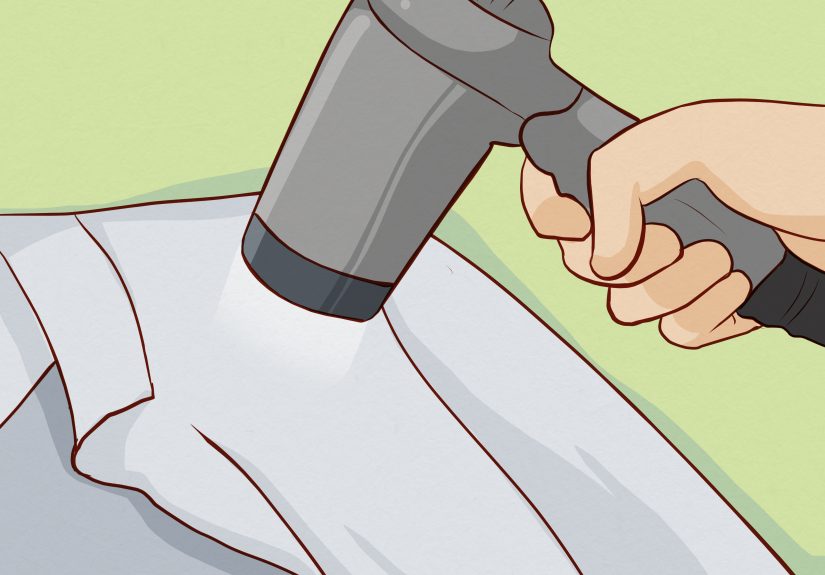
- Hair dryer method: lightly dampen the area, blow-dry from a safe distance while smoothing.
- Dryer “refresh” trick: toss in with a slightly damp cloth for a short tumble, then hang immediately.
The theme here is simple: wrinkles love pressure + time + heat/moisture. Reduce any one of those, and you reduce creasing.
Reduce two, and your clothes start acting like they’ve got manners.
Mini Cheat Sheet: Match the Fix to the Outfit
If you wear dress shirts
- Choose wrinkle-resistant cotton blends or performance fabrics.
- Steam quickly before leaving, then let the shirt cool on a hanger.
- Unbutton and smooth the placket area after long drives or seated meetings.
If you wear trousers for work
- Ponte, wool blends, and stretch crepe tend to crease less than crisp cotton trousers.
- Avoid overstuffed front pockets.
- Stand occasionally and reset the lap fabric so creases don’t “set.”
If you travel a lot
- Build a travel wardrobe around knits and blends that recover well.
- Hang clothes as soon as you arriveeven if it’s just on the bathroom door.
- Pack a small wrinkle-release spray and treat it like your carry-on MVP.
of Real-Life Experience: My Ongoing Feud With Wrinkles
I used to think “wrinkles during wear” meant I needed a better iron. Plot twist: I needed better strategy. My first adult job involved a daily commute, a desk chair with the upholstery texture of sandpaper, and a wardrobe full of optimistic cotton shirts that looked crisp for exactly the length of time it took me to blink.
The worst offender was a pair of slim-fit chinos that fit great while standingthen immediately turned into an origami project the second I sat down. By 10 a.m., my lap looked like I’d been sleeping in a hammock. I tried everything except the things that actually work: fabric choice, baseline smoothness, and wear-time habits.
The first real upgrade was switching to pants with a little stretch and a fabric with more “bounce.” Ponte-knit work pants felt like cheating. Not “sweatpants pretending to be trousers” (though that exists and I respect it); more like “professional pants that don’t panic when you bend your knees.” On travel days, I leaned into darker colors and subtle texture. Tiny wrinkles still happened, but they stopped screaming for attention.
The second upgrade was laundry timingspecifically, not letting clothes sit damp in a pile while I scrolled “just for a minute.” That “minute” is how wrinkles get their citizenship. Now I shake items out, dry in reasonable loads, and hang anything important right away. I also learned the magic of letting clothes cool on a hanger after steaming. If you put a warm, freshly steamed shirt on immediately and then buckle a seatbelt, congratulations: you just heat-pressed a crease into your own outfit.
The third upgrade was what I call the “chair tax.” If I’m about to sit for a long stretchdriving, meetings, flightsI do a quick smooth-down at the lap. It’s subtle, takes two seconds, and prevents the deep folds that set over time. I also stopped carrying my entire life in my pockets. Once I moved the wallet/keys/phone stack into a bag, a surprising number of wrinkles disappeared. (Who knew my wallet was a tiny, expensive wrinkle factory?)
And for emergencies? Wrinkle-release spray. Not as a lifestylejust as a rescue. A light mist, a gentle tug, and a few minutes of air drying can save a presentation, a dinner, or a last-minute photo where you’d prefer not to look like you were folded for shipping. My current goal isn’t “never wrinkle.” It’s “wrinkle so mildly that nobody writes a concerned email.”
Conclusion
Clothes creasing during wear is normalbut deep, messy wrinkling doesn’t have to be your daily storyline. If you remember nothing else, remember this:
choose fabrics that recover, prep clothes so wrinkles don’t set, and use small wear-time habits to stop creases from forming.
With the right materials, a smoother baseline, and a couple of quick “reset” moves, you can sit, move, commute, and live your lifewithout looking like you were stored in a drawer with a grudge.