Table of Contents >> Show >> Hide
- Why Bookshelf Styling Matters
- 19 Effortless Ways to Style Your Bookshelves
- 1. Start With a Full Shelf Reset
- 2. Put Your Biggest Books on the Lower Shelves
- 3. Mix Vertical and Horizontal Book Stacks
- 4. Use the Rule of Three
- 5. Leave Breathing Room
- 6. Create a Simple Color Story
- 7. Try Color-Coding Your Books
- 8. Add Art Behind or In Front of Books
- 9. Incorporate Plants or Greenery
- 10. Use Baskets for Hidden Storage
- 11. Add Sculptural Objects
- 12. Use Bookends That Double as Decor
- 13. Layer Textures for a Collected Look
- 14. Repeat Materials Across the Bookcase
- 15. Make Room for Personal Objects
- 16. Style With Lighting
- 17. Paint or Wallpaper the Back of the Shelves
- 18. Create a Focal Point on Each Shelf
- 19. Step Back, Edit, and Adjust
- Bookshelf Styling Ideas by Room
- Common Bookshelf Styling Mistakes to Avoid
- My Experience Styling Bookshelves: What Actually Works in Real Life
- Conclusion
Bookshelves are sneaky little overachievers. One minute they are simply holding your books; the next, they are setting the tone for your entire living room, home office, hallway, bedroom, or that awkward corner you keep pretending is “minimalist.” A well-styled bookshelf can make a space feel warmer, smarter, more personal, and beautifully finishedwithout requiring a renovation, a contractor, or a dramatic home makeover montage.
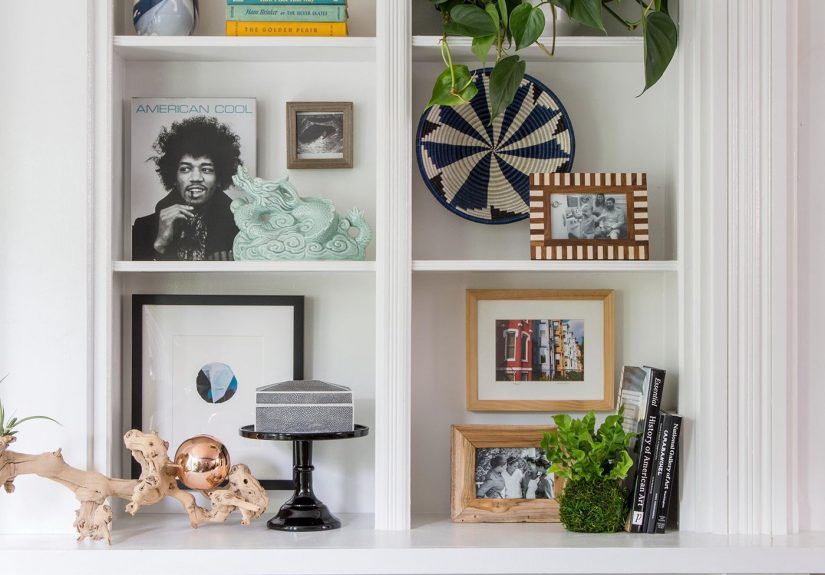
The good news? You do not need to be an interior designer to create shelves that look intentional. The best bookshelf styling ideas are often simple: mix books with meaningful objects, vary heights, leave breathing room, repeat a few colors, and resist the urge to display every candle, vase, souvenir, and mysterious ceramic bird you have ever owned.
Whether you love a cozy “bookshelf wealth” look, a clean modern bookcase, a colorful shelfie, or a collected library vibe, these 19 effortless ways to style your bookshelves will help you turn ordinary shelves into a polished focal point that still feels like you live there.
Why Bookshelf Styling Matters
A bookshelf is more than storage. It is a visual biography. Your books, framed photos, pottery, plants, baskets, and keepsakes tell people what you love before you even offer them coffee. When styled well, shelves can add height, texture, color, rhythm, and personality to a room. When styled poorly, they can become a clutter convention with hardcover books as guest speakers.
The secret is balance. Books should still feel like the star, but decorative accents help create movement and charm. Empty space matters too. Without it, even beautiful objects start looking like they are waiting in line at the DMV.
19 Effortless Ways to Style Your Bookshelves
1. Start With a Full Shelf Reset
Before styling anything, take everything off your shelves. Yes, everything. It may feel dramatic, but this step helps you see the bookcase as a blank canvas instead of a storage unit with commitment issues. Dust the shelves, sort your books, and decide what deserves to return.
Create three groups: books, decorative items, and practical storage. Remove anything that feels random, broken, outdated, or visually noisy. A clean reset makes every styling decision easier.
2. Put Your Biggest Books on the Lower Shelves
Large coffee-table books, heavy hardcovers, and oversized art books usually look best on lower shelves. They visually ground the bookcase and keep the display from feeling top-heavy. Think of the bottom shelves as the sturdy shoes of your bookshelf outfit.
Use smaller paperbacks, novels, and decorative objects higher up. This creates a natural sense of proportion and makes the whole arrangement feel balanced.
3. Mix Vertical and Horizontal Book Stacks
Rows of vertical books are practical, but too many can look stiff. Break up the lines by stacking some books horizontally. A horizontal stack can act like a small pedestal for a bowl, candle, framed photo, or sculptural object.
This trick instantly gives your shelves a designer-style rhythm. Try placing one horizontal stack on the left side of a shelf and a vertical grouping on the right, then switch the arrangement on the next shelf to avoid repetition.
4. Use the Rule of Three
The rule of three is one of the easiest bookshelf styling tips to master. Group objects in threes because odd-numbered arrangements tend to feel more natural and dynamic than perfectly even pairings.
For example, pair a small vase, a framed photo, and a stack of books. Or group a candle, a plant, and a ceramic bowl. The key is variation. Choose three objects with different heights, shapes, or textures so the display feels collected rather than matchy-matchy.
5. Leave Breathing Room
Not every inch of shelf space needs to be filled. In fact, one of the fastest ways to make bookshelves look expensive is to give your favorite pieces room to breathe. Open space allows the eye to pause and appreciate what is displayed.
If your shelves look chaotic, remove 20 percent of the objects and step back. Most people are shocked by how much better their bookcase looks after a small edit. Styling is often less about adding and more about politely asking clutter to leave.
6. Create a Simple Color Story
A color story helps your shelves feel intentional. You do not need every book spine to match, but repeating two or three colors across the shelves can create harmony. For example, you might use warm neutrals, black accents, and touches of brass. Or you might repeat blue, white, and natural wood tones.
If your book collection is very colorful, balance it with quieter decor. If your books are mostly neutral, add personality with a bold vase, framed artwork, or colorful bookends.
7. Try Color-Coding Your Books
Color-coded bookshelves are not for everyone, but they can be stunning when done well. Arranging books by color creates a graphic, organized look and works especially well in modern, playful, or family-friendly spaces.
You can go full rainbow, create color blocks, or group similar tones together. If you prefer function over aesthetics, organize only a small section by color and keep the rest sorted by topic or author. Beauty is nice, but finding your favorite novel without launching a search party is also important.
8. Add Art Behind or In Front of Books
Small artwork can make a bookshelf feel layered and personal. Lean a framed print against the back of a shelf, place a tiny painting in front of books, or hang a small piece inside a built-in bookcase if the shelf depth allows.
Art breaks up the grid-like structure of shelves and adds depth. It also gives you a chance to introduce color, mood, or humor. A little landscape, abstract print, vintage portrait, or black-and-white photograph can make the whole shelf feel more curated.
9. Incorporate Plants or Greenery
Plants soften the hard lines of books and shelving. A trailing pothos, compact fern, small snake plant, or faux greenery can bring life to your bookcase. If your shelves do not get much light, choose low-light plants or high-quality artificial stems.
Place greenery near books, baskets, or ceramics for a natural layered look. Just avoid watering plants directly over rare books unless you enjoy plot twists with water damage.
10. Use Baskets for Hidden Storage
Baskets are the quiet heroes of bookshelf decor. They hide cords, remotes, chargers, craft supplies, toys, pet accessories, and all the little things that somehow multiply when you are not looking.
Place larger baskets on lower shelves for visual weight and easy access. Choose woven, fabric, or lidded baskets that match your room’s style. This keeps your bookshelf beautiful and useful, which is the decorating equivalent of having snacks and good lighting.
11. Add Sculptural Objects
Sculptural objects give bookshelves dimension. Look for pieces with interesting shapes: a carved wood figure, stone sphere, ceramic knot, glass object, vintage brass animal, or handmade pottery. These accents help interrupt straight book lines and make shelves feel more artistic.
You do not need many. One strong sculptural piece per shelf section can be enough. Let it stand alone or pair it with books and a smaller accent.
12. Use Bookends That Double as Decor
Bookends are both practical and stylish. Choose stone, marble, brass, wood, acrylic, or ceramic bookends that support your books while adding texture. They are especially helpful when you want to display a small group of books without filling the entire shelf.
Decorative bookends also create a polished finish. They say, “These books are intentionally placed,” not “These books gave up halfway through standing.”
13. Layer Textures for a Collected Look
Texture is what keeps bookshelf styling from looking flat. Mix smooth ceramics, rough baskets, glossy glass, aged books, metal accents, framed art, natural wood, and woven pieces. The contrast makes the display feel richer.
If your shelves look too plain, texture is usually the missing ingredient. Add a woven box, a stone object, a matte vase, or a linen-covered book. Suddenly, the shelf has depth instead of looking like a very organized waiting room.
14. Repeat Materials Across the Bookcase
Repetition creates unity. If you use brass on one shelf, repeat it somewhere else. If you add black frames, echo black in a small vase or book spine. If you use woven baskets, repeat natural textures on another shelf.
This does not mean everything must match. The goal is connection. Repeated materials help the eye travel around the bookcase and make the styling feel planned, even if you assembled it while drinking iced coffee and pretending not to overthink it.
15. Make Room for Personal Objects
The best bookshelves do not look like a showroom. They look lived-in. Add pieces that tell your story: a travel souvenir, family photo, inherited vase, small collection, framed postcard, handmade bowl, or object from a favorite local shop.
Personal items make shelves warmer and more memorable. Just choose carefully. A few meaningful objects feel charming; too many can make your bookcase look like it is hosting a yard sale with emotional backstories.
16. Style With Lighting
Lighting can transform bookshelves from background furniture into a design feature. Try a small cordless lamp on a shelf, picture lights above built-ins, LED strips, or soft accent lighting inside deeper bookcases.
Warm lighting works especially well because it creates a cozy library mood. It also highlights texture, book spines, art, and special objects. Basically, lighting is the flattering filter your bookshelf has been waiting for.
17. Paint or Wallpaper the Back of the Shelves
If your bookshelf feels dull, change the background. Painting the back panel a contrasting color adds depth and drama. Wallpaper, peel-and-stick paper, or grasscloth can add pattern and texture without taking over the room.
Dark backgrounds make books and objects pop. Light backgrounds keep shelves airy. Patterned backs work best when the rest of the styling is simple, so your shelves do not start visually tap dancing.
18. Create a Focal Point on Each Shelf
Every shelf should have a star. It might be a large vase, framed artwork, a stack of beautiful books, or a sculptural object. Once you choose the focal point, style smaller items around it.
This keeps shelves from feeling scattered. Instead of several objects competing for attention, each shelf has a clear visual anchor. Your bookcase will look calmer, smarter, and less like it was decorated during a power outage.
19. Step Back, Edit, and Adjust
Bookshelf styling is not a one-and-done task. After arranging your shelves, step back and look at the whole bookcase. Are colors balanced? Are all the heavy items on one side? Is there enough empty space? Does one shelf look crowded while another looks forgotten?
Move objects around until the shelves feel balanced from top to bottom and side to side. Take a photo with your phone; photos make awkward gaps and clutter easier to spot. Then edit again. The final magic often happens in the last five minutes.
Bookshelf Styling Ideas by Room
Living Room Bookshelves
Living room bookshelves should feel welcoming and polished. Mix books with family photos, art, pottery, baskets, and greenery. If your shelves frame a fireplace or television, keep both sides visually balanced without making them identical twins.
Home Office Bookshelves
In a home office, style shelves with a blend of beauty and productivity. Use boxes for documents, bookends for reference books, and a few personal items to keep the space from feeling too corporate. A small lamp or framed print can make the office feel less like a tax appointment.
Bedroom Bookshelves
Bedroom shelves should feel calm. Choose softer colors, fewer objects, and cozy textures. Stack favorite novels, add a small plant, include a candle, and use baskets to hide anything that interrupts the peaceful mood.
Kids’ Bookshelves
For children’s rooms, keep styling simple and accessible. Display colorful books face-out, use bins for toys, and rotate favorite titles. The goal is not perfection. The goal is a cheerful shelf that encourages reading and can survive real life.
Common Bookshelf Styling Mistakes to Avoid
Overcrowding Every Shelf
Too many objects make shelves feel stressful. Edit ruthlessly and leave space between groupings. A few well-chosen pieces always look better than a crowded lineup of almost-right accessories.
Using Decor That Is Too Small
Tiny objects can disappear on shelves, especially large built-ins. Mix in medium and large pieces so the display has presence. Small accents work best when grouped or placed on a stack of books.
Forgetting Practical Storage
A beautiful bookshelf should still support daily life. Use baskets, boxes, trays, and closed containers for items you need but do not want on display. Stylish storage is how grown-up homes hide chaos with dignity.
Ignoring the Rest of the Room
Your bookshelves should connect with the room around them. Repeat colors, materials, and textures from nearby furniture, rugs, curtains, or artwork. This makes the shelves feel integrated rather than randomly fabulous.
My Experience Styling Bookshelves: What Actually Works in Real Life
After styling many bookshelves in everyday homesnot just those impossibly perfect rooms where nobody owns phone chargersI have learned that the best shelves usually come from patience, editing, and a willingness to move the same vase twelve times. Bookshelf styling looks effortless when finished, but the process is often a little trial-and-error. That is normal. In fact, it is part of the fun.
One of the most useful lessons is to begin with books, not accessories. Books create the structure. When I start with decorative objects first, the shelves often look pretty but slightly empty, like a hotel lobby trying to prove it reads. Once books are placed vertically and horizontally, the rest becomes easier. The stacks create platforms, the rows create rhythm, and the gaps show where art, plants, or bowls should go.
I have also found that personal objects matter more than expensive ones. A thrift-store vase, a framed family snapshot, a shell from a beach trip, or a slightly imperfect handmade bowl can make a shelf feel warmer than a brand-new accessory purchased only because it matched the curtains. The trick is choosing personal pieces with intention. If every object has sentimental value, the shelf can become visually crowded. If only a few special pieces are featured, they feel important.
Another real-life tip: style shelves for how you actually live. If you have kids, pets, or a busy household, place fragile items higher and use lower shelves for baskets, sturdy books, or closed storage. If you constantly reach for cookbooks, office files, or children’s stories, do not bury them behind decorative objects. A shelf that looks beautiful but annoys you every day is not well styled; it is just photogenic trouble.
Lighting has also made a bigger difference than I expected. A small cordless lamp tucked into a bookcase can make an entire corner feel cozy. Warm light softens book spines, highlights texture, and gives the room that “I casually live in a boutique library” feeling. Even simple picture lights above built-ins can make shelves look more custom and finished.
The final step is always editing. I like to style everything, walk away, and come back later. Fresh eyes reveal what is too crowded, too symmetrical, too colorful, or too random. Sometimes removing one object solves the whole shelf. Sometimes a plant needs to move down two shelves. Sometimes the answer is admitting that the tiny souvenir mug does not need a starring role in the living room. Harsh? Maybe. Effective? Absolutely.
In the end, effortless bookshelf styling is not about perfection. It is about creating shelves that feel balanced, useful, and personal. Your bookcase should hold books you love, objects that mean something, and enough open space to let everything shine. When shelves tell your story without shouting, you have styled them well.
Conclusion
Styling your bookshelves does not require a designer budget or a complete home makeover. With a few smart movesmixing vertical and horizontal books, adding art, using baskets, repeating colors, layering textures, and leaving breathing roomyou can create shelves that look polished, personal, and effortlessly inviting.
The best bookcase decor feels collected over time, not purchased in one frantic afternoon. Start with what you own, edit what you do not love, and give your favorite books and objects the space they deserve. Whether your style is colorful, minimalist, cozy, traditional, or somewhere between “classic library” and “I found this vase at a flea market and now it is my personality,” your bookshelves can become one of the most charming features in your home.