Table of Contents >> Show >> Hide
- Why Indoor Vegetable Gardening Works So Well
- What Indoor Vegetables Need Before They Move In
- The 13 Best Vegetables to Grow Indoors
- Tips for Getting Better Harvests Indoors
- Which Indoor Vegetables Are Best for Beginners?
- Final Thoughts
- What Growing Indoors Actually Feels Like: Real-World Lessons From the Windowsill
If your outdoor garden is the size of a postage stamp, your balcony is basically decorative, or winter has turned your backyard into a dramatic mud opera, good news: you can still grow food indoors. In fact, a surprisingly long list of vegetables is perfectly happy to live on a bright windowsill, under grow lights, or in a cozy corner that gets treated better than most houseguests.
The secret to a thriving indoor vegetable garden is not magic. It is choosing the right crops. Some vegetables are natural apartment dwellers. They stay compact, grow quickly, tolerate containers, and do not throw a fit when they are not living in a giant raised bed. Others, frankly, act like they were born for the spotlight and demand more light, deeper pots, and a little extra pampering. Knowing which is which can save you time, money, and one very emotional conversation with a sad tomato plant.
Below, you will find the best vegetables for growing indoors, along with practical tips on what makes each one a smart choice. Whether you want fast salad greens, crunchy roots, or a few show-off vegetables that make you feel like the CEO of your own tiny produce empire, this guide has you covered.
Why Indoor Vegetable Gardening Works So Well
Growing vegetables indoors is not just a backup plan for people without outdoor space. It is a smart, flexible way to harvest fresh food year-round. Indoors, you control the environment more than you do outside. Rain does not flatten your seedlings, rabbits do not raid your lettuce bar, and weeds do not pop up like uninvited party guests.
That said, indoor gardening works best when you match the crop to the conditions. Leafy greens are the easiest because they grow fast, stay relatively small, and do not need to flower or fruit before harvest. Root vegetables can also do well if you choose compact varieties and use the right container depth. Fruiting vegetables such as tomatoes and peppers are possible indoors too, but they need stronger light, more room, and a little more patience.
What Indoor Vegetables Need Before They Move In
Light
The biggest challenge indoors is light. A bright south-facing window can help, but many vegetables grow better with supplemental lighting. If your home has more “moody cafe lighting” than “productive greenhouse vibes,” a grow light will make a huge difference.
Containers
Use pots with drainage holes, because vegetables enjoy moisture but do not want their roots sitting in a swamp. Shallow-rooted crops like greens can live in smaller containers, while root vegetables and fruiting crops need deeper homes. Think of it as real estate with roots: lettuce is happy in a studio apartment, but tomatoes want a suburban upgrade.
Soil and Water
Use a quality potting mix, not soil scooped from the yard. Potting mix drains better, stays lighter, and reduces the risk of indoor messes and pests. Keep the soil evenly moist, but not soggy. Overwatering is one of the fastest ways to turn a promising indoor garden into a science experiment.
Temperature and Airflow
Most indoor vegetables like typical room temperatures, especially cool-season greens. Good airflow helps prevent fungal problems, so avoid cramming pots together like commuters on a packed train. A small fan on a gentle setting can help strengthen stems and reduce stagnant air.
The 13 Best Vegetables to Grow Indoors
1. Lettuce
Lettuce is the indoor gardening overachiever. It germinates quickly, grows fast, and does not need a deep container. Loose-leaf varieties are especially great because you can harvest outer leaves as needed and let the plant keep going. That means your salad supply can become a “cut and come again” situation instead of a one-time harvest.
For the easiest success, choose leaf lettuce over large heading types. Keep it in bright light and slightly cooler room temperatures. If lettuce gets too hot, it can bolt and turn bitter, which is not the personality shift anyone asked for.
2. Spinach
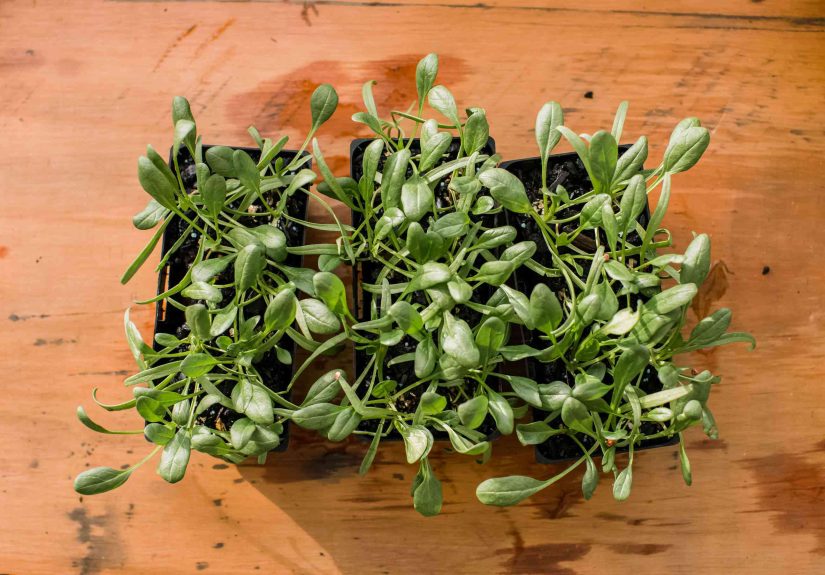
Spinach is another excellent indoor vegetable, especially if you have a cool room and decent light. It grows best when temperatures stay on the mild side, and it rewards you with tender leaves that work in salads, smoothies, omelets, and just about any meal that could use a tiny nutritional pep talk.
Because spinach has a relatively shallow root system, it does not need an extra-deep container. Keep the soil consistently moist and harvest the outer leaves first. If your indoor space runs warm, place spinach near the brightest and coolest spot you have.
3. Kale
Kale is sturdy, productive, and much less dramatic than its trendy reputation suggests. Indoors, dwarf or compact kale varieties work especially well. The leaves can be harvested young for salads or allowed to mature for cooking. Either way, kale earns its keep.
What makes kale such a strong choice for indoor gardening is its tolerance for cooler temperatures and repeated harvesting. Snip a few outer leaves at a time and the plant keeps producing. It is basically the gift that keeps on giving, minus the wrapping paper.
4. Swiss Chard
Swiss chard deserves more indoor gardening fame than it gets. It is colorful, productive, and easier to grow than many gardeners realize. The leaves are tender when young, and the stems bring a bright pop of color that makes your indoor garden look intentional and stylish, not like a random produce experiment.
Chard can handle repeated harvests, and it grows well in containers as long as the soil stays evenly moist. If you want a vegetable that is useful in the kitchen and a little bit flashy on the shelf, Swiss chard is a winner.
5. Bok Choy
Bok choy is compact, quick, and ideal for indoor gardeners who want something beyond the usual salad greens. Baby bok choy varieties are especially well suited to containers and small-space growing. The crisp stems and tender leaves are great in stir-fries, soups, and noodle dishes.
This vegetable prefers cool conditions and consistent moisture. It grows faster than many people expect, which makes it satisfying for beginners. If patience is not your strongest trait, bok choy may be your kind of vegetable.
6. Arugula
Arugula is the spicy friend of the salad world. It grows quickly, stays compact, and can even do well on a bright windowsill. If you love peppery greens, this is one of the easiest indoor vegetables to keep in rotation.
Because arugula matures fast, it is a great option for gardeners who want quick results. Sow a small batch every couple of weeks for a steady harvest. That way, your indoor garden keeps producing instead of giving you one glorious week of salad and then emotional silence.
7. Radishes
Radishes are one of the most satisfying vegetables to grow indoors because they are fast. Very fast. If you are the kind of person who checks pots daily and whispers, “Are we doing anything yet?” radishes are here for you. Many varieties mature in just a few weeks.
They do best in loose soil and containers deep enough for proper root development. Smaller, round radish varieties are especially good for indoor growing. You can also harvest the greens, which is a nice bonus if you enjoy reducing waste and feeling clever.
8. Baby Carrots
Carrots can absolutely be grown indoors if you choose short or round varieties and give them a deep enough container. Think baby carrots, Nantes types, or other compact cultivars rather than long, dramatic roots that seem to think they are auditioning for a farming documentary.
The key is loose potting mix and steady moisture during germination. Carrot seeds can take a little while to sprout, so patience matters here. Once they are growing, though, they are fun, neat, and surprisingly practical for indoor gardeners.
9. Green Onions
Green onions are practically the gateway vegetable for indoor growing. You can start them from seed, grow scallions in containers, or even regrow the root ends from kitchen scraps in water before moving them into potting mix. They grow quickly, take up very little space, and add instant flavor to everything from eggs to ramen.
If you are new to indoor gardening, green onions offer a low-stress way to build confidence. They are forgiving, useful, and very satisfying to snip right before dinner. Few vegetables make you feel more efficient for so little effort.
10. Bush Beans
Bush beans are a smart indoor choice if you want something a bit more substantial than greens but easier than a giant vining crop. Compact bush varieties stay manageable in containers and produce a rewarding harvest without demanding a huge setup.
These plants need good light and consistent watering, especially once they start flowering. Since they are more productive when kept regularly picked, harvest often. Think of it as encouraging the plant to keep the fresh beans coming, like applause for a very edible performance.
11. Peas
Dwarf peas can work beautifully indoors, particularly in cool rooms with strong light. They grow upward rather than outward, so they are a great use of vertical space. A small trellis, a few stakes, or even some string can keep them supported.
Peas are charming plants with delicate tendrils and sweet harvests, but they do not love hot indoor conditions. If your home runs warm, place them near the coolest bright spot you can manage. Choose compact varieties and enjoy the fact that your indoor garden suddenly looks a little more storybook.
12. Cherry Tomatoes
Yes, you can grow tomatoes indoors. No, it is not always the easiest project in the room. But if you choose compact or dwarf cherry tomato varieties, use a deep container, provide plenty of strong light, and gently shake the flowers to help with pollination, you can absolutely pull it off.
Cherry tomatoes are usually a better indoor bet than large slicing tomatoes because they mature faster and the plants stay more manageable. They are the diva crop on this list, but when they succeed, they really put on a show.
13. Peppers
Peppers, especially compact hot peppers or mini sweet peppers, can thrive indoors with the right setup. Like tomatoes, they need lots of light and a roomy container. In return, they bring color, flavor, and a little bragging rights to your indoor garden.
Peppers also appreciate warmth, so they are often a better match for cozy homes than peas or spinach. If you have a sunny window plus a grow light, they can become one of the most rewarding vegetables in your indoor collection.
Tips for Getting Better Harvests Indoors
Choose compact varieties
Look for words like dwarf, bush, baby, or container-friendly on seed packets. These varieties are bred for smaller spaces and usually behave better indoors.
Succession plant
Instead of planting everything at once, sow small batches every week or two. This works especially well for lettuce, spinach, arugula, and radishes. You will get a steadier harvest and avoid the classic indoor gardening problem of “I have twelve pounds of lettuce today and absolutely none next Tuesday.”
Rotate pots
If you are using natural light, rotate containers every few days so plants grow evenly instead of leaning dramatically toward the window like they are trying to hear gossip from outside.
Feed lightly but consistently
Container-grown vegetables use up nutrients faster than plants in the ground. A diluted liquid fertilizer or a balanced feeding schedule can help keep growth steady, especially for long-term crops like kale, tomatoes, peppers, and chard.
Watch for pests early
Indoor gardens are not immune to trouble. Fungus gnats, aphids, and spider mites can still show up. Check leaves regularly, avoid overwatering, and isolate new plants if needed. It is much easier to handle a small issue than a full-blown bug convention.
Which Indoor Vegetables Are Best for Beginners?
If you are just starting out, begin with lettuce, green onions, arugula, radishes, and spinach. These crops are fast, forgiving, and productive in smaller containers. Once you get comfortable with watering, light placement, and basic maintenance, move on to kale, chard, bok choy, and compact root vegetables.
Tomatoes and peppers are absolutely worth trying, but they are best treated as your “level up” vegetables. They need more attention, stronger lighting, and more space. Start simple, build confidence, and let your indoor gardening skills grow right alongside your vegetables.
Final Thoughts
The best vegetables for growing indoors are not necessarily the biggest or flashiest ones. They are the crops that match your space, your light, and your patience level. A tray of lettuce by the window can be more productive than a giant tomato plant struggling in a dim corner. Smart choices beat ambitious chaos every time.
Start with a few reliable vegetables, pay attention to what your space can realistically support, and enjoy the process. Indoor gardening does not have to be perfect to be rewarding. Even a small harvest feels oddly luxurious when you grew it yourself three feet from the coffee maker.
What Growing Indoors Actually Feels Like: Real-World Lessons From the Windowsill
If you spend enough time growing vegetables indoors, you learn very quickly that plants are excellent teachers and terrible roommates. They do not pay rent, they insist on premium lighting, and they absolutely notice when you forget to water them. Still, they are worth every bit of effort.
One of the first things many indoor gardeners experience is the shock of how different vegetables behave in the same room. Lettuce may look cheerful and cooperative in one pot, while a nearby tomato seedling stretches dramatically toward the light like it is filming a rescue scene. This is usually the moment when you realize that “bright room” and “enough light for vegetables” are not always the same thing. A grow light often changes everything. Plants become sturdier, leaves deepen in color, and suddenly your indoor garden looks less like a hopeful experiment and more like a plan.
Another common lesson is that smaller harvests can feel more exciting than giant outdoor ones. Snipping fresh green onions over soup, pulling a handful of arugula for lunch, or harvesting baby radishes from a pot on the shelf has a weirdly satisfying effect. It feels efficient, cozy, and just a little triumphant. You start to understand why people get obsessed with indoor growing setups and begin using phrases like “microclimate” in casual conversation.
Indoor gardening also teaches patience in a very specific way. Fast growers like radishes and lettuce make you feel brilliant almost immediately. Carrots, on the other hand, will test your character. They take longer, germinate more slowly, and generally behave like they know they are adorable and can get away with it. The trick is learning to appreciate different timelines. Not every plant is trying to be a same-week success story.
You also learn that maintenance matters more indoors than people expect. Because containers dry out faster, small changes show up quickly. Miss a watering and greens may droop. Water too much and fungus gnats might RSVP to the party. Skip rotating pots and plants lean so hard toward the light that they start looking judgmental. But once you settle into a rhythm, the routine becomes part of the charm. A quick morning check, a little watering, a few leaves harvested for lunch, and suddenly the whole project feels grounding instead of complicated.
Perhaps the best part of growing vegetables indoors is that it changes how you think about space. A windowsill becomes useful. An unused shelf becomes productive. A corner with a lamp becomes a miniature food garden. That shift is exciting because it reminds you that gardening is not limited to backyards and big raised beds. It can happen in apartments, kitchens, dorm-style spaces, and ordinary homes with ordinary light plus a little creativity.
In the end, indoor vegetable gardening is not about producing all your groceries. It is about freshness, learning, and the small pleasure of harvesting something you grew yourself in the middle of everyday life. And honestly, that is a pretty great deal for a few pots, some seeds, and a windowsill with ambition.