Table of Contents >> Show >> Hide
- Meet the Unsung Hero of Your Backyard
- Natural Pest Control: Opossums as Live-In Exterminators
- Opossums and Ticks: Myth, Reality, and Your Health
- Snake Control and Venom Resistance
- Low Rabies Risk: Clearing Up a Major Misconception
- The Cleanup Crew: Carrion and Compost Duty
- Benefits of Opossums for Gardens and Landscaping
- How Opossums Benefit Human Health
- How to Make Your Yard Opossum-Friendly (Without Inviting Trouble)
- Are Opossums Dangerous?
- Real-Life Experiences with Opossum Benefits
- Conclusion: Let the Opossum Do Its Job
If you’ve ever flipped on the porch light at night and locked eyes with a gray, pointy-nosed creature “playing dead” by your trash cans, your first thought probably wasn’t, “Ah yes, my little public health assistant is here.” But maybe it should be. Opossums may not win any beauty contests, yet they quietly do a ton of work to keep your yard cleaner, your garden healthier, and your family a bit safer from certain pests and diseases.
From gobbling up ticks and slugs to shrugging off snake venom like it’s no big deal, opossums are one of North America’s most underrated neighbors. Understanding the benefits of opossums can turn that initial “yikes” into a much more accurate “thanks.” Let’s walk through how these nocturnal marsupials help your yardand your healthmore than you think.
Meet the Unsung Hero of Your Backyard
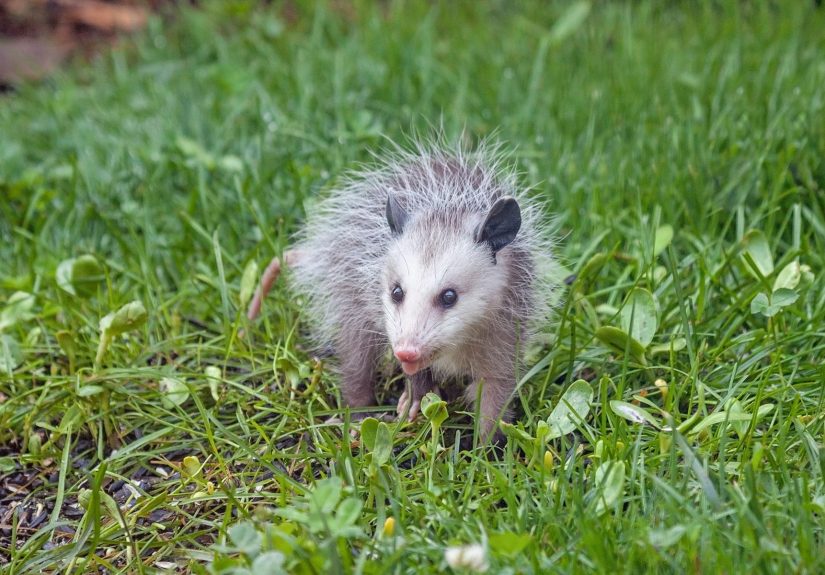
The Virginia opossum is North America’s only native marsupial. They’re about cat-sized, with a long hairless tail, beady eyes, and a mouth full of sharp teeth (which they show mostly when terrified, not when plotting your doom). They’re omnivores, opportunists, and surprisingly shy. Most of the time, they just want to wander through your yard, grab a snack, and move along.
Because they are so adaptable, opossums are common in suburbs and cities as well as in rural areas. Instead of thinking of them as “giant rats,” it’s more accurate to see them as mobile, eco-friendly cleanup crews that come standard with your property at no extra cost.
Natural Pest Control: Opossums as Live-In Exterminators
One of the biggest benefits of opossums for your yard is their appetite for pests. They eat a wide range of critters that you definitely don’t want in large numbers around your home, including:
- Cockroaches
- Rats and mice
- Slugs and snails
- Spiders
- Beetles and other insects
- Some snakes, including venomous species
Organizations like the MSPCA and various city wildlife departments note that opossums help keep neighborhoods clear of cockroaches, rats, and mice, and they’re particularly good at cleaning up snails, slugs, and overripe fruit in gardens.
In other words, the opossum rooting around under your shrubs at 2 a.m. is not vandalizing your landscaping. It’s more like a slightly awkward little employee working the night shift, reducing the number of pests that chew your plants, contaminate your food, and spread disease.
Opossums and Ticks: Myth, Reality, and Your Health
Do Opossums Really Eat Thousands of Ticks?
Opossums became internet-famous when a widely shared claim suggested each one eats thousands of ticks and could “save us from Lyme disease.” That’s… a bit of an exaggeration, but there is a real scientific story behind it.
Research from the Cary Institute and other labs found that when opossums are exposed to ticks, they groom themselves obsessively, killing and ingesting the majority of ticks that try to feed on themoften more than 90% of the ticks they encounter. Some lab estimates suggested an opossum could kill thousands of larval ticks over a season or week under high-tick conditions.
Later analyses and wildlife agencies pointed out that the “5,000 ticks a week” headline was simplified and shouldn’t be treated as a magic Lyme cure. Still, the key point stands: when ticks get on opossums, a large percentage of those ticks die instead of surviving to bite other animals or people.
What That Means for Your Yard
Ticks are a major concern because they can carry Lyme disease and other illnesses that affect humans and pets. While opossums alone won’t eliminate ticks from your yard, having them around can slightly tilt the balance in your favor. They are considered net “tick destroyers,” making them helpful allies in integrated tick-control strategies.
Think of it this way: you still need to use good tick prevention for your pets, tidy up leaf litter, and be smart about long grass. But an opossum wandering through your yard is more likely to reduce, not increase, your tick exposure risk.
Snake Control and Venom Resistance
Another surprising benefit of opossums is their relationship with snakes. Opossums are known to eat snakesincluding some venomous species such as copperheads and rattlesnakes.
Researchers have demonstrated that opossums have a remarkable resistance to the venom of many pit vipers. A classic study showed that opossums could survive doses of rattlesnake and copperhead venom that would be lethal to most other mammals. More recent work suggests they produce unique proteins that neutralize certain venom toxins.
Does that mean you’ll never see a snake if you have opossums around? No. But it does mean that opossums may help reduce encounters with venomous snakes by preying on them and competing with them for food. They’re like a tiny, nocturnal, snake-resistant security team patrolling your lawn.
Low Rabies Risk: Clearing Up a Major Misconception
One of the top fears people have about wildlife is rabies. The good news: opossums have an extremely low rate of rabies infection compared with many other mammals like raccoons or skunks. Their body temperature is lower than that of most mammals, which makes it hard for the rabies virus to thrive.
That doesn’t mean you should pet a wild opossum (tempting, I know). Any wild animal can potentially carry diseases or react defensively if cornered. But in terms of rabies risk, opossums are near the bottom of the problem list. For public health, that’s a huge plus.
The Cleanup Crew: Carrion and Compost Duty
Opossums are also important scavengers. They eat carrion (dead animals) as well as fallen, overripe fruit and spilled pet food. This helps your yard in a few ways:
- Reducing rotting carcasses that can harbor bacteria and attract flies.
- Cleaning up fruit that might otherwise draw in rodents or wasps.
- Limiting food sources that support larger pest populations.
In this sense, opossums are part of nature’s waste-management system. They quietly recycle organic matter and help keep things from getting truly gross. Their table manners aren’t pretty, but their impact is beneficial.
Benefits of Opossums for Gardens and Landscaping
Gardeners often complain about slugs and snails chewing through hostas, lettuce, and other leafy plants. Opossums love those slimy snacks. Wildlife and conservation groups highlight how opossums help gardens by eating slugs, snails, and insects that damage plants, as well as cleaning up fallen fruit under trees and vines.
Most of the time, opossums are not interested in your healthy, growing plants. They’re attracted to easy calories: things that are already damaged, overripe, or crawling with bugs. That makes them surprisingly garden-friendly compared with many other critters.
How Opossums Benefit Human Health
Putting it all together, opossums help human health in indirect but meaningful ways:
- Tick management: By killing many of the ticks that try to feed on them, opossums may help lower local tick abundance and the risk of tick-borne disease exposure in your yard.
- Rodent control: Eating rats and mice reduces disease risks linked to rodents and curbs damage to stored food, wiring, and structures.
- Snake interactions: Preying on venomous snakes and competing with them for food can reduce some unwanted snake encounters.
- Sanitation: Scavenging dead animals and spoiled fruit helps limit bacterial growth, smells, and fly populations.
Again, opossums are not a substitute for medical care, pest control professionals, or basic hygiene. But they’re a helpful part of a healthier backyard ecosystem.
How to Make Your Yard Opossum-Friendly (Without Inviting Trouble)
If you’d like to enjoy the benefits of opossums without turning your yard into an all-you-can-eat wildlife buffet, a balanced approach works best:
Things You Can Do
- Allow some natural cover. Brush piles, shrubs, and woodpiles give opossums safe routes through your yard.
- Secure garbage but don’t panic. Use tight-fitting lids so you don’t train them to raid your trash, but don’t feel the need to “evict” a passing opossum.
- Protect your pets’ food. Bring pet food indoors at night to avoid attracting too many wild visitors.
- Use humane deterrence if needed. Motion-activated lights or sprinklers can gently encourage opossums to move along if they’re hanging around too much.
When to Call for Help
Wildlife agencies and city animal services often emphasize that in most cases, you don’t need to do anything about an opossum in your yardjust leave it alone and enjoy the free pest control. However, you should contact a licensed wildlife rehabilitator, veterinarian, or local animal control if:
- The opossum appears injured (limping, bleeding, hit by a car).
- You see very small young opossums without a mother nearby.
- The animal is trapped inside your home or a building.
Professional help ensures that both you and the opossum stay safe.
Are Opossums Dangerous?
For the most part, opossums are timid. When threatened, they hiss, bare their teeth, or “play dead” rather than attack. Bites are uncommon and usually happen only if an opossum is cornered and feels it has no escape.
Basic safety rules still apply:
- Don’t handle wild opossums.
- Teach children to admire wildlife from a distance.
- Keep pets supervised, especially at night.
Follow those simple guidelines, and you can share your yard with opossums while benefiting from their behind-the-scenes pest control.
Real-Life Experiences with Opossum Benefits
The science is great, but what does living with opossums actually feel like for homeowners? Many people who learn to coexist with these animals report that their yards quietly become cleaner and calmer over time.
Fewer Slugs, Happier Garden
Imagine a small vegetable gardener in a suburban neighborhood. Every spring, they put out lettuce, hostas, and strawberriesaka the all-you-can-eat buffet for local slugs and snails. After a few seasons of chewed leaves and slimy trails, they notice something new on their backyard camera: an opossum waddling through at night, sniffing around the raised beds.
Within a year, the number of visible slugs and snails drops. The gardener still has some pest issues (this isn’t a Disney movie), but the worst of the nightly damage eases up. They didn’t change their gardening style or spray more chemicals; the main “new treatment” was a marsupial with an appetite for soft-bodied pests. This kind of real-world experience matches what conservation agencies say about opossums helping control garden pests like snails and slugs.
Unexpected Allies in Tick Country
Now picture a family living in an area where Lyme disease is common. They’re careful: they use tick preventives for the dog, do nightly tick checks, and try to keep grass trimmed. One summer, they notice opossums moving along the property edge near a woodpile.
At first, they’re nervous“Is that thing dangerous?” A bit of research later, they learn that opossums are actually pretty helpful when it comes to ticks. They don’t suddenly stop worrying about tick bites (nor should they), but they stop chasing the opossums away. Over the next seasons, they still find ticks now and then, yet they know that at least one local mammal is killing lots of ticks instead of spreading them. The opossum becomes one more piece in their layered tick-prevention strategy.
Snake Encounters and Peace of Mind
In certain regions, homeowners worry about venomous snakes in rock walls, woodpiles, and tall grasses. A property owner might see an opossum making rounds at dusk near the same areas where snakes sometimes appear. Knowing that opossums can eat snakesand that they’re naturally resistant to many snake venomscan provide a surprising sense of relief.
Does the opossum remove every snake? Of course not. But many residents feel better knowing they’ve got a local predator that discourages snakes by competing for food and occasionally turning them into dinner. In neighborhoods where kids play in the yard and pets explore every corner, even a modest reduction in snake activity is welcome.
Shifting from Fear to Appreciation
Over and over, people who start out fearful of opossums end up becoming quiet fans. One neighbor might begin by banging on the window whenever they see the animal by the compost pile. Months later, after learning that opossums rarely carry rabies and that they’re eating rodents, ticks, and rotting fruit, that same neighbor may find themselves saying, “Oh good, the possum’s back,” while they watch from the kitchen.
Some homeowners even give “their” opossums nicknames and keep a respectful distance, letting them go about their night shift. They report fewer rodent sightings, less fruit rot under trees, and a little extra peace of mind about ticks and snakes. Most importantly, their mindset shifts from “nuisance” to “natural coworker” in keeping the yard healthy.
These everyday stories match what wildlife organizations and researchers have been saying for years: opossums are not villains in your yard. They’re overlooked partners in pest control, sanitation, and ecological balance. Once you understand their benefitsand give them a chance to do their jobit’s hard not to root for the scruffy little marsupial helping out in the dark.
Conclusion: Let the Opossum Do Its Job
Opossums may look a bit eccentric, but they bring real benefits to your yard and health. They help manage pests like ticks, rodents, slugs, and snakes; clean up carrion and spoiled fruit; and do it all with a surprisingly low risk of spreading rabies.
They’re not miracle workers, and they don’t replace good yard hygiene, pet care, or medical advice. But when you see that familiar gray silhouette under the porch light, it’s worth remembering: this is a hardworking neighbor, not an enemy.
If you care about a healthier, more balanced backyard ecosystem, one of the simplest steps you can take is also the easiestdo nothing. Let the opossum pass through, maybe feel a little grateful, and let nature’s oddest-looking employee keep your yard a bit safer and cleaner while you sleep.
SEO JSON