Table of Contents >> Show >> Hide
- Before You Hang: Plan the Garland Like a Pro
- Way 1: Hang a Garland Outside With Outdoor Adhesive Hooks
- Way 2: Hang a Garland Outside With Clips, Zip Ties, or Floral Wire
- Way 3: Hang a Garland Outside With Screw Hooks, Nails, or a Garland Hanger
- How to Make Outdoor Garland Look Fuller and More Expensive
- Safety Tips for Hanging Garland Outside
- Which Garland Hanging Method Should You Choose?
- Extra Experience: Real-World Lessons From Hanging Garland Outside
- Conclusion
Hanging a garland outside sounds simple until you are standing on the porch with one arm full of greenery, one pocket full of zip ties, and the sudden realization that gravity has a personal grudge against holiday decorating. The good news? You do not need to drill holes in every inch of your trim or wage war against your brick wall to make your entryway look festive, polished, and photo-ready.
Whether you are decorating for Christmas, fall, a wedding, a birthday party, or simply because your porch deserves a little drama, the best way to hang a garland outside depends on three things: the surface you are attaching it to, the weight of the garland, and how long you want it to stay up. A light faux eucalyptus garland on a covered porch needs a very different approach than a thick evergreen garland wrapped with lights, pinecones, ribbon, and enough ornaments to make your front door question its life choices.
This guide breaks down 3 ways to hang a garland outside: using outdoor adhesive hooks, using clips and ties, and using screw hooks or nails for heavier displays. Each method includes practical steps, surface-specific advice, safety reminders, and a few decorating tricks to help your garland look intentional instead of “I wrestled a plastic pine snake and lost.”
Before You Hang: Plan the Garland Like a Pro
Before grabbing the nearest hook, take a few minutes to plan. Outdoor garland has to deal with wind, rain, sun, cold, curious squirrels, and the occasional delivery driver who treats your porch like an obstacle course. A little preparation makes the difference between a garland that lasts all season and one that becomes lawn confetti by Tuesday.
Measure the area first
Use a tape measure to check the length around your doorframe, porch railing, fence, columns, window, mantel, gate, or arch. If you want a straight, tight look, buy a garland close to the exact measurement. If you want soft swoops or a draped look, add extra length. A good rule is to add 20% to 30% more garland than the measured space when you want loops, curves, or elegant dips.
Check the weight of the garland
Fresh cedar, fir, magnolia, and mixed evergreen garlands are beautiful, fragrant, and naturally dramatic. They are also heavier than many faux garlands, especially when damp. Faux garlands are lighter, easier to reshape, and often have wire stems that help them hold their form. If you add lights, ornaments, bows, bells, or oversized pinecones, count that extra weight before choosing your hanging method.
Choose outdoor-rated supplies
For outdoor decorating, use products designed for exterior conditions. Look for outdoor adhesive hooks, weather-resistant zip ties, floral wire, brick clips, siding clips, screw hooks, or garland hangers. Indoor hooks may not handle temperature changes or moisture well. In other words, do not ask a tiny indoor wall hook to hold a chunky outdoor garland in December wind. That is not decorating; that is a trust fall.
Clean the surface
Adhesive hooks work best on clean, dry, smooth surfaces. Wipe the area with rubbing alcohol and let it dry before applying hooks. Avoid applying adhesive to dusty brick, peeling paint, rough stucco, wet wood, or surfaces that are freezing cold. If the surface is textured or fragile, clips, ties, or screw-in hardware may be a better choice.
Way 1: Hang a Garland Outside With Outdoor Adhesive Hooks
Outdoor adhesive hooks are one of the easiest ways to hang a garland outside without drilling holes. They are especially useful for renters, temporary displays, smooth trim, glass, painted metal, vinyl, and some sealed surfaces. This method works best for lightweight to medium-weight garlands and covered or semi-covered areas.
Best for:
Use outdoor adhesive hooks for front doorframes, windows, porch trim, smooth columns, metal railings, and covered patio areas. They are ideal when you want a damage-free solution and do not want permanent hardware showing after the season ends.
Supplies you need
- Outdoor-rated adhesive hooks or light clips
- Rubbing alcohol and a clean cloth
- Tape measure
- Pencil or painter’s tape for marking
- Garland
- Optional: floral wire, twist ties, or clear zip ties
Step-by-step instructions
First, decide where the garland will start and end. If you are hanging it around a door, place one hook near the top left corner, one at the top center, and one near the top right corner. Add more hooks down the sides if the garland is long or heavy. For a fuller, more secure look, space hooks every 12 to 18 inches.
Next, clean each spot with rubbing alcohol. Let the surface dry completely. Press each outdoor hook firmly into place according to the manufacturer’s instructions. Many adhesive hooks need time to bond before they hold weight, so do not rush this part. The garland may be impatient, but the adhesive is not.
Once the hooks are ready, drape the garland over them. Start at the center if you are framing a door or window, then work outward so both sides hang evenly. If the garland has a wire core, gently shape it around the hooks. Use small pieces of floral wire or clear zip ties to secure the garland to the hooks if needed.
Pro tips for adhesive hooks
Do not overload the hooks. Check the weight rating and use multiple hooks to distribute the weight. If the garland includes lights, ornaments, or fresh greenery, add extra support points. Avoid placing adhesive hooks on rough brick, dusty concrete, heavily textured siding, or old paint that may peel when the hook is removed.
For a cleaner look, hide hooks inside the greenery. Fluff the garland around each hook, then tuck branches forward. If you are using faux garland, bend the wired stems around the hook to disguise the attachment points. The final result should look effortless, even if you spent 20 minutes whispering encouraging words to a plastic cedar branch.
Way 2: Hang a Garland Outside With Clips, Zip Ties, or Floral Wire
Clips and ties are the unsung heroes of outdoor decorating. They are simple, affordable, and surprisingly strong when used correctly. This method is perfect for porch railings, fences, columns, gutters, brick, siding, banisters, and outdoor structures where adhesive hooks may not work well.
Best for:
Use clips, zip ties, or floral wire for railings, fences, brick walls, vinyl siding, gutters, balcony rails, porch posts, and stair banisters. This is often the best method when you need a temporary, secure hold without drilling.
Supplies you need
- Weather-resistant zip ties, twist ties, or green floral wire
- Brick clips, siding clips, or gutter clips if needed
- Wire cutters or scissors
- Measuring tape
- Garland
- Optional: ribbon, bows, battery lights, or ornaments
How to hang garland on a railing
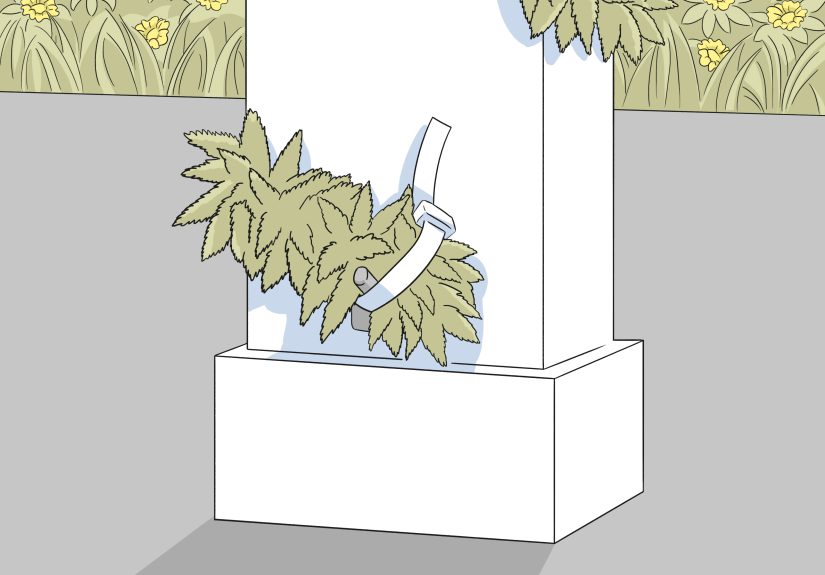
Start by laying the garland along the railing to estimate placement. Decide whether you want it straight, wrapped, or draped in soft swags. For a classic porch look, create gentle dips between posts. Secure the garland at each post with zip ties or floral wire. Then add support in the middle of each swag so the greenery does not sag too much.
If you want a wrapped look, spiral the garland around the railing and secure it every few feet. Keep the wrapping loose enough to look natural but tight enough that it will not slide. Trim the tails of zip ties after tightening, then rotate the closure points toward the back so they are not visible from the street.
How to hang garland on brick
Brick clips are a great option when you want to hang garland on a brick exterior without drilling into mortar. These clips grip the edges of individual bricks and provide a hook or anchor point for decorations. They work best when the bricks extend slightly from the mortar line, giving the clip something to hold.
Place the brick clips where you want the garland to hang, then use floral wire or zip ties to attach the garland to the clips. For a door surround, place clips along the top and sides. For a brick wall backdrop, use clips at the top and add a few support points along the garland’s length.
How to hang garland on siding or gutters
Vinyl siding clips slide under the siding edge and provide a small hook without making holes. Gutter clips can also work well for lightweight garland or garland mixed with outdoor string lights. Be careful not to overload gutters, especially if the garland is heavy or if snow and rain are expected.
For siding, space clips evenly and attach the garland with wire or small ties. For gutters, use lightweight greenery and secure it at several points. Avoid pulling hard on the gutter or hanging anything so heavy that it could bend or loosen the structure.
Pro tips for clips and ties
Choose green floral wire for greenery because it blends in beautifully. Choose clear zip ties for white railings, glass panels, or light-colored trim. Black zip ties are excellent for dark metal railings. For a softer finish, tie ribbon over visible attachment points. Congratulations, you have just turned “practical fastening hardware” into “intentional design detail.”
Way 3: Hang a Garland Outside With Screw Hooks, Nails, or a Garland Hanger
When you are hanging a heavy garland, decorating every year, or dealing with a windy outdoor area, screw hooks, nails, or a dedicated garland hanger can provide the most reliable support. This method is best for homeowners or for spaces where permanent or semi-permanent hardware is allowed.
Best for:
Use screw hooks, cup hooks, nails, or a doorway garland hanger for heavy fresh garlands, thick artificial garlands, large front door displays, porch beams, wooden trim, pergolas, arbors, fences, and covered entries. This is also a smart choice if you decorate the same spot every season.
Supplies you need
- Screw hooks, cup hooks, nails, or an adjustable garland hanger
- Drill or hammer, depending on hardware
- Measuring tape
- Pencil
- Garland
- Floral wire or zip ties
- Optional: outdoor lights and extension cord rated for outdoor use
How to use screw hooks
Mark the placement before installing anything. For a doorframe, install one hook at each upper corner and one in the center. Add hooks down the sides if you want the garland to frame the entire door. For porch beams or pergolas, space hooks evenly based on the weight and style of the garland.
Drill a small pilot hole if needed, then twist in the screw hook until it is secure. Hang the garland from the hooks and attach it with floral wire for extra stability. If the hooks match your trim or are hidden under greenery, you may be able to leave them in place year-round. Next holiday season, you can decorate faster and feel unusually organized, which is a rare and beautiful feeling.
How to use a doorway garland hanger
A doorway garland hanger is designed to fit inside or around a doorframe, often using adjustable tension. It can be a great no-drill option for front doors when adhesive hooks are not strong enough. Choose a hanger that fits your doorframe size and follow the product instructions carefully.
Once the hanger is in place, attach the garland along the frame using the included hooks or your own floral wire. Make sure the door opens and closes properly before adding extra decorations. A garland should welcome guests, not trap them outside like a festive security system.
When nails make sense
Nails can work for wooden fences, porch posts, rustic beams, or areas where small holes are acceptable. Use them carefully and avoid splitting wood. For a cleaner long-term solution, screw hooks usually look better and provide easier seasonal decorating.
How to Make Outdoor Garland Look Fuller and More Expensive
You do not need a luxury decorating budget to make outdoor garland look high-end. The secret is layering. Start with a basic garland, then add texture and volume. Tuck in extra faux greenery picks, pinecones, berries, eucalyptus stems, cedar branches, magnolia leaves, or weather-safe ornaments.
If the garland looks thin, double it. Twist two garlands together before hanging, or hang one as the base and weave another through it after it is secured. This works especially well around front doors and porch railings. For evening curb appeal, add outdoor-rated LED lights. Battery-operated lights are convenient for areas far from outlets, while plug-in lights are better for long displays.
Ribbon can also transform a simple garland. Use outdoor-friendly ribbon or wired ribbon that holds its shape. Instead of making one giant bow and calling it a day, weave ribbon loosely through the greenery. Let it tuck in and out naturally. This gives the garland movement and makes it look designed rather than assembled during a caffeine emergency.
Safety Tips for Hanging Garland Outside
Outdoor decorating is fun, but safety should come before sparkle. Use a sturdy ladder on level ground, and avoid stretching too far to one side. Move the ladder instead. Yes, it is annoying. No, your heroic sideways reach is not worth it.
If your garland includes lights, use lights rated for outdoor use. Check cords for damage before plugging them in. Keep electrical connections away from standing water, and use outdoor-rated extension cords when needed. Do not overload outlets, and avoid running cords where people can trip.
Secure loose ends so wind cannot whip the garland around. This is especially important on porch columns, balcony rails, and open fences. If you live in a windy area, add extra ties at the ends and in the center. For fresh greenery, remember that it can dry out over time, so keep it away from open flames, heaters, and hot bulbs.
Which Garland Hanging Method Should You Choose?
Choose outdoor adhesive hooks when you need a simple, damage-free solution for lightweight garland on smooth surfaces. Choose clips, zip ties, or floral wire when you are decorating railings, fences, brick, siding, or gutters. Choose screw hooks, nails, or a garland hanger when the garland is heavy, the location is windy, or you decorate the same spot every year.
The best method may also combine two or three approaches. For example, you might use a doorway garland hanger across the top of the door, adhesive hooks down the sides, and floral wire to secure the greenery in place. Outdoor decorating is not a courtroom. You are allowed to use multiple strategies.
Extra Experience: Real-World Lessons From Hanging Garland Outside
The first lesson from hanging garland outside is simple: the porch always looks smaller until you measure it. Many people buy one garland, proudly bring it home, and then discover it covers approximately one-third of the doorframe with the confidence of a very tiny scarf. For a full front door look, you often need more length than expected, especially if you want the garland to travel down both sides and across the top.
Another common experience is underestimating weight. A garland may feel light in your hands, but once it is stretched across a door and loaded with lights, bows, berries, and ornaments, it becomes a different creature. Fresh greenery gets even heavier in damp weather. That is why extra support points matter. A garland attached in only two places may look fine for the first hour, then slowly droop like it just received disappointing news.
Adhesive hooks can work beautifully, but patience is everything. The surface needs to be clean and dry, and the hook needs time to bond. People often apply a hook and immediately hang a heavy garland from it, then blame the hook when it gives up. In many cases, the hook was never the problem. The problem was asking it to perform a championship-level routine with no warm-up.
For porch railings, zip ties are wonderfully reliable. The trick is to avoid tightening them too early. Place the garland first, step back, adjust the drape, then tighten everything once the shape looks balanced. If you tighten each tie as you go, you may end up with one side looking elegant and the other side looking like it was decorated by a raccoon with strong opinions.
Brick clips are excellent when they fit the brick properly. However, not every brick wall is clip-friendly. Some bricks sit too flush with the mortar, and some mortar joints are too shallow. Test one clip before buying a large pack. If it grips securely, continue. If it wobbles, switch to a different method instead of hoping holiday spirit will overcome physics.
Wind is another teacher. A garland that looks secure on a calm afternoon may behave very differently during a stormy night. If your porch is exposed, anchor the ends firmly and add hidden ties throughout the length. Pay special attention to corners, because corners catch wind and movement. A few extra ties can save you from finding your garland halfway across the yard, attempting a new career as shrubbery.
Finally, take photos as you decorate. A quick picture from the sidewalk helps you see uneven dips, bare spots, visible hooks, or one suspiciously dramatic bow. It also gives you a reference for next year. After one successful setup, label your supplies and store the hooks, clips, and ties together. Future you will be grateful, smug, and possibly drinking hot chocolate while everyone else searches for the missing wire cutters.
Conclusion
Learning how to hang a garland outside is mostly about matching the right support to the right surface. Smooth trim and windows often work well with outdoor adhesive hooks. Railings, fences, brick, siding, and gutters are usually better suited to clips, zip ties, or floral wire. Heavy garlands and repeat seasonal displays benefit from screw hooks, nails, or a dedicated garland hanger.
The secret is not just getting the garland up; it is keeping it secure, balanced, and beautiful through weather, guests, and the mysterious outdoor forces that seem determined to rearrange decorations at 2 a.m. Measure first, use outdoor-rated materials, support the garland at several points, and hide your hardware inside the greenery. Do that, and your porch, fence, doorway, or patio will look festive without looking like it survived a craft-store tornado.
Note: This article is written for web publishing and synthesizes practical outdoor garland hanging guidance from reputable U.S. home improvement, decorating, and product-instruction resources without inserting source links into the article body.