Table of Contents >> Show >> Hide
- Introduction: Can You Really Grow Mushrooms in Animal Crossing: New Leaf?
- Quick Overview: How Mushrooms Work in New Leaf
- How to Grow Mushrooms in Animal Crossing: New Leaf: 9 Steps
- Step 1: Play During November for the Best Mushroom Season
- Step 2: Keep Plenty of Trees in Your Town
- Step 3: Create Tree Stumps for Year-Round Mushroom Chances
- Step 4: Use the Right Axe Strategy
- Step 5: Leave Space Around Special Stumps
- Step 6: Check Your Trees and Stumps Every Day
- Step 7: Watch for Rare Mushrooms Near Stumps
- Step 8: Collect Mush Series Furniture During November
- Step 9: Sell, Store, Eat, or Decorate With Your Mushrooms
- Mushroom Types and Sell Values in Animal Crossing: New Leaf
- Best Town Layout Tips for Mushroom Hunting
- Common Mistakes to Avoid
- Extra Experience: What Mushroom Hunting Feels Like in New Leaf
- Conclusion
Editorial note: In Animal Crossing: New Leaf, you do not “plant” mushrooms like crops. Instead, you create the right town conditions so mushrooms spawn naturally. Think less “gardening simulator” and more “mayoral forest management with a side of tiny fungi treasure hunting.”
Introduction: Can You Really Grow Mushrooms in Animal Crossing: New Leaf?
If you have ever walked through your town in Animal Crossing: New Leaf and spotted a mysterious mushroom sitting beside a tree, congratulations: your village has entered its cozy woodland era. Mushrooms are one of the most charming seasonal finds in the game, especially because they are tied to November, tree stumps, rare collectibles, valuable Bell opportunities, and the whimsical Mush Series furniture set.
But here is the important part: mushrooms in Animal Crossing: New Leaf do not grow because you bury seeds, water soil, or whisper encouraging things to the grass at 2 a.m. They spawn when the game’s seasonal and environmental conditions are right. That means your job as mayor is to prepare the town, manage trees, create special stumps, check daily, and collect wisely.
This guide explains how to grow mushrooms in Animal Crossing: New Leaf in 9 practical steps. You will learn when mushrooms appear, how special tree stumps work, how to increase your chances of finding them, what each mushroom is worth, how rare mushrooms are different, and how to use mushrooms for Bells, decorating, and Mush Series hunting.
Quick Overview: How Mushrooms Work in New Leaf
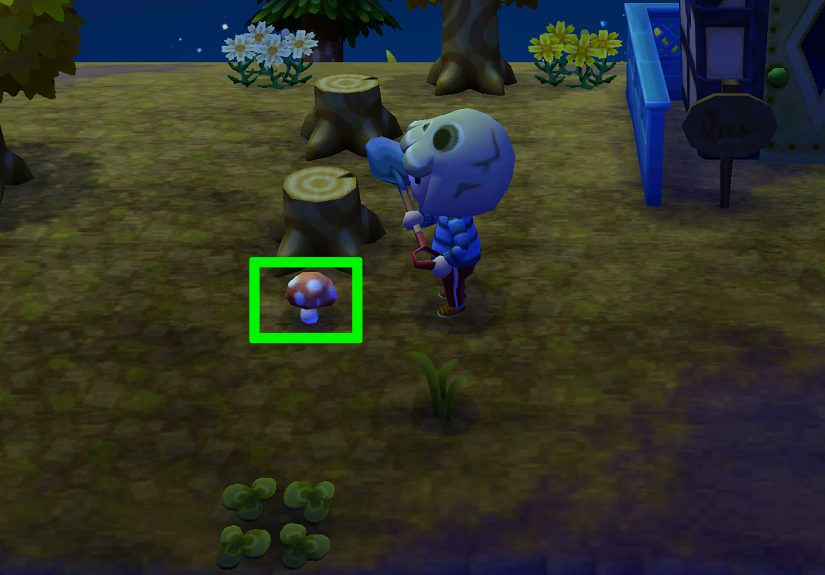
Mushrooms in Animal Crossing: New Leaf are seasonal and environmental items. During November, mushrooms can appear around trees in town. Special-pattern tree stumps can also encourage mushrooms to appear around them outside the normal mushroom season, which makes stumps important if you want a forestcore town before “forestcore” became a lifestyle brand.
There are several mushroom types in New Leaf, including flat mushrooms, round mushrooms, skinny mushrooms, elegant mushrooms, famous mushrooms, and rare mushrooms. Some are common and sell for modest amounts. Others, like elegant, famous, and rare mushrooms, are much more valuable. One mushroom-looking item during November may also turn out to be a piece of the Mush Series furniture instead of an edible or sellable mushroom.
How to Grow Mushrooms in Animal Crossing: New Leaf: 9 Steps
Step 1: Play During November for the Best Mushroom Season
The easiest way to find mushrooms in Animal Crossing: New Leaf is to play during November. This is the main mushroom season, when mushrooms naturally appear around trees in your town. If your town has enough open tree areas, you can make mushroom hunting part of your daily routine.
Open your game each day, walk through your town, and look carefully at the bases of trees. Mushrooms can blend into the ground, especially if your town is packed with flowers, patterns, bushes, or dropped items. A slow walking route is better than sprinting through like you are late for a meeting with Tom Nook’s accountant.
If you are using time travel, be careful. New Leaf follows the system clock, and changing time can affect weeds, turnips, villagers, and town maintenance. Time travel can help players revisit November, but it can also create messy side effects if done carelessly. For most players, the cleanest experience is simply to enjoy mushroom season when it arrives naturally.
Step 2: Keep Plenty of Trees in Your Town
Mushrooms need trees and stumps as spawn points, so a town with almost no trees will not be a mushroom paradise. Keep a healthy mix of regular trees, fruit trees, and cedar trees. The goal is not to turn the entire town into a dense forest where you need a search party to find Retail. The goal is to create enough natural spaces for mushrooms to appear visibly.
Leave clear ground around tree bases whenever possible. If the area around a tree is blocked by flowers, custom designs, public works projects, rocks, buildings, or other obstacles, it may be harder to spot mushrooms. You do not need to strip your town bare, but you should give mushrooms room to show up.
A good practical setup is to keep small forest zones in different parts of town. For example, place a few trees near your campsite, a few along a path, and a few near your house. This makes daily checking easier because you can follow a simple route instead of wandering around like a confused beetle.
Step 3: Create Tree Stumps for Year-Round Mushroom Chances
Tree stumps matter because mushrooms can appear around special stumps. To create a stump, equip an axe and chop down a fully grown tree. The tree will fall, leaving a stump behind. Most stumps show a normal circular bull’s-eye pattern, but sometimes the stump has a special design.
Special stump patterns are the real prize. These unusual patterns can include designs such as hearts, stars, leaves, musical notes, citrus slices, and other cute shapes. When you get one, do not immediately dig it up. A special stump is not just decoration; it can help mushrooms appear around it.
Ordinary stumps can still be useful for aesthetics or bug catching, but special stumps are the ones mushroom hunters usually care about most. Keep your best-looking special stumps in visible areas so you can check them quickly every day.
Step 4: Use the Right Axe Strategy
You can create stumps with a regular axe, but getting special stump patterns may take patience. If you have access to a silver axe, it is especially useful because players commonly use it when trying to create special stump designs more reliably. The gold axe is durable and convenient, but for stump-pattern hunting, many players prefer using the silver axe when available.
Before you start chopping, plan your town layout. Do not cut down rare fruit trees, perfectly placed landscaping trees, or trees that are part of a path design unless you are sure. Nothing says “mushroom project gone wrong” like accidentally destroying the one tree that made your town entrance look adorable.
A smart method is to plant extra trees in a designated stump-testing area. Let them grow fully, then cut them down one by one until you find special patterns you like. Keep the special stumps and remove the plain ones with a shovel.
Step 5: Leave Space Around Special Stumps
Once you have special stumps, give them breathing room. Mushrooms need nearby ground space to appear, so avoid surrounding stumps completely with flowers, patterns, furniture, or other objects. You can still decorate around them, but leave at least a few open tiles nearby.
For a clean mushroom zone, place special stumps along natural paths or near open grassy areas. This makes mushrooms easier to see and collect. It also gives your town a charming woodland look, which is perfect if your design goal is “storybook forest” rather than “municipal parking lot.”
Do not dig up a special stump unless you are sure you no longer want it. Once removed, that exact stump is gone. You can create another special stump later, but the pattern and placement may not be the same.
Step 6: Check Your Trees and Stumps Every Day
Mushroom hunting rewards consistency. During November, check around your trees daily. If you have special stumps, check around those too. The daily habit is simple: start at your house, walk through your planned forest zones, circle around every stump, and pick up anything that looks like a mushroom.
Look from multiple angles if your town has cliffs, buildings, or thick tree placement. The 3DS camera angle can make small items easy to miss. A mushroom hiding behind a cedar tree can be sneaky enough to deserve its own tiny villain theme music.
After picking up mushrooms, decide what to do with them immediately. You can sell them, store them, display them, or use them as part of seasonal decorating. Leaving too many items scattered on the ground can make your town look cluttered and may interfere with your ability to notice new spawns.
Step 7: Watch for Rare Mushrooms Near Stumps
Rare mushrooms are different from normal mushrooms because they can be buried underground. Instead of appearing openly on the grass, they may show up as a dig spot near a stump. That means you should bring a shovel when checking your mushroom zones.
Rare mushrooms are especially tied to having a high-quality town, often discussed by players as part of perfect town status. If you are aiming for rare mushrooms, keep your town clean, maintain a good number of trees and flowers, remove weeds, avoid litter, and ask Isabelle about citizen satisfaction at Town Hall.
When you see a dig spot close to a stump, dig it up. It might be a fossil, a gyroid, a pitfall seed, or, if the mushroom gods are feeling generous, a rare mushroom. Rare mushrooms are valuable, so they are worth checking for even if you usually ignore dig spots because your pockets are full of seashells and questionable life choices.
Step 8: Collect Mush Series Furniture During November
One of the best reasons to hunt mushrooms in New Leaf is the Mush Series furniture. During November, one mushroom-looking pickup may reveal itself as a piece of Mush Series furniture. This makes daily mushroom collecting exciting because you are not just gathering items; you are slowly building a cozy woodland furniture set.
The Mush Series includes pieces such as the Mush Bed, Mush Table, Mush Chair, Mush Lamp, Mush Dresser, Mush Closet, Mush Stool, Mush TV, Mush Wall Lamp, Mush Hanger, Forest Wall, and Forest Floor. Together, they create a fairy-tale forest room that looks like your house was decorated by a very organized gnome.
If you want the full set, check every day in November. Duplicates can happen, so be patient. Sell extras, trade with friends, or keep duplicates for themed rooms. The furniture is one of the main reasons mushroom season remains memorable for New Leaf players.
Step 9: Sell, Store, Eat, or Decorate With Your Mushrooms
After you collect mushrooms, you have options. Flat and round mushrooms are not worth many Bells, so many players use them for decoration or sell them casually. Skinny mushrooms are slightly better. Elegant mushrooms are much more valuable, while famous and rare mushrooms can sell for a strong amount of Bells.
The famous mushroom is especially fun because eating it creates a Mario-style growth effect. It is not the most practical use if you need Bells, but it is absolutely worth trying at least once. Sometimes the best New Leaf memories come from doing something silly just because the game lets you.
For decorating, mushrooms look great near stumps, cedar groves, fairy-tale paths, campsites, and rustic public works projects. You can create a seasonal mushroom trail, a secret forest corner, or a cozy November photo spot. If you love natural town design, mushrooms are not just collectibles; they are tiny mood-setters.
Mushroom Types and Sell Values in Animal Crossing: New Leaf
Knowing mushroom values helps you decide what to sell and what to keep. Here is a simple breakdown:
- Flat Mushroom: Common and usually low value.
- Round Mushroom: Common and usually low value.
- Skinny Mushroom: Slightly more valuable than the basic types.
- Elegant Mushroom: A high-value mushroom worth saving or selling carefully.
- Famous Mushroom: Valuable and fun to eat because of its special effect.
- Rare Mushroom: Valuable, buried near stumps, and connected to excellent town conditions.
If you need Bells, prioritize selling elegant, famous, and rare mushrooms. If you are decorating, keep a few of each type so your forest areas look varied and natural. If you are collecting, save at least one of every type for your personal catalog-style satisfaction, even if the game does not treat mushrooms exactly like normal catalog furniture.
Best Town Layout Tips for Mushroom Hunting
A good mushroom layout is easy to check, visually clean, and not too crowded. Place special stumps where you can see the ground around them. Avoid hiding them behind buildings or cliffs. If you use custom paths, leave natural grass pockets near stumps and trees.
Try creating three mushroom zones: one near your house, one near the campsite, and one in a quiet forest corner. This spreads out the atmosphere while keeping your daily route manageable. You can also plant cedar trees in the northern part of town for a more forest-like feeling, while using fruit trees closer to villagers’ houses for a softer village look.
Do not overdo it with stumps. Too many stumps can make your town feel messy and may interfere with walking routes. A handful of well-placed special stumps is usually better than a chopped-up town that looks like a lumberjack had a stressful morning.
Common Mistakes to Avoid
Digging Up Special Stumps Too Soon
Always check the stump pattern before removing it. If it has a special design, consider keeping it. Special stumps are useful for mushroom spawning and can also make your town look unique.
Blocking Spawn Areas
If every tile around a tree or stump is covered, mushrooms may be harder to find or may not appear where you expect. Keep some open ground available.
Ignoring Dig Spots Near Stumps
Rare mushrooms can be buried, so do not only look for visible mushrooms. Bring a shovel and check suspicious dig spots close to your stumps.
Expecting New Horizons Mechanics
New Leaf does not use mushrooms as crafting materials the way Animal Crossing: New Horizons does. In New Leaf, mushrooms are mainly seasonal collectibles, sellable items, special-effect items, and a path to Mush Series furniture.
Extra Experience: What Mushroom Hunting Feels Like in New Leaf
The best way to enjoy mushroom hunting in Animal Crossing: New Leaf is to treat it like a daily fall ritual rather than a strict farming chore. New Leaf is slow, gentle, and a little unpredictable. That is the charm. You log in, hear the familiar music, step outside your house, and begin the very serious mayoral duty of staring at the ground around trees.
In practice, the most satisfying mushroom towns are not the ones with the maximum number of stumps. They are the ones with thoughtful routes. For example, imagine starting at your house and walking down a path lined with orange and red trees. Near the first bend, you keep a heart-pattern stump with two open grass tiles beside it. Farther down, there is a cedar grove with a star-pattern stump near a bench. Across the bridge, near the campsite, you keep one more special stump beside a patch of flowers. That route takes less than two minutes to check, but it feels like a tiny seasonal adventure.
One useful habit is to pick up mushrooms as soon as you see them, then sort your pockets at Retail. This prevents confusion about which mushrooms are new and which ones you left behind yesterday because you were “saving them for decoration” and then forgot. If you want decorative mushrooms, place them intentionally in one area. Do not scatter them everywhere unless your design theme is “adorable woodland chaos.”
Another helpful experience-based tip is to use mushrooms as visual storytelling. A famous mushroom near a Mario-themed room, a few flat mushrooms beside a stump, and a Mush Lamp inside your house can make the whole town feel connected. New Leaf is wonderful because small details matter. A single mushroom beside a stump can make a forest corner feel alive.
If you are trying to complete the Mush Series, patience is your best friend. You may get duplicates. You may pick up yet another piece you already own while the one item you want refuses to appear like it signed a contract with drama. Keep checking every day in November, and store duplicates until you decide whether to sell or trade them.
Finally, do not rush the process too much. The joy of mushroom season is not only the reward. It is the atmosphere: the autumn colors, the daily walk, the surprise furniture, and the small thrill of finding something valuable beside a stump you almost removed last week. In a game about slow living, mushrooms are one of the perfect seasonal reminders to look closely, walk slowly, and appreciate the weird little gifts your town leaves for you.
Conclusion
Learning how to grow mushrooms in Animal Crossing: New Leaf is really about learning how to prepare your town for natural mushroom spawns. Play during November, keep enough trees, create special-pattern stumps, leave open ground, check daily, and maintain a clean town if you are hunting for rare mushrooms. Once you understand the system, mushroom season becomes one of the coziest and most rewarding times of the year.
Whether you are collecting the Mush Series, decorating a forest path, earning Bells, or eating a famous mushroom just to watch your character grow in classic Mario fashion, mushrooms add personality to your town. They are small, seasonal, and easy to miss, but that is exactly what makes finding them feel special.