Table of Contents >> Show >> Hide
- Why Chickpeas Make an Excellent Vegan Cheese Sauce Base
- Ingredients for Vegan Chickpea “Cheese” Sauce
- How to Make Vegan Chickpea Cheese Sauce
- Best Ways to Use Chickpea Cheese Sauce
- Tips for the Creamiest Vegan Chickpea Cheese Sauce
- Flavor Variations
- Storage and Meal Prep
- Common Mistakes to Avoid
- Is Vegan Chickpea Cheese Sauce Healthy?
- Complete Vegan Chickpea “Cheese” Sauce Recipe
- Personal Kitchen Experience: What Makes This Sauce Worth Repeating
- Conclusion
Note: This article is written for web publication and is based on widely used plant-based cooking techniques, chickpea nutrition knowledge, and dairy-free sauce methods. Nutrition values are estimates and may vary depending on the ingredients used.
There are two types of people in this world: people who believe cheese sauce must contain dairy, and people who have already met the creamy little miracle known as vegan chickpea cheese sauce. This recipe belongs firmly in the second camp. It is smooth, savory, tangy, golden, comforting, and surprisingly easy to make with pantry staples. No soaking cashews overnight. No mysterious science project in a jar. No expensive specialty ingredients hiding at the back of the health-food aisle like they owe you money.
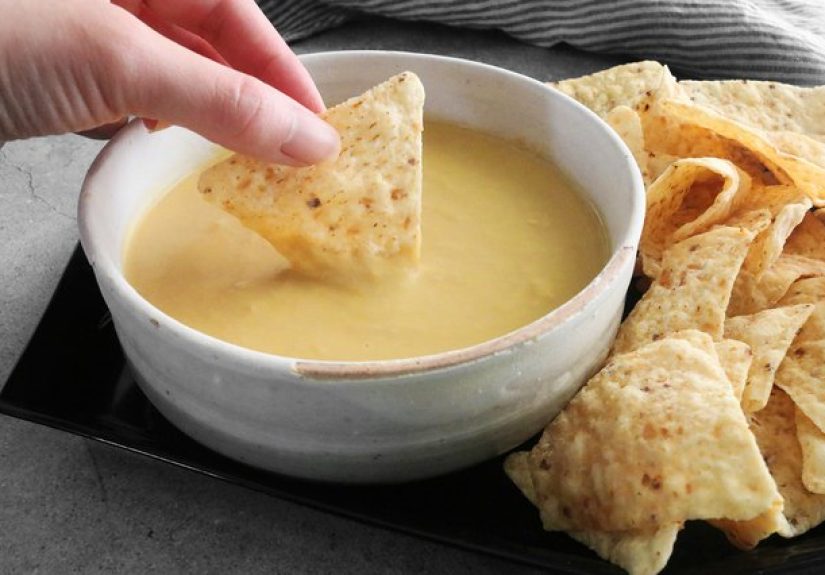
This Vegan Chickpea “Cheese” Sauce Recipe uses canned chickpeas, nutritional yeast, lemon juice, garlic, mustard, and simple seasonings to create a creamy dairy-free sauce that works on pasta, nachos, roasted vegetables, grain bowls, baked potatoes, tacos, and anything else that could use a cozy golden blanket. Chickpeas bring body and creaminess, nutritional yeast adds that nutty, cheesy flavor, and a little acid makes the sauce taste bright instead of flat.
Best of all, this sauce is naturally nut-free, dairy-free, egg-free, and easy to make gluten-free. It is also budget-friendly, which means your dinner can feel fancy without requiring a financial planning meeting. Whether you are vegan, lactose-intolerant, cooking for someone with nut allergies, or simply trying to sneak more legumes into your meals, this sauce is a practical, delicious recipe worth keeping in your weekly rotation.
Why Chickpeas Make an Excellent Vegan Cheese Sauce Base
Chickpeas, also called garbanzo beans, are the quiet overachievers of the plant-based pantry. They blend into hummus, crisp up beautifully in the oven, bulk up salads, thicken soups, and, in this recipe, transform into a creamy vegan cheese sauce. Their naturally starchy texture helps create a smooth sauce without relying on heavy oils, dairy cream, or large amounts of nuts.
Compared with some cashew-based vegan cheese sauces, a chickpea cheese sauce has a lighter, bean-forward body. That sounds humble, but it is actually a strength. Chickpeas provide structure, so the sauce clings to pasta and vegetables instead of sliding sadly to the bottom of the bowl. When blended with warm liquid, lemon juice, nutritional yeast, and spices, they become rich enough for comfort food but still wholesome enough for a Tuesday lunch.
Another big advantage is convenience. A can of chickpeas can go from pantry shelf to sauce in about ten minutes. There is no soaking, boiling, or waiting involved. If you have a blender and a can opener, you are already most of the way there. That is the kind of kitchen math everyone can support.
Ingredients for Vegan Chickpea “Cheese” Sauce
This recipe makes about 2 cups of sauce, enough for 4 servings of pasta, a generous nacho drizzle, or several meal-prep bowls.
Main Ingredients
- 1 can chickpeas, drained and rinsed — Reserve a little aquafaba, the liquid from the can, to thin the sauce if needed.
- 1/2 cup unsweetened plant milk — Oat milk, soy milk, or almond milk works well. Use plain, unsweetened milk only.
- 1/3 cup nutritional yeast — This gives the sauce its savory, cheesy flavor.
- 2 tablespoons lemon juice — Adds tang and brightness.
- 1 tablespoon tahini or olive oil — Adds richness and a silkier mouthfeel.
- 1 teaspoon Dijon mustard — Helps create a sharp, cheddar-style flavor.
- 1 small garlic clove or 1/2 teaspoon garlic powder — Use garlic powder for a milder flavor.
- 1/2 teaspoon onion powder — Adds savory depth.
- 1/2 teaspoon smoked paprika — Optional, but excellent for a nacho-style flavor.
- 1/4 teaspoon turmeric — Mainly for color, so do not go overboard unless you want the sauce to taste like a spice cabinet.
- 1/2 teaspoon salt — Adjust to taste.
- 1/4 teaspoon black pepper — Adds gentle warmth.
- 2 to 6 tablespoons hot water or aquafaba — Use as needed to adjust thickness.
Optional Flavor Boosters
- 1 teaspoon apple cider vinegar for extra tang.
- 1 tablespoon miso paste for deeper umami flavor.
- 1/4 teaspoon cayenne pepper for heat.
- 2 tablespoons salsa for a quick vegan queso twist.
- 1 tablespoon pickled jalapeño brine for nacho-style sharpness.
How to Make Vegan Chickpea Cheese Sauce
Step 1: Rinse the Chickpeas
Drain the chickpeas and rinse them under cool water. This removes excess sodium and softens the canned flavor. If you want an ultra-smooth sauce, you can gently rub the chickpeas in a clean towel to loosen some of the skins. Is this required? Absolutely not. Is it helpful if you are trying to impress someone who says things like “mouthfeel” at dinner? Yes.
Step 2: Add Everything to a Blender
Add the chickpeas, plant milk, nutritional yeast, lemon juice, tahini or olive oil, mustard, garlic, onion powder, smoked paprika, turmeric, salt, and pepper to a high-speed blender. Start with less liquid if you want a thick dip, or use the full amount for a pourable sauce.
Step 3: Blend Until Smooth
Blend for 45 to 90 seconds, stopping to scrape down the sides if needed. Add hot water or aquafaba 1 tablespoon at a time until the sauce reaches your preferred texture. For pasta, aim for a creamy sauce that slowly pours from a spoon. For nachos, keep it slightly thicker so it sits proudly on chips instead of running away.
Step 4: Warm the Sauce
Pour the blended sauce into a small saucepan and warm it over medium-low heat for 3 to 5 minutes, stirring often. Heating helps the flavors blend and makes the sauce feel more like traditional cheese sauce. If it thickens too much, whisk in a splash of plant milk or hot water.
Step 5: Taste and Adjust
This is where the sauce becomes yours. Need more cheesy flavor? Add another tablespoon of nutritional yeast. Want more sharpness? Add lemon juice or apple cider vinegar. Too thick? Add liquid. Too mild? Add mustard, garlic, salt, or smoked paprika. A good vegan cheese sauce should taste savory, tangy, lightly salty, and rich enough to make broccoli feel like it got invited to a party.
Best Ways to Use Chickpea Cheese Sauce
This dairy-free chickpea cheese sauce is flexible enough to show up in breakfast, lunch, dinner, and the kind of snack plate you assemble while standing in front of the fridge pretending it is not dinner.
Vegan Mac and Cheese
Toss the warm sauce with cooked pasta and a splash of pasta water. Elbow macaroni is classic, but shells, rotini, and cavatappi are even better because they trap the sauce in their curves. Add steamed broccoli, peas, spinach, roasted cauliflower, or sautéed mushrooms for extra texture and flavor.
Nachos and Vegan Queso
For a nacho-style version, stir in salsa, pickled jalapeños, chili powder, and a little cumin. Pour it over tortilla chips, black beans, corn, avocado, tomatoes, and green onions. This version is ideal for game nights, movie nights, or any night when a fork feels too formal.
Baked Potatoes and Sweet Potatoes
Spoon the sauce over a fluffy baked potato and top with chives, roasted vegetables, or smoky tempeh crumbles. It is also delicious on baked sweet potatoes, where the tangy sauce balances the natural sweetness.
Vegetable Bowls
Drizzle chickpea cheese sauce over roasted Brussels sprouts, carrots, zucchini, cauliflower, or broccoli. Add quinoa, brown rice, farro, or barley, and you have a hearty plant-based bowl that tastes far more exciting than the phrase “plant-based bowl” sometimes suggests.
Sandwiches, Wraps, and Tacos
Use the sauce as a spread for veggie wraps, grilled sandwiches, vegan burritos, or tacos. It pairs especially well with roasted peppers, black beans, crispy tofu, mushrooms, and crunchy slaw.
Tips for the Creamiest Vegan Chickpea Cheese Sauce
The biggest secret to a creamy sauce is blending long enough. Chickpeas need more time than soft vegetables or soaked cashews, so do not stop the blender after ten seconds and wonder why your sauce looks like beige confetti. Give it time to become smooth.
Use warm liquid if possible. Warm plant milk or hot water helps the chickpeas blend more easily and creates a silkier sauce. A high-speed blender will produce the smoothest result, but a regular blender can still work if you blend longer and add liquid gradually.
Balance is also important. Chickpeas are mild and slightly earthy, so they need acid, salt, and umami to taste “cheesy.” Lemon juice, mustard, nutritional yeast, garlic, and smoked paprika all help push the sauce in a savory direction. If the sauce tastes flat, it probably does not need more chickpeas. It needs seasoning.
Flavor Variations
Spicy Vegan Queso
Add 1/2 teaspoon chili powder, 1/4 teaspoon cumin, 2 tablespoons salsa, and a spoonful of chopped jalapeños. This version is perfect for nachos, tacos, burrito bowls, and loaded fries.
Garlic Herb Chickpea Cheese Sauce
Add roasted garlic, parsley, basil, and a pinch of oregano. Serve it with roasted vegetables, pasta, or warm bread. This version has cozy Italian-inspired energy without pretending to be Alfredo.
Smoky Cheddar-Style Sauce
Increase the smoked paprika to 1 teaspoon and add a tiny pinch of cayenne. This makes a bolder sauce that works beautifully on burgers, potatoes, and barbecue-style grain bowls.
Extra-Creamy Chickpea Cheese Sauce
Add 2 tablespoons of cashew butter, tahini, or vegan cream cheese if you want a richer texture. The basic recipe is nut-free when made with tahini or olive oil, so choose the option that fits your dietary needs.
Storage and Meal Prep
Store leftover vegan chickpea cheese sauce in an airtight container in the refrigerator for up to 4 days. The sauce will thicken as it chills because chickpeas are naturally starchy. To reheat, warm it gently on the stove or in the microwave, stirring in a splash of plant milk or water until smooth again.
You can freeze the sauce for up to 2 months, though the texture may become slightly grainier after thawing. To fix that, reblend the sauce with a little warm liquid. It may not be exactly as silky as day one, but it will still taste great on pasta or potatoes.
Common Mistakes to Avoid
Using Sweetened Plant Milk
Vanilla oat milk and cheese sauce are not friends. Always use plain, unsweetened plant milk. Even a little sweetness can make the sauce taste oddly dessert-adjacent, and nobody asked for cupcake nachos.
Skipping the Acid
Lemon juice or vinegar is essential. Without acid, the sauce can taste heavy and bean-like. A little tang helps mimic the sharpness people expect from cheese sauce.
Adding Too Much Turmeric
Turmeric gives the sauce a sunny yellow color, but too much can create a bitter, earthy flavor. Start small. You are making cheese sauce, not dyeing a scarf.
Not Blending Long Enough
If the sauce tastes gritty, keep blending. Add a tablespoon or two of hot water and blend again. Smoothness often comes down to patience, liquid, and letting the blender do its job.
Is Vegan Chickpea Cheese Sauce Healthy?
This sauce can be a nourishing addition to a balanced diet. Chickpeas provide plant-based protein, fiber, complex carbohydrates, and minerals. Nutritional yeast contributes savory flavor and, when fortified, may provide B vitamins. Compared with traditional dairy cheese sauce, this chickpea-based version is typically lower in saturated fat and contains no cholesterol.
That said, “healthy” depends on the full meal and your personal needs. If you pour the sauce over vegetables and whole grains, it becomes part of a fiber-rich meal. If you pour it over a mountain of chips, it becomes delicious nachos. Both have their place. Food does not need a moral judgment; it needs context, balance, and maybe a napkin.
Complete Vegan Chickpea “Cheese” Sauce Recipe
Ingredients
- 1 can chickpeas, drained and rinsed
- 1/2 cup plain unsweetened plant milk
- 1/3 cup nutritional yeast
- 2 tablespoons lemon juice
- 1 tablespoon tahini or olive oil
- 1 teaspoon Dijon mustard
- 1 small garlic clove or 1/2 teaspoon garlic powder
- 1/2 teaspoon onion powder
- 1/2 teaspoon smoked paprika
- 1/4 teaspoon turmeric
- 1/2 teaspoon salt, plus more to taste
- 1/4 teaspoon black pepper
- 2 to 6 tablespoons hot water or aquafaba, as needed
Instructions
- Drain and rinse the chickpeas. Reserve a few tablespoons of aquafaba if you want to use it for thinning.
- Add chickpeas, plant milk, nutritional yeast, lemon juice, tahini or olive oil, mustard, garlic, onion powder, smoked paprika, turmeric, salt, and pepper to a blender.
- Blend until completely smooth, adding hot water or aquafaba 1 tablespoon at a time until the sauce reaches your desired consistency.
- Transfer the sauce to a small saucepan and warm over medium-low heat for 3 to 5 minutes, stirring frequently.
- Taste and adjust with more salt, lemon juice, mustard, or nutritional yeast.
- Serve over pasta, potatoes, nachos, vegetables, grain bowls, tacos, or wraps.
Recipe Yield
This recipe makes about 2 cups of vegan chickpea cheese sauce, or roughly 4 servings.
Estimated Prep and Cook Time
Prep time: 5 minutes
Cook time: 5 minutes
Total time: 10 minutes
Personal Kitchen Experience: What Makes This Sauce Worth Repeating
The first time you make vegan chickpea cheese sauce, there is a good chance you will look into the blender and think, “Really? This is going to become cheese sauce?” That skepticism is fair. Chickpeas are beige. Cheese sauce is usually golden and glossy. The transformation does not look promising at first. But then the nutritional yeast goes in, the lemon juice wakes everything up, the paprika adds warmth, and suddenly the blender starts producing something that looks suspiciously like comfort food.
One of the best things about this recipe is how forgiving it is. Traditional cheese sauces can split, scorch, clump, or become oily if you look at them with the wrong attitude. Chickpea cheese sauce is more relaxed. If it is too thick, add liquid. If it is too thin, warm it longer or blend in a few more chickpeas. If it tastes too mild, add mustard, salt, lemon, or nutritional yeast. It behaves like a helpful friend, not a dramatic cooking exam.
This sauce is especially useful for meal prep. A container in the fridge can rescue several meals during the week. Monday pasta becomes creamy mac and cheese. Tuesday roasted vegetables become something you actually look forward to eating. Wednesday’s leftover rice turns into a cheesy grain bowl with beans, salsa, and avocado. By Thursday, you may find yourself dipping steamed broccoli directly into the container while pretending you are simply “checking the seasoning.”
It is also a great recipe for households with mixed eating styles. Not everyone at the table needs to be vegan to enjoy it. The flavor is familiar enough for cheese lovers, but it does not try too hard to imitate a specific dairy cheese. Instead, it delivers the things people usually want from cheese sauce: creaminess, saltiness, tang, richness, and the ability to make plain food more exciting. That is a respectable job description.
Another experience worth mentioning is how well this sauce works with texture. Smooth sauce plus crispy toppings is a winning combination. Try it with toasted breadcrumbs on pasta, crushed tortilla chips on a burrito bowl, roasted chickpeas on a salad, or chopped scallions over a baked potato. The sauce brings softness and richness, while crunchy toppings keep the dish lively. Without contrast, creamy food can become a little sleepy. With contrast, it becomes dinner you remember.
The recipe also encourages creativity. Once you understand the basic formula, you can adjust it endlessly. More lemon for brightness. More smoked paprika for depth. Jalapeños for heat. Miso for umami. Salsa for queso. Roasted red pepper for sweetness and color. The chickpea base is like a blank canvas, except you can eat it, which makes it better than most blank canvases.
Most importantly, this vegan chickpea cheese sauce proves that plant-based cooking does not need to feel complicated. It can be practical, affordable, and genuinely satisfying. A can of chickpeas, a scoop of nutritional yeast, and a few pantry seasonings can create a sauce that turns ordinary meals into something cozy and fun. That is the kind of recipe that earns a permanent spot in the kitchen, right next to the wooden spoon, the favorite pan, and the emergency chocolate.
Conclusion
This Vegan Chickpea “Cheese” Sauce Recipe is creamy, quick, nut-free, dairy-free, and endlessly useful. It is perfect for pasta, nachos, potatoes, roasted vegetables, tacos, sandwiches, and meal-prep bowls. Chickpeas create a smooth, hearty base, while nutritional yeast, lemon juice, mustard, garlic, and spices build a savory cheese-like flavor without dairy.
Whether you are new to vegan cooking or already have nutritional yeast in your pantry with the confidence of someone who calls it “nooch,” this sauce is simple enough for beginners and flexible enough for experienced home cooks. Keep it basic, make it spicy, turn it into queso, or use it as a creamy drizzle for vegetables. However you serve it, this chickpea cheese sauce is proof that comfort food can be plant-based, budget-friendly, and still taste like something you want to eat straight from the spoon.