Table of Contents >> Show >> Hide
- Why the Sora Bit Feels Like the Season’s Cleanest Knockout
- Weekend Update at Its Best Is a Pressure Chamber
- The Secret Ingredient: The Joke Was Mean in the Right Way
- The Competition Was Not Weak, Which Makes the Win More Impressive
- Why AI Was the Perfect Target for This Season
- This Joke Also Proves That Visual Update Beats Plain Update
- What This Says About SNL Right Now
- Final Verdict: Yes, This Is the Best Weekend Update Joke of the Season So Far
- Extra Reflection: The Experience of Watching a Great Weekend Update Joke Land
- Conclusion
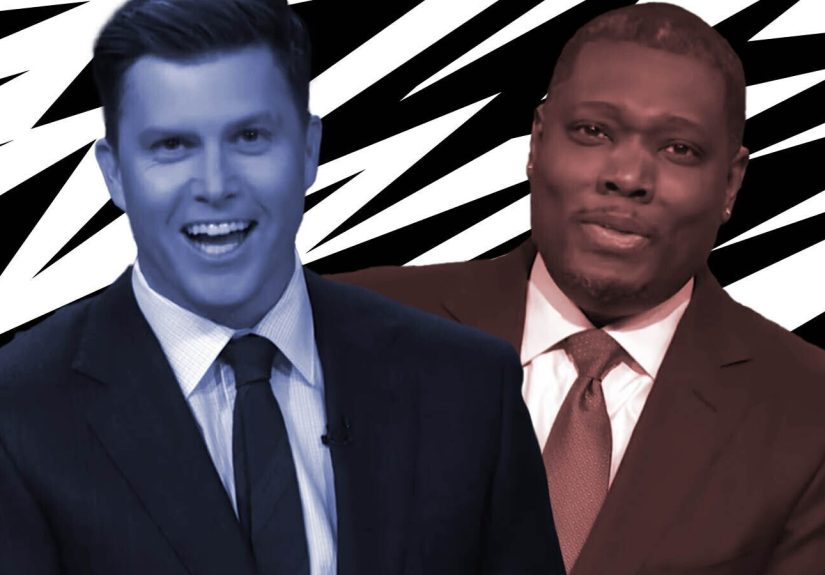
There are good Weekend Update jokes, there are great Weekend Update jokes, and then there are the ones that make you laugh, wince, rewind, and immediately text somebody, “Well, that was deeply unholy.” This season of Saturday Night Live has already served up plenty of those. Colin Jost and Michael Che have been doing what they do best: delivering sharp, efficient punchlines with the energy of two men who know exactly how far they can push the room before the room pushes back. That tension is the whole magic trick.
But if we are picking one joke that best captures what makes Weekend Update dangerous, modern, and weirdly elegant, one bit rises above the pile. It is the Sora joke. More specifically, it is the Michael Che setup about OpenAI’s video tool becoming realistic enough to create cameos, followed by the reveal of a fake video that drags Colin Jost into a lurid tabloid nightmare. It is fast, topical, mean, visual, and absurdly efficient. In other words, it is a nearly perfect Weekend Update joke.
Why the Sora Bit Feels Like the Season’s Cleanest Knockout
The best Weekend Update jokes do not merely comment on the news. They weaponize the news, then wrap the punchline in a smile so bright you almost miss how vicious the blade was. The Sora gag worked because it hit several targets at once without feeling overloaded. It mocked artificial intelligence hype. It mocked the growing unease around fake video. It mocked public scandal culture. And, perhaps most importantly, it mocked Colin Jost himself, which is practically a side business for Michael Che at this point.
That is what makes the joke feel bigger than a normal one-liner. A standard Update joke lands, gets the laugh, and disappears into the next headline. This one expanded outward. The setup was topical. The payoff was visual. The victim was sitting right there. And the audience got the extra thrill of watching Jost react in real time, which is half the fun of any great Che ambush. Jost’s persona has always been useful to the desk: clean-cut, mildly smug, very game, and permanently one beat away from looking horrified by the thing he is forced to say or see. The Sora bit used that persona like a pressure cooker.
It also had that increasingly rare comedy quality: it felt current without being disposable. Plenty of news jokes expire before the applause does. This one had a longer shelf life because it was really about two anxieties at once. Yes, it was about AI. But it was also about how easy it has become to fabricate an image, a memory, a scandal, or a public association and let the internet do the rest. A joke that understands the technology and the culture around it will almost always outlive a joke that merely drops a trendy keyword and hopes for mercy.
Weekend Update at Its Best Is a Pressure Chamber
There is a reason the desk remains one of the most dependable engines on SNL. Even in seasons that feel uneven, Weekend Update usually knows what it is doing. It has structure. It has rhythm. It has hosts with sharply defined comedic identities. Jost specializes in polished setup and polished disbelief. Che brings the sideways grin of a man who knows the next line should not be allowed on television, yet here we are.
Together, they have built one of the longest and most recognizable runs in the history of the segment. That matters because longevity creates trust, and trust lets the writers take sharper turns. When the audience sits down at the desk, they already know the rules of engagement. Jost will toss out something arch. Che will go darker. One of them will grin through a line that makes the other look like he just swallowed battery acid. Then a character may appear and make everything even stranger.
This season, that chemistry has mattered even more. SNL has been navigating the usual mix of cast changes, anniversary glow, headline overload, and the impossible demand that every week feel both immediate and iconic. In that environment, the desk often becomes the show’s most stable delivery system. It can move from politics to pop culture to tech panic in under ninety seconds. It can play broad and niche at the same time. And when it really clicks, it can distill a whole week’s insanity into a punchline short enough to fit on a T-shirt.
The Secret Ingredient: The Joke Was Mean in the Right Way
Comedy fans love to say something is “too mean” when what they usually mean is “too lazy.” Lazy mean jokes punch down, overexplain themselves, or confuse cruelty for surprise. The Sora joke did none of that. It was mean with architecture. It had a structure sturdy enough to carry the ugliness without collapsing into cheap shock.
That distinction matters. Great Weekend Update humor has always depended on precision. The line has to be sharp enough to pierce, but efficient enough to feel effortless. The Sora gag did not overplay its hand. It trusted the audience to understand why AI-generated footage is funny, creepy, and culturally radioactive. It trusted Jost’s reaction to sell the rest. And it trusted the show’s long-running internal mythology, where Che treats Jost less like a co-anchor and more like a well-dressed lab rat.
That is why the joke lingers. You are not just remembering the line. You are remembering the chain reaction: the setup, the reveal, the audience’s gasp-laugh, Jost’s expression, and the larger feeling that the desk had somehow turned a headline about synthetic media into a little masterpiece of televised sabotage.
The Competition Was Not Weak, Which Makes the Win More Impressive
Calling this the best joke of the season so far is not the same as saying the season has been short on material. Quite the opposite. Weekend Update has been unusually strong because its best jokes have felt both concise and loaded.
The government shutdown line
One standout was the simple crack about the government finally representing the people by shutting down completely. That joke worked because it was brutally compressed. No extra garnish. No decorative irony. Just a dead-on diagnosis of public fatigue delivered in a sentence so short it practically slapped. Jost is especially good at this kind of line, where the joke looks harmless until you realize it just summarized the national mood better than most cable panels do in forty minutes.
The Zohran Mamdani punchline
Another strong entry was Che’s joke about critics trying to label Zohran Mamdani as incompatible political extremes at once. The punchline was silly, topical, and structurally neat, which is a hard combination to pull off without sounding like you are trying too hard to become a trending clip. Che got there because he did not overdecorate the absurdity. He simply noticed how ridiculous the rhetoric already was and nudged it one step further.
The annual torture ritual disguised as a joke swap
And, of course, there is the joke swap tradition, now one of the most reliable holiday blood sports on television. That recurring bit remains a reminder that Weekend Update is not just a fake newscast. It is also a long-running psychological experiment where two professional comedians try to get each other canceled for the holidays. The joke swaps are not always the most elegant writing of the year, but they do reveal something important about the desk: its best material often comes from weaponizing familiarity. The Sora bit belongs in that same family, only with tighter construction and a cleaner sense of purpose.
Why AI Was the Perfect Target for This Season
AI is comedy catnip right now, but it is also a trap. Too many jokes about artificial intelligence amount to little more than, “Wow, computers are weird now,” which is roughly as fresh as a loaf of bread left in a glove compartment. What made this joke land is that it did not stop at the technology. It went after the social consequence of the technology.
That is where SNL has quietly been smart. Across the broader season, the show has returned to the cultural weirdness around automation, synthetic media, and algorithmic fakery in different forms. Sometimes it has played that material broadly, sometimes satirically, and sometimes with the gleeful panic of people staring directly into the digital void. The Sora joke distilled all of that into one small, nasty package. Instead of lecturing viewers about the dangers of AI, it made the danger funny by making it personal. Suddenly the problem was not “society.” The problem was Colin Jost in a fake video that should not exist but now sort of exists in your brain forever.
That is elegant comedy writing. It takes a sprawling, abstract anxiety and gives it a face. In this case, a very worried face behind the desk.
This Joke Also Proves That Visual Update Beats Plain Update
For all the romance around the pure one-liner, modern Weekend Update increasingly thrives when it breaks format just enough to surprise you. A graphic. A character interruption. A fake package. A clip. A photo that appears at exactly the right second. The desk is still anchored in classic setup-punchline writing, but the best modern bits understand that television is not radio in a tie.
The Sora joke needed the visual component. Without it, it is merely clever. With it, it becomes theatrical. The audience is not just imagining the scandalous absurdity. They are watching it unfold while the co-anchor most affected by it is trapped on camera. That is rich. It is a joke about fake media delivered through fake media to a real audience that gets to enjoy a real reaction. If that sounds like too many layers, congratulations: that is modern satire. Everybody is in on the bit, including the people getting burned by it.
What This Says About SNL Right Now
If you want the healthiest sign for SNL, it is not that every sketch kills. No live sketch show has ever had that batting average, and anybody who claims otherwise is either nostalgic or concussed. The better sign is whether the show still produces moments that feel unmistakably alive. Not polished into lifelessness. Not reverse-engineered from social media reaction. Alive.
This joke felt alive. It felt dangerous in the old-fashioned SNL sense, where you could almost hear the audience realizing, second by second, what they were looking at. It also felt modern in a way the show sometimes struggles to achieve. The material was not just ripped from headlines; it was ripped from the way people now actually experience headlines, which is through clips, distortions, instant reactions, and the uneasy suspicion that reality itself has become too editable.
That is why this joke is more than a funny bit from one episode. It is an example of the desk understanding the present tense. And when Weekend Update understands the present tense, it becomes the sharpest blade in Studio 8H.
Final Verdict: Yes, This Is the Best Weekend Update Joke of the Season So Far
You could make a case for the shutdown line if you prefer minimalist political comedy. You could make a case for the Mamdani joke if you admire smart wordplay with just enough acid on it. You could even argue that the annual joke swaps deliver the most unforgettable television, provided you enjoy watching Colin Jost age three years in under four minutes.
But the Sora bit has the fullest package. It is topical without being flimsy. It is visual without being overproduced. It is cruel without being sloppy. It turns technology anxiety into a character joke, a news joke, a media joke, and an internal SNL joke all at once. That is hard to do. It is even harder to do in a way that feels breezy.
And that, more than anything, is why it wins. The best Weekend Update joke never looks like homework. It looks like it arrived effortlessly, even when you can tell an evil amount of craft went into it. This one walked out in a suit, smiled for the camera, and quietly set the room on fire.
Extra Reflection: The Experience of Watching a Great Weekend Update Joke Land
Part of what makes a truly great Weekend Update joke memorable is that it does not feel like a joke in isolation. It feels like an event. You are not only hearing a punchline. You are feeling the room tighten around it. That experience is especially powerful with Jost and Che because their dynamic has become so familiar that the audience can read tiny changes in posture, rhythm, and facial expression like subtitles.
When a joke really works at that desk, there is a fascinating half-second where three things happen at once. First, the audience understands the setup. Second, the audience realizes where the line is going. Third, the audience realizes the line is actually going to cross that line anyway. That little sequence is one of the most pleasurable sensations in live television comedy. It is suspense disguised as laughter.
That is why fans remember certain Update jokes years later even when they forget entire episodes built around them. A strong sketch can be funny, but a great desk joke often feels communal. It turns the audience into witnesses. Everyone sees the same setup, everyone understands the same danger, and then everyone reacts together when the punchline lands harder than expected. It is comedy as a little public shockwave.
The Sora joke had exactly that energy. Even people who did not care all that much about AI could feel what the bit was doing. It was tapping into the modern, low-grade paranoia that almost everybody carries around now: the fear that images can be manipulated, reputations can be fabricated, and reality can be altered into a punchline before anybody has time to object. But because this is SNL, that cultural anxiety did not arrive as a sermon. It arrived as a fake clip designed to make Colin Jost look like he had wandered into the worst possible historical photo album.
There is also something special about watching Jost play offense and defense at the same time. He has to remain the polished anchor, but he also has to survive being the target. That balance is the engine of the desk. When he looks genuinely uneasy, the audience laughs harder, not because they dislike him, but because his discomfort is part of the architecture. He is the designated test dummy in an expensive suit.
Che, meanwhile, has become brilliant at performing innocence after detonating the room. That is a huge part of the experience. He often delivers the harshest material with the face of a man who would like credit for being helpful. There is a rhythm to it now. He sets the trap. The audience senses the trap. Jost steps in it. Che looks delighted that gravity still works. It is almost athletic.
Watching that rhythm unfold over a season gives fans another kind of pleasure: anticipation. By the time a strong Update segment starts, viewers are not just listening for the jokes. They are listening for escalation. They want to know whether the joke will stay topical, become personal, turn visual, or suddenly spin into one of those gloriously uncomfortable moments where everybody on camera looks a little surprised that network television is still allowing this to happen.
That experience is why Weekend Update endures, even when the rest of the show is uneven. The desk offers a dependable emotional cycle: recognition, surprise, discomfort, release. Great comedy often works that way, and Update has refined it into a weekly ritual. A strong joke does not just earn a laugh. It earns a memory. It creates the moment when people sit up, point at the screen, and say, “There. That one. That is the joke people are going to be talking about tomorrow.”
This season, the Sora bit feels like that joke. Not because it was the loudest, and not just because it was the meanest, but because it captured the whole modern Weekend Update experience in miniature: current, dangerous, layered, stupid in the smartest possible way, and made even better by the fact that one of the people involved looked like he wanted to crawl under the desk and live there until spring.