Table of Contents >> Show >> Hide
- What Is Trigeminal Neuralgia?
- Standard Treatments Before Botox
- What Is Botox and How Might It Help?
- Is Botox for Trigeminal Neuralgia FDA-Approved?
- What Does the Research Say?
- Who Might Be a Candidate?
- What Happens During Treatment?
- How Long Does Botox Take to Work?
- Possible Side Effects of Botox for Trigeminal Neuralgia
- Benefits and Limitations
- Questions to Ask Your Doctor
- Experience-Based Guide: What Patients Often Want to Know
- Conclusion
Botox for trigeminal neuralgia may sound surprising at first. After all, most people know Botox as the tiny-needle wizard behind smoother foreheads and fewer “Did I leave the oven on?” wrinkles. But in medical offices, onabotulinumtoxinAbetter known by the brand name Botoxis also used for certain nerve and muscle conditions, including chronic migraine. For some people with trigeminal neuralgia, doctors may consider Botox as an off-label treatment when standard medications do not work well enough or cause side effects that feel like a second full-time job.
Trigeminal neuralgia is not ordinary facial pain. It is often described as sudden, electric shock-like pain on one side of the face. A breeze, brushing teeth, shaving, chewing, applying makeup, or even smiling at the wrong moment can trigger a sharp attack. In other words, the face decides to become a dramatic alarm system, and nobody requested that feature.
This article explains what Botox may do for trigeminal neuralgia, why it is considered off-label, what the research suggests, possible side effects, who may be a candidate, and what the treatment experience can look like. It is educational only and should not replace medical advice from a neurologist, pain specialist, oral-facial pain specialist, or neurosurgeon.
What Is Trigeminal Neuralgia?
Trigeminal neuralgia, sometimes called tic douloureux, is a chronic neuropathic pain disorder involving the trigeminal nerve. This nerve carries sensation from the face to the brain and has three main branches: the ophthalmic branch around the forehead and eye, the maxillary branch around the cheek and upper jaw, and the mandibular branch around the lower jaw.
When trigeminal neuralgia strikes, pain may appear in one or more of these areas. Many people feel it in the cheek, jaw, teeth, lips, or around the nose. The pain may last seconds to a couple of minutes, but attacks can repeat many times a day. Some people also develop background aching, burning, or tenderness between attacks.
Common Triggers
Triggers vary, but common ones include chewing, talking, tooth brushing, washing the face, cold wind, shaving, drinking, or touching a specific “trigger zone.” This is why trigeminal neuralgia can affect much more than comfort. It can interfere with eating, speaking, sleeping, working, socializing, and basic confidence.
Standard Treatments Before Botox
Most treatment plans begin with medication. Doctors often prescribe antiseizure medicines such as carbamazepine or oxcarbazepine because they can calm overactive nerve signaling. Other options may include gabapentin, pregabalin, lamotrigine, baclofen, or additional pain management strategies.
These medications can be very helpful, especially early in the condition. However, they are not perfect. Side effects may include dizziness, drowsiness, nausea, brain fog, balance problems, or low sodium levels with certain drugs. Some people respond beautifully at first, then need dose adjustments later. Others cannot tolerate the medication long enough to enjoy the benefit.
When medication does not provide enough relief, doctors may discuss procedures such as nerve blocks, radiofrequency rhizotomy, balloon compression, glycerol injection, stereotactic radiosurgery, or microvascular decompression. The best option depends on the person’s diagnosis, MRI findings, age, medical history, pain pattern, and goals.
What Is Botox and How Might It Help?
Botox is a purified form of botulinum toxin type A. In small, controlled medical doses, it temporarily blocks certain nerve signaling processes. In cosmetic treatment, that effect relaxes muscles that form wrinkles. In chronic migraine treatment, Botox is thought to reduce pain signaling and decrease headache frequency in appropriate patients.
For trigeminal neuralgia, Botox is not used to “freeze the face” into a polite dinner-party expression. The goal is different: to reduce pain signals in areas supplied by the trigeminal nerve. Specialists may inject small amounts into or near painful facial regions, trigger zones, or branch distribution areas. The exact technique, dose, and injection pattern vary because there is no universally approved Botox protocol for trigeminal neuralgia.
Possible Pain-Reducing Effects
Researchers believe botulinum toxin type A may reduce pain by affecting the release of neurotransmitters and neuropeptides involved in pain transmission, such as glutamate, substance P, and calcitonin gene-related peptide. It may also reduce peripheral sensitization, which is a fancy way of saying irritated nerves may become less reactive. The face may stop treating a toothbrush like a medieval weapon.
Is Botox for Trigeminal Neuralgia FDA-Approved?
No. In the United States, Botox is FDA-approved for several medical and cosmetic uses, including chronic migraine in adults, certain muscle spasm conditions, overactive bladder, excessive underarm sweating, and cosmetic wrinkle treatment. Trigeminal neuralgia is not currently an FDA-approved indication for Botox.
That means Botox for trigeminal neuralgia is considered off-label. Off-label use does not automatically mean unsafe, experimental in the wild-west sense, or suspicious. It means a licensed healthcare professional is using an FDA-approved medication for a condition, dose, route, or patient group not specifically listed in the FDA-approved label. Doctors may prescribe medications off-label when medical judgment and available evidence support the decision.
However, off-label use has practical consequences. Insurance may deny coverage. The evidence may be smaller or less standardized than for approved uses. Patients should ask clear questions about expected benefits, risks, cost, alternatives, and follow-up plans.
What Does the Research Say?
Studies and reviews suggest botulinum toxin type A may reduce pain intensity and attack frequency in some people with trigeminal neuralgia, especially those who have not responded well to medications or who cannot tolerate them. Some clinical studies report meaningful improvement within days to weeks, with benefit lasting weeks to several months.
Still, the evidence is not as large or standardized as it is for FDA-approved conditions such as chronic migraine. Many studies are small, use different doses, inject different facial areas, and include different types of trigeminal neuralgia. That makes it harder to create one official “best” treatment recipe.
The most balanced view is this: Botox may be a useful option for selected patients with refractory trigeminal neuralgia, but it is not a guaranteed cure. It should be part of a thoughtful treatment plan, not a magical face sprinkler.
Who Might Be a Candidate?
A doctor may consider Botox for trigeminal neuralgia when a patient has frequent painful attacks, medication side effects, incomplete relief from standard treatments, or medical reasons to avoid certain procedures. It may also be considered when a person is waiting for surgery or wants a less invasive option before moving toward neurosurgical treatment.
People Who May Need Extra Caution
Botox may not be appropriate for everyone. Extra caution is important for people with neuromuscular disorders such as myasthenia gravis, Lambert-Eaton syndrome, or ALS; people with swallowing or breathing problems; those who are pregnant or trying to become pregnant; and anyone with infection at the planned injection site. People taking blood thinners, aminoglycoside antibiotics, muscle relaxants, or medicines affecting neuromuscular transmission should make sure their doctor knows before treatment.
What Happens During Treatment?
The appointment usually begins with a careful review of symptoms: where the pain occurs, what triggers it, how long attacks last, what medications have been tried, and whether MRI or dental evaluations have ruled out other causes. A specialist may map the painful branch of the trigeminal nerve and identify trigger zones.
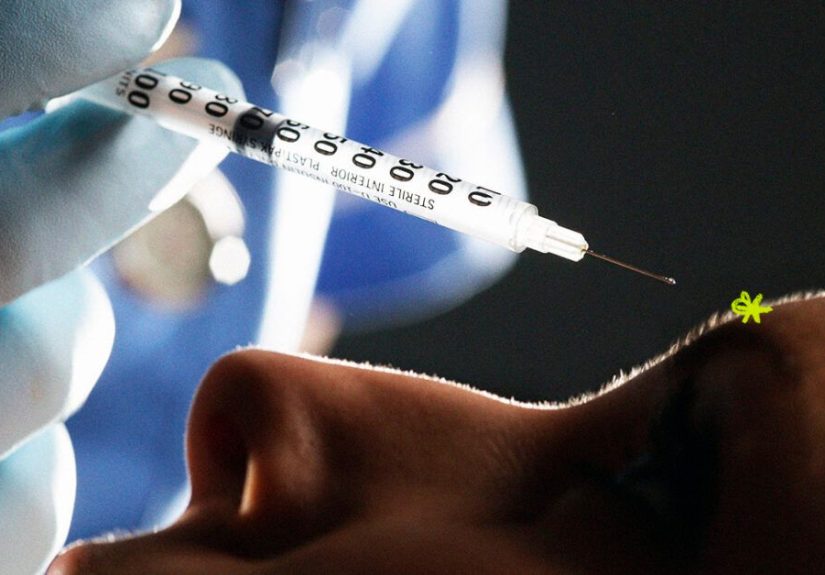
During the procedure, Botox is injected with a small needle into selected facial points. Some injections may be intradermal, subcutaneous, or near muscles depending on the specialist’s approach. Treatment is usually quick, although the planning matters more than the clock. This is definitely not the moment for bargain-bin injections in a back room next to a suspicious fern.
Patients may feel brief pinches, pressure, or mild burning. Afterward, they may be asked to avoid rubbing the area, strenuous activity, or lying flat for a short period, depending on the clinician’s instructions. Follow-up is important to track pain scores, attack frequency, side effects, and whether repeat treatment is worth considering.
How Long Does Botox Take to Work?
Some people report improvement within a few days, while others need one to two weeks or longer to notice a change. For neuropathic pain, doctors often look at patterns rather than one perfect day. Fewer attacks, lower pain intensity, shorter episodes, less fear of triggers, or improved ability to eat and brush teeth may all count as meaningful progress.
The benefit is temporary. Many Botox effects last around three months, although this varies. Some people may need repeat treatment if the first round helps and side effects are acceptable. Others may not respond enough to justify another session.
Possible Side Effects of Botox for Trigeminal Neuralgia
Side effects depend on dose, injection location, individual anatomy, and medical history. Many reported side effects are local and temporary, but serious risks are possible.
Common or Local Side Effects
Possible side effects include injection-site pain, swelling, bruising, redness, tenderness, headache, temporary facial weakness, facial asymmetry, drooping eyelid, dry eye, altered smile, difficulty chewing, or mild numbness. These effects may be annoying, especially if your smile temporarily looks like it is keeping a secret, but they often improve as the medication wears off.
Serious Side Effects
Botulinum toxin products carry warnings about distant spread of toxin effect. Rarely, symptoms can include generalized weakness, double vision, drooping eyelids, trouble speaking, trouble swallowing, breathing difficulty, or loss of bladder control. These symptoms can occur hours to weeks after injection. Anyone who develops swallowing, speech, or breathing problems after Botox should seek urgent medical care.
Allergic reactions are also possible. Warning signs may include hives, swelling, wheezing, dizziness, or severe shortness of breath. Serious reactions require immediate medical attention.
Benefits and Limitations
The potential benefit of Botox is that it may reduce facial pain without the daily systemic side effects of oral medications. It is also less invasive than surgery. For some patients, it may provide enough relief to eat, speak, sleep, or leave the house with less fear.
The limitations are just as important. Botox is not approved specifically for trigeminal neuralgia. It may not be covered by insurance. The response may be partial. Treatment must be repeated if it works. It may cause facial weakness or cosmetic changes. And it does not correct structural nerve compression when that is the main driver of classic trigeminal neuralgia.
Questions to Ask Your Doctor
Before trying Botox for trigeminal neuralgia, ask what type of trigeminal neuralgia you have, whether imaging suggests nerve compression, how Botox fits with your current medications, what dose and injection approach will be used, what side effects are most likely for your injection sites, and how success will be measured.
Also ask about cost and insurance authorization. Off-label treatments can create billing surprises, and nobody wants facial pain plus a paperwork migraine.
Experience-Based Guide: What Patients Often Want to Know
Living with trigeminal neuralgia can make ordinary routines feel strategic. People often plan meals around pain windows, brush teeth with the caution of someone defusing a tiny mint-flavored bomb, and avoid social events because laughing, talking, or a cold breeze might trigger pain. When Botox enters the conversation, the emotional response is often a mix of hope, skepticism, and “Wait, the wrinkle stuff?”
A realistic Botox experience starts before the injection. Many patients arrive after trying medications that helped but caused fatigue, dizziness, or mental fog. Some say the pain improved, but they felt too sedated to function normally. Others have pain that breaks through despite medication. In these situations, Botox may feel appealing because it is localized and does not require taking another daily pill. Still, a good clinician will frame it carefully: the goal is improvement, not a guaranteed cure.
During the first visit, patients may be surprised by how much mapping matters. A specialist may ask them to point to the exact path of pain: upper lip, cheek, jaw, gum, nose, temple, or forehead. They may discuss whether the pain is triggered by touch, chewing, talking, cold air, or dental care. This detective work helps guide injection placement. The appointment can feel oddly validating because the pain pattern finally gets treated like useful data instead of an invisible mystery.
The procedure itself is usually faster than expected. The needle is small, and each injection may feel like a quick pinch. For people with trigger zones, even gentle contact can be stressful, so doctors may move slowly and explain each step. Some patients feel anxious not because the injections are unbearable, but because their face has become a no-fly zone. A calm, experienced injector makes a major difference.
After treatment, the waiting period can be mentally tricky. Botox does not always work overnight. A patient might have a painful attack the next day and think, “Well, that was useless.” But many clinicians evaluate response over days to weeks. A pain diary can help. Instead of relying on memory, patients can track attack count, pain intensity, triggers, medication use, and daily activities. Sometimes the first sign of benefit is subtle: brushing teeth becomes possible, lunch takes less courage, or the person stops flinching every time a breeze appears like a tiny villain.
Side effects can shape the experience too. Temporary facial weakness may be emotionally frustrating even if medically mild. A slightly uneven smile or heavy cheek can feel very noticeable to the patient. Chewing fatigue may matter if injections affect areas near jaw muscles. This is why communication matters before treatment. Patients should know what changes are possible, how long they may last, and when to call the office.
For some, Botox becomes a helpful bridge. It may reduce attacks enough to stabilize life while they consider surgery, adjust medication, or wait for specialist care. For others, it becomes part of a repeat treatment plan every few months. And for some, it simply does not help enough. That outcome is disappointing but still informative. Trigeminal neuralgia treatment often requires step-by-step problem solving, and one unsuccessful option does not mean the toolbox is empty.
The most important experience lesson is this: do not pursue Botox for trigeminal neuralgia casually. Choose a clinician who understands facial pain, trigeminal nerve anatomy, and botulinum toxin safety. Avoid anyone promising instant cures, permanent results, or suspiciously cheap injections. With a condition this intense, patients deserve careful medical planningnot a coupon and crossed fingers.
Conclusion
Botox for trigeminal neuralgia is an off-label option that may help selected patients reduce facial pain attacks, especially when standard medications are ineffective or difficult to tolerate. Research is promising but still limited, and there is no single FDA-approved Botox protocol for trigeminal neuralgia. The treatment should be performed by a qualified medical professional who understands neuropathic facial pain and can weigh Botox against medications, nerve blocks, and surgical options.
For the right person, Botox may offer meaningful relief and a little breathing room from the lightning-bolt pain of trigeminal neuralgia. For others, it may be only one stop on a longer treatment road. Either way, the decision should be guided by diagnosis, evidence, safety, and an honest conversation with a specialist.
Note: This article is for general educational purposes only. It is not medical advice, diagnosis, or treatment. People with facial pain, suspected trigeminal neuralgia, medication side effects, or symptoms after Botox injections should consult a licensed healthcare professional promptly.