Table of Contents >> Show >> Hide
- What Is the Swedish Kontiki Sofa?
- The Arne Norell Story: Swedish Craft With an Adventurous Soul
- Why the Kontiki Sofa Looks Different From Ordinary Leather Sofas
- Materials: Beech, Teak, Leather, Brass, and Canvas
- Swedish Kontiki Sofa Dimensions and Room Fit
- How to Style a Swedish Kontiki Sofa
- Buying a Vintage Swedish Kontiki Sofa
- New Production vs. Vintage Kontiki: Which Is Better?
- How to Care for a Swedish Kontiki Sofa
- Why the Swedish Kontiki Sofa Remains Desirable
- Common Mistakes to Avoid
- Experience Section: Living With a Swedish Kontiki Sofa
- Conclusion
The Swedish Kontiki Sofa is the kind of furniture piece that quietly walks into a room, takes off its leather jacket, and makes every other sofa feel slightly underdressed. Designed by Swedish furniture designer Arne Norell, the Kontiki sofa blends Scandinavian restraint with safari-style construction: wood, leather, straps, buckles, visible structure, and a relaxed confidence that says, “Yes, I am comfortable, but I also know a thing or two about design history.”
For homeowners, collectors, interior designers, and vintage furniture hunters, the Kontiki is more than a leather sofa. It is a Swedish mid-century modern statement piece with a distinctive personality. It does not rely on heavy ornament or oversized cushions to get attention. Instead, it uses honest materials, balanced proportions, and clever construction. Think of it as the sofa equivalent of a well-tailored linen suit: practical, timeless, and somehow cooler the longer you look at it.
This in-depth guide explores the history, design, materials, styling ideas, buying tips, care advice, and real-life experience of owning or decorating with a Swedish Kontiki Sofa.
What Is the Swedish Kontiki Sofa?
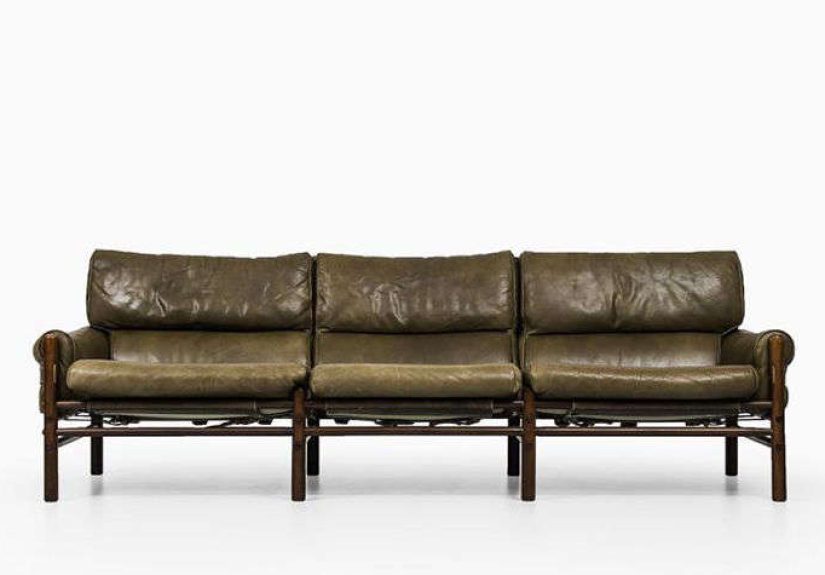
The Swedish Kontiki Sofa is a mid-century modern seating design associated with Arne Norell, a Swedish designer known for combining comfort, craftsmanship, and material honesty. The sofa is often described as a safari-inspired piece because of its visible leather straps, buckles, and wooden frame. Unlike many upholstered sofas that hide their structure under fabric and foam, the Kontiki proudly shows how it is made.
Most vintage examples feature a solid wood frame, commonly beech or teak depending on production period and market, paired with leather cushions and strap-supported construction. Brass buckles and leather belts are not merely decorative; they help create the sofa’s adventurous, travel-ready character. It looks like something that could belong in a Stockholm loft, a desert lodge, a modern ranch house, or a very stylish reading corner where the coffee is strong and the opinions are stronger.
The Arne Norell Story: Swedish Craft With an Adventurous Soul
Arne Norell was not a designer who treated comfort as an afterthought. His furniture often feels relaxed, usable, and human. He worked with wood, leather, fabric, and metal, creating pieces that balanced Scandinavian clarity with international inspiration. The Kontiki sofa fits perfectly into that philosophy.
While Scandinavian design is often associated with pale woods, clean lines, and minimalist interiors, Norell added something warmer and more tactile. His best-known pieces often include leather, strong frames, and construction details you can actually see. That matters because the Swedish Kontiki Sofa is not trying to disappear into the background. It is clean, yes, but never boring. It has structure. It has texture. It has a little bit of drama without shouting across the room.
Why the Kontiki Sofa Looks Different From Ordinary Leather Sofas
Plenty of leather sofas are comfortable. Plenty are expensive. Not all are memorable. The Kontiki stands out because its design is built around tension, contrast, and exposed craftsmanship.
1. The Safari Furniture Influence
Safari-style furniture was historically designed to be portable, practical, and durable. It often used straps, collapsible frames, and natural materials. The Kontiki borrows that visual language and turns it into refined Swedish seating. The result is a sofa that feels both rugged and elegant. It has the spirit of campaign furniture but the polish of Scandinavian design.
2. Visible Leather Straps and Buckles
The leather straps and brass buckles are among the most recognizable features of the Swedish Kontiki Sofa. They add visual rhythm to the frame and make the sofa look engineered rather than merely upholstered. These details also create a handcrafted feel that modern mass-market furniture often lacks.
3. A Wooden Frame With Architectural Presence
Instead of hiding the frame, the Kontiki celebrates it. Beech and teak versions bring warmth, grain, and structure to the room. The frame gives the sofa a lighter profile than bulky fully upholstered couches, making it useful in apartments, open-plan living rooms, offices, and design-forward interiors.
4. Leather That Ages With Character
Leather is central to the Kontiki’s charm. Vintage examples often show patina, creasing, tonal variation, and signs of life. For some buyers, this is exactly the point. A Swedish Kontiki Sofa with honest wear can feel more soulful than a brand-new couch trying too hard to look “perfect.” Patina is basically furniture’s version of a good laugh line.
Materials: Beech, Teak, Leather, Brass, and Canvas
The classic Kontiki design is closely associated with natural materials. This is one reason it works so well in Scandinavian, mid-century modern, Japandi, rustic modern, and eclectic interiors.
Beech Wood
Beech is a strong, fine-grained hardwood commonly used in furniture frames. It can be stained in different finishes, allowing the Kontiki to shift from light and casual to dark and dramatic. A dark-stained beech frame with black leather feels bold and architectural, while a lighter frame with cognac leather feels warmer and more relaxed.
Teak Versions
Some vintage Kontiki examples are described with teak frames, particularly pieces linked to specific production runs or licensed manufacturing. Teak gives the sofa a slightly richer, more tropical mid-century feeling. It pairs beautifully with brown, tan, olive, black, or rust leather.
Aniline and Semi-Aniline Leather
Aniline leather is prized for its natural feel, softness, and visible grain. It is also more sensitive than heavily coated leather, which means it needs respectful care. Semi-aniline leather may offer a little more protection while retaining much of the natural character. Either way, leather on a Kontiki should not be treated like plastic. It needs dusting, gentle cleaning, conditioning, and protection from harsh sunlight.
Brass Buckles
Brass hardware adds warmth and a subtle metallic accent. Over time, brass can develop patina, which often enhances the vintage appeal. If polished too aggressively, it may lose some of that aged charm, so restraint is your friend. As with many good things in interior design, the secret is knowing when to stop.
Swedish Kontiki Sofa Dimensions and Room Fit
Dimensions vary by model, production period, and whether the piece is a two-seat or three-seat version. Many three-seat examples are around 90 inches wide, roughly 29 to 30 inches high, and about 34 to 36 inches deep. Two-seat versions are naturally shorter, often closer to loveseat proportions.
Before buying a Swedish Kontiki Sofa, measure carefully. Do not only measure the wall. Measure doorways, elevators, stair turns, hallway angles, and the path into the room. A sofa can look elegant in photos and still behave like a stubborn moose when you try to move it through a narrow staircase.
How to Style a Swedish Kontiki Sofa
The Swedish Kontiki Sofa is versatile, but it looks best when the rest of the room respects its materials and silhouette. It can work as the main seating piece in a living room, a sophisticated office sofa, a boutique hotel lounge piece, or a collector’s highlight in a mid-century modern interior.
For a Scandinavian Living Room
Pair the sofa with light walls, wool rugs, linen curtains, and simple wooden tables. Keep the color palette calm: warm white, oatmeal, soft gray, muted green, and natural brown. This allows the leather and frame to become the focal point without overwhelming the room.
For a Mid-Century Modern Space
Use the Kontiki with sculptural lighting, vintage side tables, a low-profile coffee table, and art with strong geometric forms. The sofa’s leather and wood combination complements classic mid-century materials without feeling like a museum display.
For a Rustic Modern Interior
A brown leather Kontiki can look outstanding with stone, plaster, reclaimed wood, and woven textures. Add a chunky wool throw, a ceramic lamp, and a simple black metal side table. The result feels grounded and grown-up, but not stiff.
For an Eclectic Home
If your style is more layered, the Kontiki can still shine. Mix it with patterned rugs, art books, plants, vintage lamps, and global textiles. The clean frame keeps the room from looking chaotic, while the leather adds warmth.
Buying a Vintage Swedish Kontiki Sofa
Buying a vintage Kontiki is exciting, but it requires attention to detail. Because these sofas are collectible, prices can vary widely depending on authenticity, condition, originality, materials, provenance, dealer reputation, and restoration quality.
Check the Frame
Look for cracks, loose joints, uneven legs, or signs of poor repair. The frame is the backbone of the sofa. Beautiful leather will not save a weak structure. If the frame wobbles more than your confidence during tax season, keep asking questions.
Inspect the Leather Straps
The straps are essential to the Kontiki look and function. Check for dryness, cracking, stretching, replaced hardware, or mismatched leather. Replaced straps are not always a deal-breaker, but they should be disclosed and well executed.
Evaluate the Cushions
Original leather cushions can be valuable, especially if they are in good condition. However, some sofas have been reupholstered. Good restoration can make a piece more usable, but poor reupholstery can flatten the design’s character. Look for appropriate leather weight, stitching quality, cushion shape, and comfort.
Ask About Attribution
Some listings say “attributed to Arne Norell,” while others identify the piece as produced by Norell Möbel AB or another licensed maker. The wording matters. If authenticity is important to you, ask for labels, stamps, documentation, dealer history, and clear photos of construction details.
Compare Market Prices
Vintage Kontiki sofas can appear at different price points, from several thousand dollars to significantly higher amounts for rare, restored, or exceptional examples. Compare multiple listings before buying. A low price may be a lucky find, but it may also mean condition issues, uncertain attribution, or expensive restoration ahead.
New Production vs. Vintage Kontiki: Which Is Better?
There is no universal winner. A new Kontiki-style piece from the original design lineage may offer cleaner condition, customization options, and fewer surprises. A vintage Swedish Kontiki Sofa may offer patina, collectible value, and the thrill of owning a piece with history.
Choose vintage if you love aged leather, original details, and design provenance. Choose newer production if you want fewer maintenance worries, specific leather colors, and a more predictable buying experience. Either way, the Kontiki’s appeal comes from its blend of utility, craftsmanship, and character.
How to Care for a Swedish Kontiki Sofa
Because the Kontiki uses natural materials, care should be gentle and consistent. The goal is not to make it look factory-new forever. The goal is to help it age gracefully.
Leather Care
Dust the leather regularly with a soft, dry cloth. For light cleaning, use products made specifically for leather, and always test first in a hidden area. Avoid soaking aniline leather, spraying cleaner directly onto cushions, or using harsh household chemicals. Condition the leather periodically with a suitable leather conditioner, especially in dry climates or homes with strong sunlight.
Wood Frame Care
Dust the frame with a soft cloth and avoid excessive moisture. If the wood looks dry, consult a professional or use a product appropriate for the finish. Do not assume every wood oil is safe for every vintage finish. That little bottle under the sink may have confidence, but confidence is not chemistry.
Hardware Care
Brass buckles can be gently wiped with a dry cloth. If you polish them, do so carefully. Many collectors prefer natural brass patina because it supports the vintage look.
Placement Tips
Keep the sofa away from direct afternoon sunlight, heat vents, fireplaces, and damp areas. Rotate cushions if possible. Use throws if pets are involved, unless your cat has already claimed the sofa and hired a lawyer.
Why the Swedish Kontiki Sofa Remains Desirable
The Swedish Kontiki Sofa remains desirable because it checks several boxes at once. It is collectible but usable. It is elegant but relaxed. It is minimal but not cold. It has design history, but it does not require a PhD in furniture studies to enjoy.
In a market filled with oversized sectionals and anonymous online sofas, the Kontiki offers identity. Its frame, straps, cushions, and buckles create a recognizable silhouette. It can anchor a room without making the space feel heavy. It also works across design styles, which makes it easier to live with than many statement pieces.
Common Mistakes to Avoid
Buying Only for Looks
A Swedish Kontiki Sofa should be beautiful, but it should also be structurally sound and comfortable enough for your needs. Sit on it if possible, or ask for detailed cushion and frame information.
Ignoring Restoration Costs
Leather repair, cushion replacement, strap work, and frame restoration can be expensive. A cheaper sofa may become costly if it needs major work.
Over-Styling the Room
The Kontiki already has strong details. Let it breathe. Too many competing statement pieces can turn the room into a design shouting match.
Using the Wrong Cleaners
Do not clean fine leather with random soaps, vinegar hacks, or mystery sprays from the back of a cabinet. Use leather-safe products and professional help when needed.
Experience Section: Living With a Swedish Kontiki Sofa
Living with a Swedish Kontiki Sofa is a little different from living with a typical couch. A typical couch often disappears into the routine of daily life. You sit, you scroll, you spill popcorn, you promise yourself you will vacuum under the cushions next weekend. The Kontiki, however, has presence. It makes you notice the room. It makes guests ask questions. It makes even a simple cup of coffee feel slightly more curated.
The first experience many people have with the Kontiki is visual. The exposed frame gives the sofa an airy feel, so even a three-seat version does not necessarily dominate a room the way a bulky sectional might. In a smaller apartment, that visual lightness can be a major advantage. You still get real seating, but the room does not feel swallowed by upholstery. The open sides and visible legs allow light and shadow to move around the piece, which helps the space feel more breathable.
Comfort is another interesting part of the experience. The Kontiki is not a marshmallow sofa that absorbs your entire body and then refuses to give it back. It feels more structured. The cushions support rather than engulf. For reading, conversation, or enjoying a drink with friends, that can be ideal. It encourages an upright but relaxed posture. It feels like furniture made for adults who enjoy comfort but still want to be able to stand up gracefully.
The leather changes the experience over time. Newer leather may feel taut and refined, while vintage leather brings softness, wrinkles, color variation, and personality. Owners often grow attached to these changes. A mark on the leather is not always a tragedy; sometimes it becomes part of the sofa’s biography. Of course, there is a difference between beautiful patina and damage. A gentle crease is charming. A giant untreated water stain shaped like a confused continent is less charming.
In daily use, the Kontiki works best when treated with a little respect. It is not fragile, but it is not the best landing pad for wet swimsuits, muddy dogs, or children holding grape juice with the confidence of stunt drivers. Add a wool throw, use side tables for drinks, and keep a soft cloth nearby for quick dusting. These small habits help preserve the materials without turning your living room into a velvet-rope museum.
Styling the sofa can also be surprisingly enjoyable. A brown leather Kontiki with a natural wood frame pairs beautifully with cream walls, a textured rug, and a low coffee table. A black leather version can feel sharper and more architectural, especially with metal lighting and abstract art. Olive or green leather examples bring a quietly dramatic mood, particularly in rooms with plants, stone, or darker wood tones.
The best part of owning or decorating with a Swedish Kontiki Sofa is that it rarely feels trendy. It has already survived decades of changing taste. It does not need to chase the latest interior design mood because it has strong bones, useful proportions, and honest materials. That is the magic of good Scandinavian furniture: it does not beg for attention, yet somehow becomes the piece everyone remembers.
Conclusion
The Swedish Kontiki Sofa is a remarkable example of Scandinavian design with a rugged, safari-inspired twist. Designed by Arne Norell, it combines a visible wooden frame, leather cushions, strap construction, and brass details into a sofa that feels both elegant and adventurous. It is not just seating; it is a design object with real everyday usefulness.
For collectors, the Kontiki offers history and character. For homeowners, it offers warmth, comfort, and style. For interior designers, it provides a strong focal point that can work in minimalist, rustic, mid-century, and eclectic spaces. Whether purchased as a vintage Swedish Kontiki Sofa or considered through newer production options, the piece rewards careful buying, thoughtful placement, and proper care.
If you want a sofa that looks refined without being stiff, relaxed without being sloppy, and historic without feeling dusty, the Kontiki deserves a serious look. It is proof that great furniture does not need to shout. Sometimes, it just needs good leather, honest wood, a few brass buckles, and the confidence to show how it is made.
Note: Before purchasing a vintage Swedish Kontiki Sofa, verify dimensions, condition, attribution, restoration history, shipping cost, and return policy with the seller. Individual vintage pieces can vary significantly in materials, finish, comfort, and authenticity.