Table of Contents >> Show >> Hide
- What “Adjustable Handle” Actually Means (and Why It Matters)
- Hard Shell 101: What Makes a Suitcase “Hard Shell”?
- Shell Materials: Polycarbonate vs. ABS vs. Polypropylene vs. Aluminum
- Adjustable Handle Design: The Details That Separate “Solid” From “Wobbly”
- Wheels + Handle = How Your Suitcase “Drives”
- Size, Fit, and Airline Reality Checks
- Features That Pair Well With a Great Adjustable Handle
- Durability: What to Look for if You Actually Travel (Not Just Pose With Luggage)
- Buying Checklist: The “Yes, This One” Test
- Care and Troubleshooting: Keep the Handle Smooth and the Shell Looking Sharp
- Conclusion: The Best Adjustable Handle Hard Shell Suitcase Is the One That Fits You
- Real-World Experiences: What Travelers Notice After the First Trip (and the Fifth)
A hard shell suitcase with an adjustable handle sounds like a small detailuntil you’re power-walking through an airport like you’re late to your own wedding, one hand on a coffee, the other trying to steer a suitcase that’s either too low (hello, shoulder crank) or too high (why are my wrists doing yoga?). The truth: the handle is your steering wheel. The shell is your armor. And when both are designed well, travel gets a lot less… dramatic.
This guide breaks down what an adjustable handle hard shell suitcase really is, what to look for (and what to side-eye), how materials affect durability, and why “smooth roll” isn’t marketing fluffit’s a quality-of-life upgrade.
What “Adjustable Handle” Actually Means (and Why It Matters)
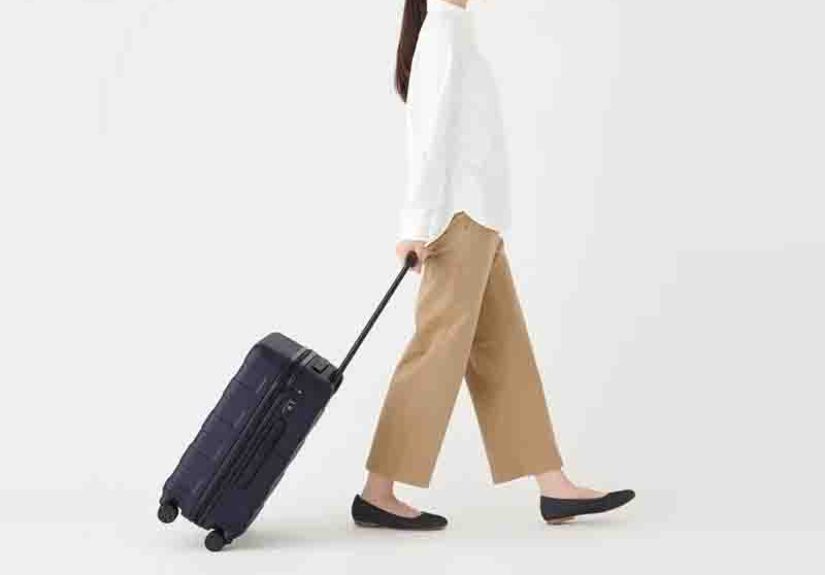
Most modern suitcases use a telescoping (a.k.a. trolley) handle that slides up from the back of the suitcase and locks into place. “Adjustable” means it has multiple stopping pointsnot just up or downso travelers of different heights can pull comfortably without hunching, shrugging, or dragging the case behind them like a stubborn pet.
Comfort isn’t just comfortit’s control
A handle that fits your height helps you keep your elbow relaxed, your wrist neutral, and the suitcase tracking straight. That reduces fatigue and makes it easier to navigate tight turns, jet bridges, uneven sidewalks, and the dreaded “airport carpet” that feels like it was designed by someone who hates wheels.
More handle positions usually beats “two and done”
Not all adjustable handles are equally adjustable. Some offer only two positions, while others provide more stop heights for fine-tuning. More positions can mean a better fit for taller or shorter travelersespecially if you switch between pulling and pushing depending on the terrain.
Hard Shell 101: What Makes a Suitcase “Hard Shell”?
A hard shell suitcase (also called hardside luggage) uses a rigid outer body designed to protect your belongings from impact, compression, and rough handling. If you’ve ever watched baggage handlers operate with the tenderness of a medieval catapult, you already understand the appeal.
Hard shells are especially useful when you’re packing fragile items (souvenirs, cosmetics, electronics) or when you want better protection from rain and spills. The flip side: hardside cases can scuff, and they sometimes offer less exterior organization than soft-sided luggage. It’s a trade-offbut a manageable one.
Shell Materials: Polycarbonate vs. ABS vs. Polypropylene vs. Aluminum
The shell material affects weight, durability, scratch resistance, and price. Here’s the practical breakdown for real-life travelnot a lab fantasy where suitcases glide gently across velvet.
Polycarbonate: the popular “sweet spot”
Polycarbonate is widely favored because it balances strength with manageable weight. It tends to flex under impact rather than crack, which is great for surviving overhead bin battles and baggage carousel chaos. Many midrange-to-premium hardside suitcases use polycarbonate for that reason.
ABS: lighter and budget-friendly, but less rugged
ABS plastic is common in more affordable hard shell luggage. It’s often lighter and cheaper, but may show wear soonerespecially scratches and dentsif you travel frequently or check your bag often. ABS can work well for occasional trips, but heavy use may highlight its limits.
Polypropylene: light and resilient, with its own personality
Polypropylene can be lightweight and tough, sometimes with good impact resistance. Depending on the design and finish, it may not have the same “rigid protection” feel as polycarbonate, but it’s a solid option when weight matters and you still want a hard shell.
Aluminum: durable, premium, and not shy about the scale
Aluminum luggage is known for durability and security, but it’s typically heavier and more expensive. It can also show dents as “character.” If you love that look and don’t mind the weight, it’s a statement piece that can take a beatingsometimes literally.
Adjustable Handle Design: The Details That Separate “Solid” From “Wobbly”
Stages and stop heights
Telescoping handles are often described by “stages” (like 2-stage or 3-stage). In plain English: stages indicate how the tubes extend and how many distinct locked heights you get. More stop heights can help you dial in comfortespecially if you’re tall, short, or simply picky (which is valid).
Handle wobble: when your suitcase feels like it had three espressos
Some telescoping handles feel sturdy; others feel a bit loose or wobbly, especially when fully extended. A little play is normal, but excessive wobble can make steering harder and can feel cheap. It may also be more noticeable when the suitcase is heavy or overpacked.
Tube material and build quality
Many quality handles use aluminum tubing to keep weight down while maintaining rigidity. Higher-end models may emphasize reinforced construction, smoother extension, and better locking mechanisms to reduce jamming and improve stability over time.
Grip matters more than you think
A comfortable grip reduces hand fatigue, especially when you’re moving quickly or navigating uneven ground. Look for designs that feel natural in your palm. Rubberized touchpoints, contoured shapes, or ergonomic grips can make a noticeable difference on long travel days.
Wheels + Handle = How Your Suitcase “Drives”
Even the best adjustable handle can’t save a suitcase with wheels that sound like shopping cart wheels from 1997. For most travelers, the best pairing is: an adjustable telescoping handle + 360-degree spinner wheels.
Spinner wheels
Spinner wheels rotate in all directions, making it easier to roll beside you in crowded terminals. They’re especially helpful when you don’t want the suitcase trailing behind you (and clipping ankles like it’s collecting frequent flyer miles in chaos).
Two-wheel rollers
Two-wheel luggage can be more stable on rough surfaces and is often favored by travelers who frequently encounter cobblestones or uneven sidewalks. But it typically requires pulling at an angle, which can make handle height even more important.
Size, Fit, and Airline Reality Checks
Before you fall in love with a sleek carry-on, remember: airlines measure the total exterior size, including wheels and handles. For many U.S. airlines, a common carry-on limit is 22 x 14 x 9 inches (again, including wheels/handles). Always verify your specific airline and fare class, because rules and enforcement can vary.
How to measure correctly
Measure height from the ground to the top (including wheels and any handle that doesn’t fully retract), then width and depth at the widest points. If the suitcase expands, measure it expanded toobecause gate agents do not care that it was “only expanded emotionally.”
Features That Pair Well With a Great Adjustable Handle
Expandable capacity
Some hard shell suitcases include expansion zippers for extra space. Expansion can be a lifesaver for return trips (souvenirs multiply in the dark), but it may affect carry-on compliance depending on airline rules.
Interior compression and organization
Many hardside cases offer zippered dividers, compression panels, or built-in pockets to keep items from shifting. If you pack for efficiency, these features help maintain order and reduce wrinkling.
TSA-accepted locks
If you travel through U.S. airports, consider a TSA-accepted lock (often marked with Travel Sentry or similar branding). These locks can be opened by TSA with a master key for inspection and relocked without cutting your lock offbecause “security” shouldn’t require bolt cutters. Note: a TSA-accepted lock improves convenience, not absolute security.
Zippers vs. latches
Many hard shell suitcases use zippers; some use latch closures (more common in aluminum-style cases). Zippers are lighter and flexible, while latches can feel more secure and structured but may add weight. If you choose zippers, pay attention to zipper quality and smooth operation.
Durability: What to Look for if You Actually Travel (Not Just Pose With Luggage)
Durability comes from the whole system: shell material, corner protection, wheel quality, handle stability, and build consistency. Testing from major reviewers often emphasizes impact resistance, ease of rolling, and long-term usabilitybecause luggage doesn’t fail politely. It fails at the curb when your rideshare is waiting.
Corner guards and textured finishes
Corners take the most abuse. Reinforced corners or protective guards can help reduce cracking and cosmetic damage. Textured shells may also hide scratches better than glossy finishes (gloss looks amazing until it meets a concrete pillar).
Warranty and repair support
A solid warranty can be a deciding factor, especially if you travel often. Wheels and handles are common wear points, and repairability matters. Some brands offer robust repair programs and replacement partshelpful when the suitcase is otherwise perfectly fine but one component is acting up.
Buying Checklist: The “Yes, This One” Test
- Handle comfort: Multiple stop heights, secure lock, minimal wobble, comfortable grip.
- Shell material: Polycarbonate for balanced durability; ABS for budget/occasional use; aluminum for premium durability (and weight).
- Wheel performance: Smooth roll, stable tracking, easy turning, quiet operation.
- Carry-on compliance: External dimensions include wheels/handles; expansion can change the math.
- Interior function: Compression straps/dividers that match how you pack.
- Security basics: TSA-accepted lock if helpful, plus a zipper strategy (or latch style) you trust.
- Warranty/repairs: Clear coverage for wheels and handles, with realistic support options.
Care and Troubleshooting: Keep the Handle Smooth and the Shell Looking Sharp
If the telescoping handle sticks or won’t lock
First, check for overpacking: bulging interiors can press into the handle tubes. Next, inspect for grit or debris around the rails. A gentle cleaning around the tracks can help. If the handle still jams or won’t lock securely, it may be a manufacturing issue or wear that’s best handled through warranty supportespecially if the suitcase is new.
Reduce scuffs without losing your mind
Hard shells scuff. That’s not a character flaw; it’s physics. A soft cloth and mild soap often works for everyday marks. For cosmetic protection, some travelers use luggage coversparticularly with glossy finishes.
Wheel maintenance (because tiny rocks love luggage)
If the suitcase starts rolling rough, check for hair, thread, or debris caught in wheel housings. Carefully remove what you can, and test again. Wheels are replaceable on many models, and repair support is a big deal if you travel regularly.
Conclusion: The Best Adjustable Handle Hard Shell Suitcase Is the One That Fits You
The “best” suitcase isn’t just about brand or priceit’s about fit. A truly great adjustable handle hard shell suitcase matches your height, your travel style, and your tolerance for carry-on rules. Prioritize a stable telescoping handle with useful stop heights, a durable shell material (often polycarbonate), and wheels that roll smoothly without drama. Do that, and your suitcase becomes a toolnot another travel problem to manage.
Real-World Experiences: What Travelers Notice After the First Trip (and the Fifth)
If you ask frequent travelers what they remember most about a suitcase, they rarely say “the marketing copy.” They talk about how it behaved in real life: the sprint, the curb, the escalator bottleneck, the hotel lobby marble floor, and that one sidewalk that apparently qualifies as an off-road trail. Here are common real-world experiences people report when switching to a better adjustable-handle hard shell suitcaseand the little surprises that come with it.
1) The “Oh, my shoulders are relaxed” moment
Travelers who used to drag a too-low handle often notice the upgrade instantly: with the handle set to a comfortable height, their arm isn’t locked straight, and their shoulder stops creeping up toward their ear. It sounds minor until you’ve walked a half mile inside a terminal. The best part is consistency: when the handle locks firmly at the right height, you can steer with less effort and you don’t feel like you’re doing a suitcase-based workout. Tall travelers especially appreciate multiple handle stopsbecause “fully extended” isn’t always “actually comfortable.”
2) The wobble test in the wild
In a store, a slightly wobbly handle can seem “fine.” In an airport, when the bag is packed and you’re turning corners around distracted crowds, that wobble feels louderemotionally, at least. People often describe a sturdy handle as “confident” and a wobbly one as “nervous.” If you’ve ever felt your suitcase lag behind your steering input, you know the vibe. Some travelers adapt by pushing the suitcase beside them on spinner wheels, which reduces strain on the handle. Others swear by models that feel rock-solid even when fully extended.
3) The curb is where suitcases reveal their true personality
Airport curbs and parking garages are ruthless. That’s where hard shells earn their keep: the case resists compression when it bumps into edges, and you’re less likely to worry about fragile items. Travelers who pack toiletries or gifts often like the “protective box” feeling of hardside luggage. But they also learn quickly that hard shells show scuffs. The first mark can be mildly heartbreaking, like the first scratch on a new phone. By the third, you either buy a coveror you embrace the “I travel” patina.
4) Overhead bins: the lift-and-twist reality
Many travelers say they didn’t think about grab handles until they started lifting carry-ons frequently. A good telescoping handle helps you roll, but overhead bins require lifting and rotating. People appreciate sturdy top and side handles (and sometimes an underside grab handle) because it makes the “up, in, shove, pray” motion more controlled. This is where a well-designed hard shell can feel both easier and harder: easier because the structure is predictable, harder because the bag may be heavier than expectedespecially in aluminum models or overbuilt cases.
5) Packing discipline changes (for better or worse)
Soft-sided luggage forgives overpacking; hard shells negotiate. Travelers often report becoming better packers with hardside suitcases: they use compression panels, they fold more strategically, and they stop bringing “just in case” items that never leave the suitcase anyway. On the flip side, if your hard shell expands, you may feel tempted to treat expansion like a personal challenge. That’s how people end up with a suitcase that closes only if you sit on it like you’re auditioning for a circus act. The experienced move is to expand on the return trip only, and measure carefully so you don’t accidentally upgrade yourself into a checked-bag fee.
6) The “my suitcase follows me” satisfaction
When the wheels are smooth and the handle height is right, the suitcase feels like it’s cooperating. Travelers describe it as “gliding,” “tracking straight,” or “not fighting me.” That’s the dream. The suitcase becomes backgroundso you can focus on your trip instead of managing gear. And honestly, any travel product that disappears into competence is a win.