Table of Contents >> Show >> Hide
- Understanding the Goal of Dementia Treatment
- Medications for Dementia Symptoms
- Newer Alzheimer’s Treatments: Anti-Amyloid Therapy
- Treating Behavioral and Psychological Symptoms
- Therapeutic Treatments for Dementia
- Lifestyle Strategies That Support Brain Health
- Home Safety and Daily Care Planning
- Caregiver Support Is Part of Treatment
- How Treatment Changes by Dementia Type
- Questions to Ask the Doctor About Dementia Treatment
- Real-Life Experiences and Practical Lessons From Dementia Care
- Conclusion
Dementia treatment is not one single pill, appointment, or miracle brain smoothie hiding in the back of the refrigerator. It is a full care plan that may include medication, therapy, lifestyle support, safety changes, caregiver education, and regular medical follow-up. The goal is not only to manage memory loss, confusion, or behavior changes, but also to protect dignity, independence, comfort, and quality of life for as long as possible.
Dementia is an umbrella term for symptoms that affect memory, thinking, communication, judgment, and daily function. Alzheimer’s disease is the most common cause, but dementia can also be related to Lewy body disease, vascular brain changes, frontotemporal degeneration, Parkinson’s disease, traumatic brain injury, and other conditions. Because the causes differ, the best dementia treatment plan should be personalized. In other words, the brain deserves a tailored suit, not a one-size-fits-all poncho.
This guide explains the main dementia treatment options, including medications for memory symptoms, newer disease-modifying Alzheimer’s treatments, non-drug therapies, behavior management, lifestyle strategies, and caregiver support.
Understanding the Goal of Dementia Treatment
The first thing families should know is that most types of dementia do not currently have a cure. That does not mean treatment is pointless. Far from it. A well-built care plan may help a person function better, feel safer, reduce distress, manage behavior changes, and stay engaged in meaningful life activities.
Dementia treatment usually focuses on five major goals:
- Maintaining memory, thinking, and daily function as long as possible
- Managing mood, sleep, agitation, hallucinations, or anxiety
- Supporting communication, mobility, nutrition, and personal care
- Reducing safety risks at home, on the road, and with medications
- Helping caregivers avoid burnout and make confident decisions
Early diagnosis matters because some causes of cognitive symptoms are treatable or partly reversible. Medication side effects, vitamin deficiencies, thyroid disease, depression, sleep problems, infections, and uncontrolled chronic conditions can all worsen thinking. A medical evaluation can help separate dementia from look-alike problems and identify the right next step.
Medications for Dementia Symptoms
Several medications may help manage symptoms of Alzheimer’s disease and some related dementias. These drugs do not cure dementia, and they do not work the same way for everyone. However, for some people, they may modestly improve or stabilize thinking, memory, attention, or daily function for a period of time.
Cholinesterase Inhibitors
Cholinesterase inhibitors are commonly used for mild to moderate Alzheimer’s disease and may also be used in some cases of Lewy body dementia or Parkinson’s disease dementia. These medications work by increasing the availability of acetylcholine, a brain chemical involved in memory and learning.
Common examples include:
- Donepezil
- Rivastigmine
- Galantamine
Potential benefits may include better attention, improved ability to complete daily tasks, or slower symptom decline. Possible side effects can include nausea, diarrhea, appetite changes, vivid dreams, dizziness, or a slower heart rate. Families should report new symptoms to the prescribing clinician rather than quietly playing “medical detective” at home.
Memantine
Memantine is often used for moderate to severe Alzheimer’s disease. It affects glutamate, another chemical messenger involved in brain signaling. Memantine may help with memory, attention, language, and daily activities in some people. It is sometimes used alone and sometimes combined with a cholinesterase inhibitor.
Possible side effects may include dizziness, headache, constipation, or confusion. As with all dementia medication, the decision to start, continue, adjust, or stop memantine should be based on benefits, side effects, stage of disease, and care goals.
Newer Alzheimer’s Treatments: Anti-Amyloid Therapy
One of the biggest shifts in dementia treatment is the arrival of anti-amyloid monoclonal antibody therapies for early Alzheimer’s disease. These medications target beta-amyloid, a protein that forms plaques in the brains of people with Alzheimer’s disease.
Two FDA-approved examples include lecanemab and donanemab. These treatments are not for every person with dementia. They are intended for people in the early stage of Alzheimer’s disease, such as mild cognitive impairment due to Alzheimer’s or mild Alzheimer’s dementia, with evidence of elevated amyloid in the brain.
How Anti-Amyloid Treatments Are Given
Anti-amyloid treatments are given by intravenous infusion. Lecanemab is typically administered every two weeks, while donanemab is administered every four weeks. Before treatment, patients usually need specialized testing, such as amyloid confirmation through imaging or cerebrospinal fluid testing, plus brain MRI screening to evaluate safety risks.
Benefits and Limitations
These medications may slow decline in thinking and function for some people with early Alzheimer’s disease. They do not reverse dementia, cure Alzheimer’s, or restore lost memory like a deleted file recovered from a laptop. They are best understood as disease-modifying treatments that may slow progression in carefully selected patients.
They also require ongoing monitoring. A known risk is amyloid-related imaging abnormalities, often called ARIA, which can involve brain swelling or small areas of bleeding. Some people have no symptoms, while others may experience headache, confusion, dizziness, nausea, vision changes, or more serious complications. People taking blood thinners or those with certain genetic risk factors may need extra caution.
Because these therapies are complex, families should discuss eligibility, testing, infusion schedules, MRI monitoring, cost, insurance coverage, transportation, and personal goals with a neurologist or memory care specialist.
Treating Behavioral and Psychological Symptoms
Dementia can affect more than memory. Many people experience anxiety, depression, sleep disruption, agitation, paranoia, wandering, repetitive questions, hallucinations, or personality changes. These symptoms can be painful for the person living with dementia and exhausting for caregivers.
The first step is to look for triggers. A sudden change in behavior may be caused by pain, constipation, dehydration, infection, poor sleep, medication side effects, hunger, overstimulation, boredom, fear, or a confusing environment. Sometimes the “behavior problem” is actually the person’s best attempt to communicate a need.
Non-Drug Approaches First
For many behavior symptoms, non-drug strategies are recommended first. These may include:
- Keeping a predictable daily routine
- Reducing noise, clutter, and overstimulation
- Using calm, simple communication
- Offering meaningful activities
- Checking for pain, hunger, thirst, or bathroom needs
- Improving sleep habits and daytime movement
- Using reassurance instead of arguing over facts
For example, if a person repeatedly asks when dinner is, a caregiver might say, “Dinner is at six, and we are having soup,” then gently redirect them to folding towels, listening to music, or looking at family photos. Correcting the person ten times may be technically accurate, but it is rarely emotionally helpful. Dementia care is one area where winning the argument can still mean losing the afternoon.
When Medications May Be Considered
If symptoms are severe, dangerous, or deeply distressing, clinicians may consider medications. These may include antidepressants for depression or anxiety, sleep-related treatments when appropriate, or carefully selected medications for agitation or psychosis. Antipsychotic medications require special caution in older adults with dementia because they can increase serious risks. They are generally reserved for situations where non-drug strategies have not worked and symptoms create significant danger or suffering.
Any medication for behavior symptoms should be reviewed regularly. The care team should ask: Is it helping? Are there side effects? Can the dose be reduced? Is the original problem still present? Medication should support care, not replace understanding.
Therapeutic Treatments for Dementia
Therapy can be just as important as medication. A strong dementia treatment plan often includes professionals who help the person maintain abilities, adapt routines, and reduce daily frustration.
Occupational Therapy
Occupational therapy helps people continue daily activities as safely and independently as possible. An occupational therapist may recommend changes to the home, such as labels on drawers, improved lighting, grab bars, simplified clothing choices, safer kitchen setups, or routines for bathing and dressing.
For example, a person who struggles to make coffee may do better with a single-cup machine, labeled supplies, and a step-by-step picture card. The goal is not to prove what the person cannot do. The goal is to design the environment so success becomes easier.
Speech and Language Therapy
Speech-language pathologists can help with communication, memory supports, word-finding strategies, and swallowing problems. They may teach caregivers how to ask simpler questions, use visual cues, slow down conversations, and avoid overwhelming the person with too many choices.
Instead of asking, “What do you want to wear today?” a caregiver might offer two shirts and say, “Blue shirt or green shirt?” Fewer choices can reduce stress and make decision-making easier.
Physical Therapy
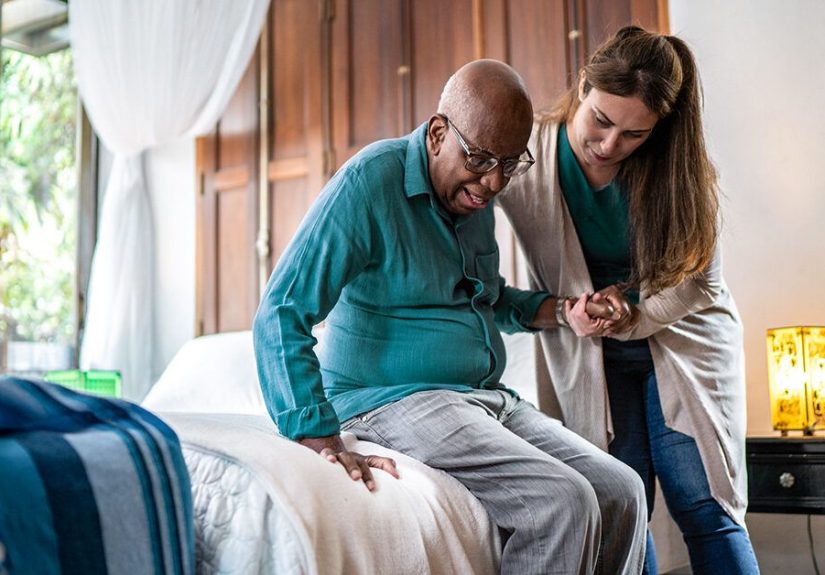
Physical therapy may support balance, strength, walking, flexibility, and fall prevention. This is especially important when dementia overlaps with movement problems, frailty, arthritis, stroke history, or Parkinson’s symptoms.
Safe movement can improve mood, sleep, appetite, and confidence. Even short walks, chair exercises, stretching, or supervised balance work may make daily life smoother.
Cognitive Stimulation and Meaningful Activities
Cognitive stimulation involves structured activities that engage memory, attention, language, and social connection. This might include music, puzzles, storytelling, art, gardening, cooking simple recipes, sorting objects, reading familiar poems, or discussing old photos.
The key word is meaningful. A retired mechanic may enjoy sorting tools. A former teacher may enjoy reading to a child. A lifelong gardener may light up when handling herbs or flowers. Dementia may change abilities, but it does not erase personality.
Lifestyle Strategies That Support Brain Health
Lifestyle changes are not magic shields against dementia progression, but they can support overall health and may help reduce complications. A dementia-friendly lifestyle should be realistic, safe, and enjoyable.
Physical Activity
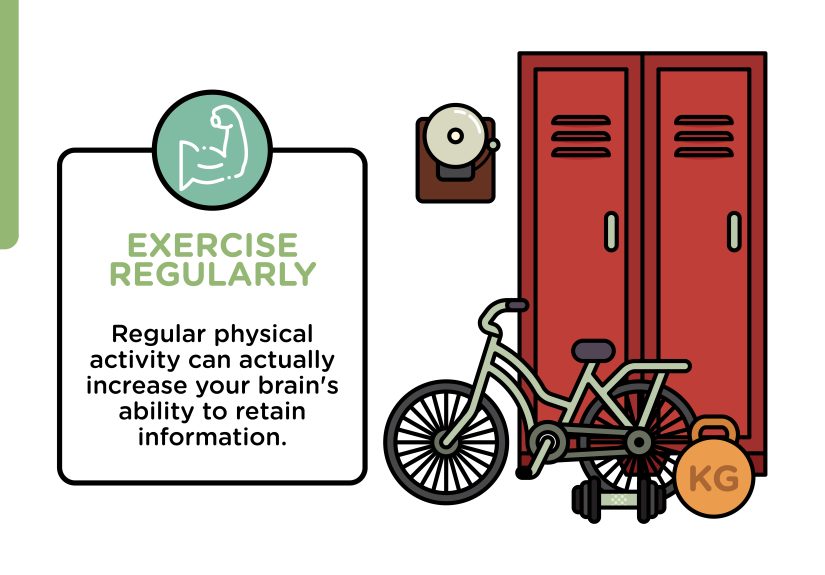
Regular movement can help support mood, sleep, circulation, strength, and balance. Walking, light stretching, dancing, gardening, chair exercises, or supervised group classes may be useful depending on the person’s abilities. The best exercise is the one the person will actually do without declaring war on the sneakers.
Nutrition and Hydration
People with dementia may forget meals, lose interest in food, develop swallowing problems, or become overwhelmed by complicated plates. Simple, nutritious meals and regular hydration can help. Finger foods, smaller portions, familiar flavors, and calm dining environments often work better than large meals with too many choices.
Sleep Support
Sleep problems are common in dementia. A consistent bedtime routine, morning sunlight, daytime activity, limited naps, and reduced evening caffeine may help. Nightlights, clear pathways, and bathroom safety are also important. If sleep changes are sudden or severe, a clinician should check for pain, medication effects, sleep apnea, restless legs, depression, or infection.
Managing Other Health Conditions
High blood pressure, diabetes, hearing loss, vision problems, depression, heart disease, and medication side effects can all affect thinking and function. Good dementia care includes regular primary care, medication reviews, hearing and vision support, dental care, vaccinations, and treatment of pain.
Home Safety and Daily Care Planning
Safety planning is a major part of dementia treatment. The right changes can prevent emergencies and reduce caregiver stress.
Important safety steps may include:
- Removing fall hazards such as loose rugs and poor lighting
- Installing grab bars and non-slip bathroom surfaces
- Locking up hazardous chemicals and unsafe tools
- Using medication organizers or supervised medication routines
- Creating a plan for wandering or getting lost
- Reviewing driving safety early and honestly
- Preparing legal, financial, and care documents while the person can participate
Driving can be one of the hardest topics. It represents freedom, identity, and independence. However, dementia can affect judgment, reaction time, navigation, and attention. Families should discuss driving with clinicians early, not after a frightening incident. A formal driving evaluation may help guide the decision.
Caregiver Support Is Part of Treatment
Dementia affects families, not just individuals. Caregivers may manage appointments, medications, meals, bathing, bills, transportation, behavior changes, and emotional support. That is a lot of tabs open in the brain browser.
Caregiver support may include education, respite care, adult day programs, support groups, counseling, home health services, and help from social workers or care managers. Caregivers should also protect their own sleep, medical care, friendships, and mental health. Burnout is not a badge of honor; it is a warning light.
Good caregiving also means building a team. Family members, neighbors, faith communities, clinicians, therapists, community agencies, and professional caregivers can all play roles. No one should have to manage dementia alone with only a calendar, a pillbox, and heroic amounts of coffee.
How Treatment Changes by Dementia Type
Different types of dementia may require different treatment choices. Alzheimer’s disease may involve cholinesterase inhibitors, memantine, and, for eligible early-stage patients, anti-amyloid therapy. Lewy body dementia may respond to cholinesterase inhibitors, but people with Lewy body dementia can be very sensitive to certain antipsychotic medications. Vascular dementia treatment often focuses heavily on managing stroke risk factors such as blood pressure, cholesterol, diabetes, smoking, and heart rhythm problems.
Frontotemporal dementia is different again. Alzheimer’s medications may not help and can sometimes worsen symptoms. Treatment often focuses on behavior strategies, speech therapy, caregiver training, safety planning, and sometimes medications for mood or compulsive behaviors.
This is why diagnosis matters. “Dementia” describes the symptoms, but the cause shapes the treatment map.
Questions to Ask the Doctor About Dementia Treatment
Families often feel overwhelmed during medical visits. Bringing a written list of questions can help. Consider asking:
- What type of dementia is most likely?
- Are there treatable conditions making symptoms worse?
- Which medications might help, and what side effects should we watch for?
- Is the person eligible for anti-amyloid Alzheimer’s treatment?
- What therapies would help at home?
- How should we handle sleep, agitation, hallucinations, or wandering?
- When should we discuss driving, finances, and legal planning?
- What caregiver support services are available locally?
A good dementia treatment plan should be reviewed regularly because needs change over time. What works in early dementia may not work in later stages, and what failed last year may become useful later with the right support.
Real-Life Experiences and Practical Lessons From Dementia Care
Families who live with dementia every day often learn lessons that do not fit neatly on a prescription label. One common experience is that the emotional tone of an interaction matters more than the facts. A person with dementia may forget what was said five minutes ago, but they may still carry the feeling of being rushed, corrected, embarrassed, or comforted. That is why calm communication can be therapeutic.
For instance, imagine a mother asking repeatedly where her husband is, even though he passed away years ago. A fact-only response such as “He died, remember?” may cause fresh grief each time. A more compassionate response might be, “You miss him. He loved you very much. Tell me about your favorite trip together.” This kind of redirection does not ignore reality; it protects the person from reliving pain unnecessarily.
Another experience families often report is that routines are powerful. A predictable morning rhythmwake up, bathroom, breakfast, medication, short walk, musiccan reduce confusion. The routine becomes a kind of external memory. When the day is chaotic, symptoms may seem worse. When the environment is calm and familiar, the person may function better than expected.
Small environmental changes can also create big improvements. A label that says “Bathroom,” a nightlight in the hallway, a basket for keys, a photo on a bedroom door, or clothing arranged in the order it should be put on can reduce frustration. These changes are not childish. They are respectful tools that help the person succeed.
Caregivers also learn that behavior has meaning. If a person becomes agitated every evening, the cause may be fatigue, hunger, shadows, too much noise, or fear. If bathing causes distress, the person may feel cold, exposed, rushed, or confused by water sounds. Instead of asking, “Why are they being difficult?” it is often more useful to ask, “What is this situation feeling like to them?”
Many families discover that joy is still possible. Music from a person’s younger years may spark singing. A familiar recipe may bring a smile. A dog resting nearby may calm anxiety. Folding laundry, watering plants, sanding a piece of wood, or looking through family photos can create moments of purpose. Dementia changes life, but it does not remove the need to feel useful, loved, and included.
There are hard lessons too. Caregivers may wait too long to ask for help because they believe they should be able to manage everything. But dementia care usually becomes too large for one person. Respite care, adult day services, home aides, support groups, and family schedules are not signs of failure. They are part of treatment. A rested caregiver is safer, kinder, and better able to make decisions.
Finally, families often learn to measure progress differently. Treatment success may not mean dramatic improvement. It may mean fewer falls, calmer evenings, better sleep, less panic during bathing, safer medication use, or one peaceful lunch together. In dementia care, small wins are not small. They are the bricks that build quality of life.
Conclusion
Dementia treatment is most effective when it combines medical care, therapeutic support, lifestyle habits, safety planning, and caregiver education. Medications such as cholinesterase inhibitors and memantine may help manage symptoms for some people. Newer anti-amyloid treatments may slow decline in selected patients with early Alzheimer’s disease, but they require careful testing and monitoring. Non-drug approaches, including occupational therapy, speech therapy, physical therapy, cognitive stimulation, routines, and environmental changes, are essential parts of care.
The best dementia treatment plan is practical, flexible, and human. It treats the diagnosis, but it also honors the person behind the diagnosis: their preferences, history, humor, fears, habits, and relationships. Dementia may change the path, but good care can still make the journey safer, calmer, and more meaningful.