Table of Contents >> Show >> Hide
- What Does “Ugly Duckling Transformation” Really Mean?
- Why We Love Transformation Stories So Much
- The Most Common Types of “Ugly Duckling” Glow-Ups
- Realistic Examples of Ugly Duckling Transformations
- The Social Media Side of Glow-Up Culture
- What People Often Learn After Their Transformation
- How to Start Your Own Healthy Glow-Up
- Why the “Before” Photo Deserves Respect
- Experiences Related to Ugly Duckling Transformations
- Conclusion: The Best Transformations Are More Than Skin Deep
There is something wildly satisfying about a good “ugly duckling” transformation story. Maybe it is the drama of the before-and-after photo. Maybe it is the tiny revenge fantasy of seeing someone who was once ignored, teased, or underestimated step into a version of themselves so confident that the group chat collectively drops its phone. Or maybe it is simply this: most of us know what it feels like to have an awkward era.
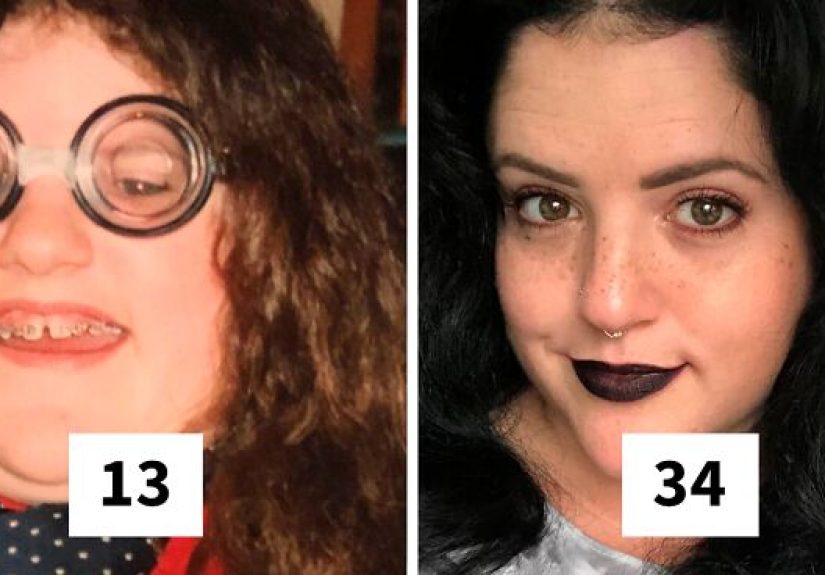
Braces. Bad bangs. Acne that arrived like an uninvited roommate. Glasses that looked less “intellectual chic” and more “borrowed from a retired accountant.” A school photo where the lighting, posture, haircut, and emotional energy all seemed to be working for the enemy. The “ugly duckling” phase is not always about actually being unattractive. Often, it is about growing up before you have the tools, freedom, confidence, or money to present yourself the way you want.
Today, transformation stories are everywhere: Reddit threads, TikTok glow-up videos, Instagram reels, celebrity throwbacks, fitness journeys, skincare progress photos, style makeovers, and heartfelt essays from people who once felt invisible. The best ones are not just about becoming “pretty.” They are about becoming recognizable to yourself.
What Does “Ugly Duckling Transformation” Really Mean?
The phrase “ugly duckling” comes from the classic story of a little bird who was mocked for looking different, only to grow into a swan. In modern internet language, it usually means someone who went through a dramatic physical, emotional, or social transformation after an awkward childhood or teenage phase.
But the most interesting glow-ups are rarely just physical. A haircut helps. Better clothes help. Clearer skin helps. Learning how to stand up straight instead of folding yourself like a sad lawn chair absolutely helps. Yet the real transformation usually comes from a combination of maturity, self-care, emotional healing, environment, and confidence.
Many people who share their before-and-after photos online describe the same pattern: they were teased for their appearance, felt out of place, struggled with self-esteem, and assumed they would always be the “weird-looking” one. Years later, after growing into their features, learning personal style, improving health habits, or simply leaving a cruel social environment, they lookedand feltcompletely different.
Why We Love Transformation Stories So Much
They Give Us Hope
A transformation story says, “This is not the final draft.” That is powerful, especially for anyone currently trapped in an awkward chapter. When people see someone go from insecure teen to confident adult, it creates a small but meaningful reminder that growth is real. Your middle school yearbook photo is not a legal contract.
For teenagers and young adults, this matters. Research and health experts consistently point out that body image and self-esteem can affect mental health, confidence, relationships, and daily choices. People who feel badly about their appearance may withdraw socially, compare themselves constantly, or believe they are less worthy of attention and kindness. That is a heavy emotional backpack to carry, especially during school years when everyone seems to be judging everyone else with Olympic-level dedication.
They Expose How Unfair First Impressions Can Be
Many “ugly duckling” stories reveal something uncomfortable: people often treat others differently based on appearance. Someone who was ignored in high school may suddenly receive compliments, romantic interest, job confidence, or social attention after a transformation. That can feel validating, but also strange. Some people describe it as flattering and painful at the same time.
The glow-up may change how others respond, but it can also make people question why kindness was conditional in the first place. A person should not need perfect hair, clear skin, a sharper jawline, or fashionable clothes to be treated with respect. And yet, many transformation stories show how appearance-based bias quietly shapes daily life.
The Most Common Types of “Ugly Duckling” Glow-Ups
1. The Puberty Plot Twist
Some people simply grow into their features. A nose that once felt “too big” becomes striking. A round face becomes more defined. A lanky frame fills out. Baby fat shifts. Hair texture changes. The teenage face is basically a construction zone with emotions, and the final architecture often arrives later than expected.
This is why so many transformation stories include captions like, “I was bullied for my face, and now people ask if I model.” Puberty is unpredictable. It has the timing of a chaotic wizard. For some, it arrives early and loudly. For others, it waits until college, then shows up with cheekbones and a better metabolism.
2. The Style Awakening
Style can completely change how someone is perceived. The right haircut, glasses, colors, clothing fit, grooming habits, and posture can turn “I just woke up in a laundry basket” into “I have a personality and possibly a favorite coffee order.”
Many former ugly ducklings say their transformation began when they stopped dressing to hide. Oversized hoodies, messy hair, and random outfits were often armor. Later, experimenting with fashion became a way to express identity. A person might discover vintage denim, bold lipstick, tailored jackets, natural curls, minimalist outfits, streetwear, or soft cottagecore looks. The point is not following trends perfectly. The point is finally asking, “What feels like me?”
3. The Skincare and Health Glow-Up
Acne, skin texture, dental issues, allergies, sleep problems, and stress can all affect how someone looks and feels. Many transformation stories involve finally seeing a dermatologist, getting braces removed, treating a health condition, learning to sleep better, drinking more water, or building a sustainable fitness routine.
Of course, this is where the internet can get tricky. Healthy self-care is one thing. Obsessive “fix everything about your face by Tuesday” content is another. Experts have warned that social media can increase body dissatisfaction when people compare themselves with filtered, edited, or surgically enhanced images. The healthiest glow-ups focus on well-being, not punishment. You are a person, not a renovation project with Wi-Fi.
4. The Confidence Transformation
Sometimes the biggest difference between the “before” and “after” photo is not bone structure. It is the eyes. The shoulders. The smile. The way someone holds space instead of apologizing for taking up oxygen.
Confidence changes appearance because it changes behavior. Confident people make eye contact, choose clothes intentionally, laugh more freely, and stop shrinking themselves. They do not necessarily become flawless. They become present. That is often what makes the after photo so powerful: the person finally looks like they believe they belong in the picture.
Realistic Examples of Ugly Duckling Transformations
The Quiet Kid Who Became the Main Character
One common transformation story comes from people who were shy, bookish, and socially invisible in school. They were not necessarily treated cruelly, but they were overlooked. After graduation, they found new friends, tried new hairstyles, learned makeup or grooming, joined clubs, worked out, or moved to a city where being “different” was no longer a social crime. Suddenly, the quiet kid became interesting, stylish, and magnetic.
This kind of glow-up is less about becoming someone else and more about finally being seen in the right environment. A cactus looks awkward in a swamp. Put it in the desert and suddenly it is thriving.
The Bullied Teen Who Built a Strong Sense of Self
Many people who share transformation photos also share painful memories of being mocked for weight, acne, teeth, hair, height, or clothes. Years later, they may look dramatically different, but the emotional transformation matters most. They learn boundaries. They stop chasing approval from people committed to misunderstanding them. They build friendships based on humor, loyalty, creativity, and shared values.
These stories often hit the hardest because the “after” is not just a new appearance. It is proof of survival. The person did not become worthy after changing. They were always worthy. The transformation simply helped them recognize it.
The Late Bloomer Who Needed Time
Late bloomers are the unofficial champions of ugly duckling transformations. While some classmates seemed camera-ready at sixteen, late bloomers were still negotiating with their eyebrows and trying to understand why every haircut looked like a group project gone wrong.
Then adulthood arrived. They found better haircuts, better food habits, better glasses, better friends, and better self-talk. Their face matured. Their body settled. Their personality became less guarded. What looked like “falling behind” was actually just a slower timeline.
The Social Media Side of Glow-Up Culture
Online transformation posts can be inspiring, but they can also create pressure. Platforms are full of dramatic before-and-after images, and some are edited, staged, filtered, or framed with perfect lighting. It is easy to forget that nobody posts the boring middle: the failed haircut, the awkward gym attempts, the skincare purge, the emotional spiral in a dressing room under fluorescent lighting.
Recent surveys and health research show that many teens feel pressure to look good, and social media can affect confidence, sleep, body image, and mental health. This does not mean every glow-up video is harmful. Many are joyful and motivating. But the best way to consume transformation content is with a healthy filter in your brain, not just on your phone.
A good transformation post should make you feel encouraged, not defective. If content leaves you feeling like your face is a problem to solve, your body is a mistake, or your life must be redesigned for public approval, it may be time to step away. The goal is not to become unrecognizable to others. The goal is to become comfortable to yourself.
What People Often Learn After Their Transformation
Attention Is Not the Same as Love
One surprising lesson many former ugly ducklings mention is that attention can feel exciting but shallow. Compliments are nice. Being noticed is fun. But if someone only values you after your appearance changes, that says more about their character than your worth.
Some people feel angry after a transformation because they realize how differently they are treated. Others feel empowered because they now understand that external validation is unstable. Either way, the glow-up teaches them to look for people who liked their humor, kindness, ambition, and weird little hobbies before the cheekbones entered the chat.
Confidence Has to Be Practiced
Looking different does not automatically erase old insecurities. A person can receive compliments and still feel like the awkward kid inside. That is why emotional work matters. Confidence is not a magic prize handed out after clear skin and better clothes. It is a habit built through self-respect, positive relationships, skill-building, and realistic self-talk.
Many transformed adults say they still have moments of insecurity. The difference is that they no longer let those moments run the entire show. They can notice a bad photo without declaring a national emergency.
Kindness Ages Better Than Hotness
Here is the truth nobody prints on beauty ads: looks change. They always have. They always will. Confidence, humor, curiosity, generosity, and emotional intelligence are what make a person memorable long after the first impression.
The most beloved transformation stories are not about someone becoming conventionally attractive and smug. They are about someone becoming kinder to themselves. They stop insulting the old version of who they were. They look back and realize that awkward kid was doing their best with the tools they had.
How to Start Your Own Healthy Glow-Up
Upgrade Your Habits, Not Your Self-Hatred
A healthy glow-up begins with care, not cruelty. Instead of saying, “I hate how I look, so I need to change,” try, “I deserve to feel comfortable, strong, and expressive.” That shift matters. Shame may start a transformation, but it rarely creates lasting confidence.
Begin with basics: sleep, hydration, movement, dental care, skincare, clean clothes that fit, and a haircut that does not actively betray you. These may sound simple, but simple is powerful. A person who sleeps better, moves regularly, and wears clothes they like can look dramatically more alive. Revolutionary? No. Effective? Absolutely.
Find a Style That Matches Your Personality
Personal style is not about copying influencers item by item. It is about learning what makes you feel like yourself. Save outfit inspiration, but look for patterns. Do you like clean lines? Bold colors? Soft textures? Vintage pieces? Sporty looks? Classic basics? Dramatic accessories? Build slowly. You do not need a new identity overnight; you need a closet that stops arguing with you.
Clean Up Your Digital Mirror
Your feed is a mirror you look into every day. If it constantly tells you that you are not thin enough, muscular enough, young enough, symmetrical enough, rich enough, or smooth-skinned enough, change the mirror. Follow people who show real skin, different body types, practical style, healthy fitness, comedy, art, books, hobbies, and life beyond appearance.
Reducing harmful comparison can improve the way people feel about themselves. Even a short break from appearance-heavy content can help some users reset their perspective. Your brain deserves better than a nonstop beauty contest judged by algorithms.
Why the “Before” Photo Deserves Respect
One problem with ugly duckling transformation culture is that the “before” photo often gets treated like a punchline. But that younger version was not a mistake. They were a person. They were learning. They were surviving bad advice, limited resources, confusing hormones, school pressure, family rules, and possibly a haircut chosen by someone who should have been stopped.
The before photo deserves compassion. Without that person, the after photo would not exist. The awkward kid carried you here. They took the teasing, the loneliness, the bad outfits, the weird phases, and the uncertainty. They deserve a thank-you, not an insult.
Experiences Related to Ugly Duckling Transformations
People who used to be “ugly ducklings” often describe their transformation as a series of small, ordinary decisions rather than one cinematic makeover scene. There is usually no dramatic staircase entrance with wind machines and a pop song. More often, it starts with someone getting tired of feeling uncomfortable in their own life. They try a new haircut. They learn how to dress for their body instead of against it. They stop buying clothes only because they are on sale and start asking whether they actually feel good wearing them. They begin walking with their shoulders back. They speak up a little more. They smile without covering their mouth. Tiny changes collect like coins in a jar, and one day the difference is impossible to ignore.
Another common experience is the strange emotional whiplash of being treated differently. Former classmates who once ignored them suddenly send friendly messages. People who never noticed them now compliment their photos. Strangers become warmer. Dating becomes easier. Doors that once felt locked seem to open. While this can feel exciting, it can also be confusing. Many people wonder, “Was I really invisible before, or did people just refuse to see me?” That question can sting. A physical transformation may bring new confidence, but it can also reveal how shallow social judgment can be.
Some people also talk about needing time to mentally catch up with their appearance. Even after a major glow-up, they may still feel like the awkward kid in the old photo. Compliments may feel suspicious. Attention may feel unfamiliar. They may look in the mirror and see progress, but in social situations, old insecurities still whisper. This is why the emotional side of transformation is so important. A new haircut can change a reflection, but self-trust changes the way someone moves through the world.
There are also transformations that have little to do with beauty standards. Someone may become more attractive because they are happier. They leave a toxic friend group. They recover from burnout. They find a hobby that lights them up. They stop trying to be liked by people who made them feel small. Their face relaxes. Their smile becomes real. Their energy changes. This kind of transformation cannot always be captured in a before-and-after photo, but people around them can feel it immediately.
For many former ugly ducklings, the best part is not being called beautiful, handsome, stylish, or unrecognizable. The best part is freedom. Freedom to take photos without panic. Freedom to walk into a room without assuming everyone is judging. Freedom to enjoy clothes, dating, friendships, fitness, skincare, or makeup without using them as weapons against themselves. The real glow-up is not revenge. It is peace.
Conclusion: The Best Transformations Are More Than Skin Deep
“People Who Used To Be ‘Ugly Ducklings’ Share Their Transformations, And We Can Barely Recognize Them” is more than a catchy title. It captures a universal truth: people change. Sometimes dramatically. Sometimes quietly. Sometimes in ways that make old classmates blink twice and ask, “Wait, is that really you?”
But the most meaningful transformation is not just becoming more attractive by social standards. It is becoming more confident, expressive, healthy, and self-accepting. It is learning that the awkward version of you was never worthless. They were simply unfinished, unsupported, or still growing into themselves.
Glow-ups are fun. Before-and-after photos are addictive. A good transformation can make the internet cheer. But the real victory is not being barely recognizable to others. It is finally recognizing yourselfand liking who you see.