Table of Contents >> Show >> Hide
- How Blood Coagulation Works Without the Lab Coat Lecture
- What Foods Help Blood Coagulate the Most?
- Do Foods Instantly Stop Bleeding?
- Who Might Need to Think More Carefully About Vitamin K?
- Best Foods to Include in a Clotting-Supportive Diet
- Foods That Don’t “Boost Clotting” the Way People Assume
- Can Supplements Help?
- When Food Isn’t Enough
- Final Thoughts: The Best Foods for Healthy Blood Clotting
- Real-Life Experiences and Practical Lessons About Foods That Help Blood Coagulate
If you have ever stared at a cut and thought, “Okay body, now would be a great time to do your thing,” you were basically cheering on coagulation. Blood clotting is one of your body’s most important emergency repair systems. It helps stop bleeding after an injury, protects you from major blood loss, and keeps the plumbing of life from springing leaks every time you nick your finger opening a suspiciously aggressive package.
So, what foods help blood coagulate? The short answer is: foods rich in vitamin K support normal blood clotting. That does not mean food acts like a magic off-switch for serious bleeding. It means your body needs vitamin K to make certain clotting proteins work the way they should. Without enough of it, clotting can take longer and bruising or bleeding may become more likely.
Still, there is an important plot twist. If you take warfarin or another anticoagulant that interacts with vitamin K, suddenly loading up on kale smoothies and heroic spinach salads is not a great idea. In that case, the goal is consistency, not chaos. Your body loves balance, and so does your healthcare provider.
Let’s break down which foods matter most, how they work, and how to eat in a way that supports healthy coagulation without turning dinner into a chemistry exam.
How Blood Coagulation Works Without the Lab Coat Lecture
Blood clotting is a carefully coordinated process. When you get injured, your body sends platelets to the scene, activates clotting factors, and forms a clot to slow or stop the bleeding. Vitamin K is part of that process because it helps your body make several proteins involved in clot formation.
That is why vitamin K often comes up in conversations about bleeding, bruising, and certain medications. If your intake is too low, or if your body cannot absorb it properly, clotting may not work as efficiently. On the other hand, if you are taking warfarin, a sudden jump in vitamin K intake can make that medicine less effective.
In other words, blood coagulation is about supporting normal function, not trying to “supercharge” your blood into forming clots whenever it feels dramatic.
What Foods Help Blood Coagulate the Most?
The foods most closely linked to healthy clotting are the ones highest in vitamin K. These usually fall into one very green, very leafy, very “your grandmother was right” category.
1. Dark Leafy Greens
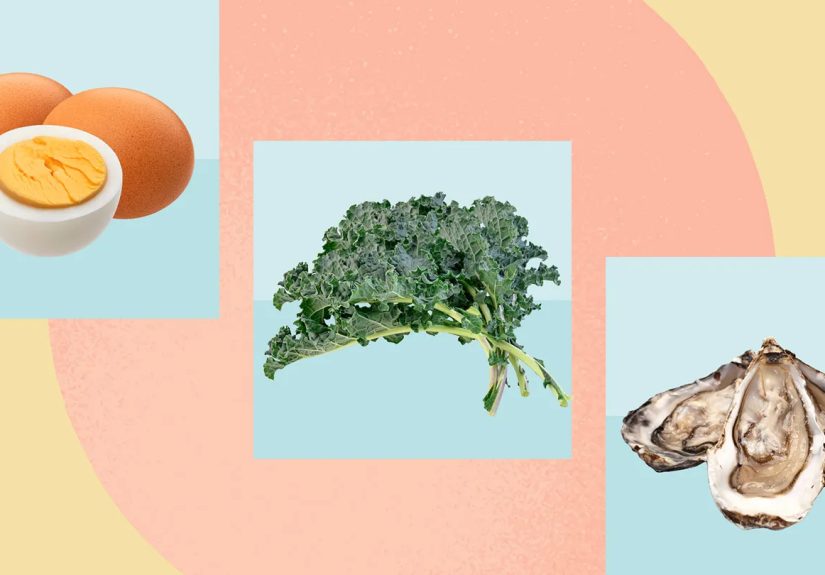
If foods had a clotting support hall of fame, leafy greens would get the front row seats. They are among the richest natural sources of vitamin K.
- Kale
- Spinach
- Collard greens
- Turnip greens
- Mustard greens
- Swiss chard
- Romaine lettuce
- Green leaf lettuce
- Parsley
These foods can support normal clotting because they provide the vitamin K your liver uses to help make clotting proteins. You do not need to eat an entire garden in one sitting. Even regular servings spread throughout the week can help maintain a steady intake.
2. Cruciferous Vegetables
Cruciferous vegetables may sound like a group that tours with medieval armor, but they are really just another useful source of vitamin K.
- Broccoli
- Brussels sprouts
- Cabbage
- Cauliflower
Broccoli and Brussels sprouts, in particular, often show up on lists of foods high in vitamin K. They also bring fiber and other nutrients to the table, which is nice because your body appreciates multitaskers.
3. Herbs and Salad Greens
Small foods can still make a nutritional impact. Herbs and salad greens may not look dramatic, but they can contribute meaningful vitamin K, especially when eaten often.
- Parsley
- Mixed salad greens
- Romaine
- Leaf lettuce
If your meals tend to be beige and carb-forward, adding a salad or fresh herbs can be a simple way to improve vitamin K intake without reinventing your entire personality.
4. Plant Oils
This one surprises a lot of people. Certain oils also contain vitamin K, especially:
- Soybean oil
- Canola oil
These oils are common in dressings, marinades, and packaged foods, so they can quietly contribute to your vitamin K intake. That matters even more if you take warfarin, because your vitamin K intake is not only coming from obvious foods like spinach.
5. Some Animal and Fermented Foods
Animal foods generally contain less vitamin K than leafy vegetables, but some still contribute small to moderate amounts. Certain fermented foods may also contain vitamin K2, another form of vitamin K.
- Egg yolks
- Cheese
- Yogurt
- Liver
- Sauerkraut
These foods are not usually the main stars of a vitamin K-rich diet, but they can add background support. Think of them as the supporting cast, not the headliner.
Do Foods Instantly Stop Bleeding?
No. And this is an important distinction.
If you are actively bleeding, food is not emergency treatment. Eating broccoli will not suddenly make a nosebleed vanish, and a spinach omelet is not the medical equivalent of a superhero cape. Foods that help blood coagulate are about supporting your body’s normal clotting ability over time, especially if your diet has been low in vitamin K or if your provider has identified a deficiency or inconsistency.
If you have severe bleeding, black or bloody stool, vomiting blood, dizziness, weakness, or bleeding that will not stop with pressure, that is not a “let me meal-prep about it” situation. That is a “get medical help now” situation.
Who Might Need to Think More Carefully About Vitamin K?
People Taking Warfarin
This is the biggest caution flag in the room.
Warfarin works by interfering with vitamin K’s role in clotting. So, if you suddenly start eating way more vitamin K-rich foods than usual, the medication may not work as intended. That can change your INR and affect your risk of clotting or bleeding.
The goal is usually not to avoid vitamin K foods completely. The goal is to eat a consistent amount from day to day and week to week. If you normally eat a salad every day, that may be perfectly fine. If you normally never eat greens and then decide to become one with kale overnight, that is where trouble can start.
People With Malabsorption Issues
Vitamin K deficiency is uncommon, but it can happen in people whose bodies do not absorb fat well. Since vitamin K is fat-soluble, certain digestive or absorption problems can get in the way. Some people after bariatric surgery, people with certain bowel disorders, or those on long-term antibiotics may also have a harder time maintaining normal vitamin K levels.
People With Unexplained Bruising or Bleeding
Easy bruising, frequent nosebleeds, bleeding gums, or heavy menstrual bleeding can have many causes. Diet may be one piece of the puzzle, but not always the main piece. Problems involving platelets, clotting factors, liver disease, medications, or underlying bleeding disorders can also be involved. So yes, food matters, but food is not the whole detective story.
Best Foods to Include in a Clotting-Supportive Diet
If you want to support healthy coagulation through everyday eating, focus on steady, realistic meals. Here are practical examples:
Breakfast Ideas
- Scrambled eggs with sautéed spinach
- Avocado toast with chopped parsley
- A vegetable omelet with broccoli and greens
Lunch Ideas
- Romaine salad with grilled chicken and cabbage slaw
- Turkey wrap with leafy greens
- Lentil soup with a side salad
Dinner Ideas
- Salmon with roasted Brussels sprouts
- Chicken stir-fry with broccoli and cabbage
- Rice bowl with sautéed kale and a soft-boiled egg
Smart Add-Ons
- Use canola or soybean oil in cooking when appropriate
- Add parsley to soups, sauces, and grain bowls
- Keep salad greens in regular rotation instead of eating them once every lunar eclipse
Foods That Don’t “Boost Clotting” the Way People Assume
The internet loves a dramatic nutrition claim, but many foods are wrongly advertised as quick ways to thicken blood or stop bleeding. In reality, there is no everyday food that safely and instantly forces clotting in a healthy person. Vitamin K-rich foods support normal function, but that is very different from treating a medical emergency or correcting a serious clotting disorder on your own.
Also, do not confuse healthy coagulation with the idea that “more clotting is always better.” It is not. Too little clotting can lead to bleeding problems. Too much clotting can raise the risk of dangerous blood clots. The goal is balance.
Can Supplements Help?
Sometimes a healthcare provider may recommend vitamin K supplements, especially in specific medical situations. But supplements are not something to start casually if you take blood thinners or have unexplained bleeding. They can interact with medications and change lab results.
Food is often the safer first conversation because it supports overall nutrition and is less likely to cause sudden swings when eaten consistently. Still, if your provider is concerned about deficiency, they may suggest testing, medication review, or treatment beyond diet.
When Food Isn’t Enough
Let’s be very clear: food helps support health, but it does not replace medical care.
Talk to a clinician promptly if you have:
- Frequent unexplained bruising
- Nosebleeds that are hard to stop
- Bleeding gums without a clear dental reason
- Very heavy periods
- Blood in urine or stool
- Black, tarry stool
- Vomiting blood
- Bleeding after injury that does not stop
- Dizziness, weakness, or paleness along with bleeding
Those symptoms can signal something bigger than low vitamin K intake. Sometimes the issue is medication, sometimes it is a bleeding disorder, and sometimes it is an emergency.
Final Thoughts: The Best Foods for Healthy Blood Clotting
If you are wondering what foods help blood coagulate, the best evidence-based answer is simple: foods rich in vitamin K help support normal blood clotting. Dark leafy greens lead the pack, followed by vegetables like broccoli, Brussels sprouts, and cabbage, plus some oils and smaller contributions from eggs, dairy, and fermented foods.
For most people, the smartest approach is not an extreme one. Eat a balanced diet, include vitamin K-rich foods regularly, and avoid huge swings in intake if you take warfarin. If you have unusual bleeding, easy bruising, or questions about medication interactions, let your healthcare provider guide the plan.
Because when it comes to coagulation, your body does not need drama. It needs nutrients, consistency, and maybe a little less internet nonsense.
Real-Life Experiences and Practical Lessons About Foods That Help Blood Coagulate
In real life, people usually do not start thinking about blood clotting because they woke up excited about vitamin K. It is often the result of an experience: a surgery coming up, a new warfarin prescription, easy bruising that suddenly seems impossible to ignore, or a lab test that sends them into a mild but very understandable internet spiral.
One common experience is the person who starts a “healthy eating” plan and unknowingly changes their vitamin K intake overnight. Maybe they go from eating almost no vegetables to having green smoothies every morning, giant kale salads at lunch, and roasted broccoli at dinner. On paper, that sounds like nutritional growth. In practice, for someone on warfarin, it can throw off the careful balance their medication depends on. The lesson many people learn is not that leafy greens are bad. It is that consistency matters more than sudden enthusiasm.
Another experience comes from people who bruise easily and assume they just have “sensitive skin” or are mysteriously bumping into furniture they never actually saw. Sometimes the cause is harmless. Sometimes it is related to medication. Sometimes it prompts a conversation about nutrition, absorption issues, or a medical condition that needs attention. What people often say afterward is that they wish they had taken persistent symptoms more seriously instead of shrugging them off for months.
Caregivers also learn this lesson fast. A family member may be told to eat more regularly, keep meals predictable, and stop treating nutrition advice like optional side quests. Suddenly grocery shopping becomes strategic. Romaine, broccoli, cabbage, eggs, and simple home-cooked meals start showing up more often. Not because anyone is trying to create superhero blood, but because normal body function depends on a steady foundation.
There is also the very human experience of confusion. People hear that vitamin K helps clotting, then hear that blood clots are dangerous, and understandably wonder whether they should avoid it forever. The answer is usually no. Your body needs vitamin K. The trick is matching your diet to your medical situation. For most healthy people, eating vitamin K-rich foods is part of a normal balanced diet. For people on warfarin, the issue is not whether to eat them at all, but how to keep intake stable.
Perhaps the biggest takeaway from real-world experience is that food works best as part of a bigger picture. People tend to do better when they track patterns, ask questions, read medication instructions carefully, and tell their healthcare provider before making big diet changes. Small habits matter: similar portions week to week, realistic meals instead of dramatic health kicks, and getting checked when symptoms are unusual.
That may not sound flashy, but it is often what helps most. Real health is rarely built on one miracle food. It is built on steady habits, useful information, and knowing when a salad is enough and when a doctor should be in the conversation.