Table of Contents >> Show >> Hide
- Why shoes start to smell in the first place
- Before you start: quick “is this more than odor?” check
- 11 Ways to freshen smelly shoes
- 1) Air them out aggressively (a.k.a. “Let your shoes breathe”)
- 2) Rotate shoes (give each pair a “rest day”)
- 3) Wash feet properlyand dry between your toes like it’s your job
- 4) Upgrade your socks (and use them strategically)
- 5) Use antiperspirant on feet (not deodorant)yes, really
- 6) Clean (or replace) insoles and lacesthe stink hotspot
- 7) Baking soda overnight (the classic shoe deodorizer)
- 8) Activated charcoal or cedar inserts (odor “sponges”)
- 9) Disinfect the inside with rubbing alcohol (fast, effective, low drama)
- 10) Try a diluted vinegar wipe or spray (for stubborn funk)
- 11) Wash what’s washable (and air-dry like a patient adult)
- Prevention: keep shoes fresh longer (so you’re not fighting the same battle weekly)
- When to replace shoes (or get help)
- Conclusion
- Experiences from the real world: what actually works (and what people learn the hard way)
Smelly shoes are basically a tiny biology experiment you didn’t sign up for. The bad news: warm, dark footwear is an all-you-can-eat buffet for odor-causing microbes. The good news: you can shut the buffet downusually with stuff you already have at home.
This guide walks you through 11 practical ways to deodorize shoes, plus smart prevention so you’re not stuck in a never-ending cycle of “spray, pray, repeat.” Expect real-world examples (gym sneakers, work boots, kids’ cleats), quick how-tos, and a few gentle jokesbecause if we can’t laugh at shoe stink, what can we laugh at?
Why shoes start to smell in the first place
Shoes don’t stink because they hate you personally (probably). Most odor is caused by a combo of:
- Sweat (feet have lots of sweat glands, and sweaty shoes dry slowly).
- Bacteria and fungi that thrive in warm, moist, low-light environments.
- Trapped moisture from rain, puddles, humid weather, or post-workout feet.
- Old insoles and buildup (skin cells + sweat residue = “welcome mat” for stink).
So the goal is simple: reduce moisture, lower microbial growth, and remove the stuff odor sticks to.
Before you start: quick “is this more than odor?” check
Sometimes, the problem isn’t the shoesit’s what’s happening on your skin. If you also have itching, peeling, burning, redness, cracks between toes, or recurring odor that returns immediately after cleaning, you could be dealing with athlete’s foot or another infection. In that case, shoe cleaning helps, but you may also need proper skin treatment. If you have diabetes, immune issues, open sores, or worsening symptoms, it’s smart to talk to a clinician.
11 Ways to freshen smelly shoes
1) Air them out aggressively (a.k.a. “Let your shoes breathe”)
If shoes stay damp, odor keeps winning. The fastest improvement often comes from simply drying them correctly.
- Remove insoles and loosen laces so air can circulate.
- Point a fan at the shoes for 2–6 hours (overnight is even better).
- Stuff shoes with newspaper or paper towels to wick moistureswap when damp.
- For boots, consider cedar shoe trees or boot shapers to help them dry and keep shape.
Example: If your running shoes smell like a locker room in July, it’s often because you wore them, tossed them in a closet, and trapped sweat for 24 hours. A fan and removed insoles can cut odor dramatically by the next day.
2) Rotate shoes (give each pair a “rest day”)
Wearing the same pair daily doesn’t allow enough drying timeespecially with athletic shoes and work boots. Try rotating at least two pairs so each gets 24 hours to dry.
Quick win: Keep one “high-sweat” pair (gym/errands) and one “low-sweat” pair (office/casual). Your nose will notice the difference.
3) Wash feet properlyand dry between your toes like it’s your job
Shoe odor management starts at the source. Wash feet daily with soap, scrub lightly (don’t forget between toes), and dry thoroughly. Moist skin + trapped sweat = odor’s favorite environment.
- After showering, towel-dry carefully between toes.
- If you’re prone to sweaty feet, keep a spare pair of socks at work or in your gym bag.
- Trim toenails and clean around thembuildup can contribute to odor.
Example: If you commute in sneakers and change into dress shoes at the office, wash and dry your feet at night, then swap into fresh socks in the morning. That alone can reduce “end of day shoe funk” a lot.
4) Upgrade your socks (and use them strategically)
Thin, non-breathable socks can trap sweat like plastic wrap. Better options:
- Moisture-wicking blends (merino wool or performance synthetics) for workouts.
- Breathable cotton blends for casual wear (if you’re not very sweaty).
- Change socks mid-day if your feet get damp.
Pro tip: If your shoes smell worse after you “just wore them to the store,” you may sweat more than you think. Socks are a low-cost odor shield.
5) Use antiperspirant on feet (not deodorant)yes, really
Deodorant masks odor. Antiperspirant reduces sweating, which can cut odor at the source. Many dermatology tips for hyperhidrosis emphasize antiperspirants because less sweat means less microbial activity.
- Apply antiperspirant to clean, dry feet at night.
- Do it nightly for several days, then maintain 1–2 times per week if needed.
- Avoid applying to broken or irritated skin.
Example: If your work boots are the main offenders, foot antiperspirant + boot rotation is a powerful combo.
6) Clean (or replace) insoles and lacesthe stink hotspot
Insoles absorb sweat and become odor “storage units.” If you only clean the shoe shell, odor may return fast.
- Wash removable insoles by hand with mild soap, rinse, and air dry completely.
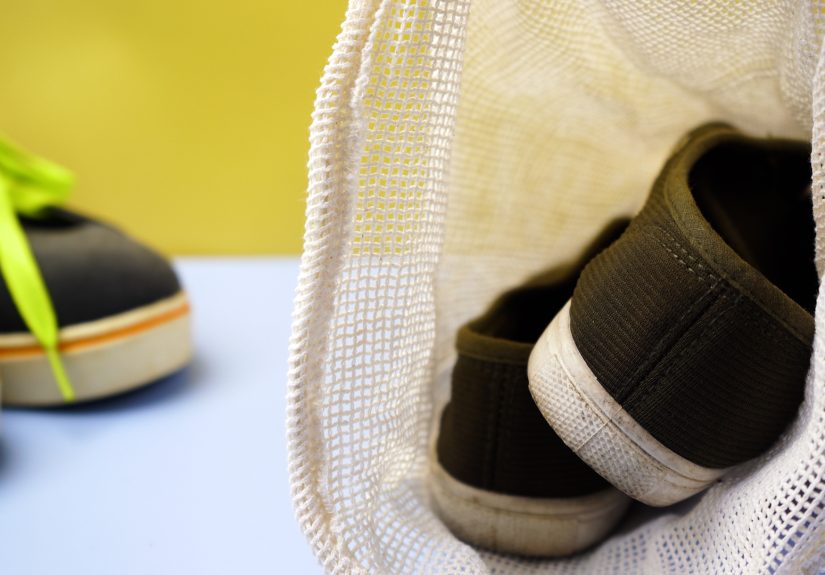
- Wash laces (they hold sweat too) in a mesh bag or by hand.
- Replace old insoles if they’re permanently funky, warped, or peeling.
- Consider odor-absorbing insoles (some include charcoal).
Reality check: If the insoles smell like a science fair project, the rest of your cleaning won’t stick.
7) Baking soda overnight (the classic shoe deodorizer)
Baking soda is popular for a reason: it helps absorb moisture and neutralize odors. It’s especially effective for everyday sneaker odor.
- Sprinkle 1–2 tablespoons inside each shoe (or put it in a coffee filter/sachet).
- Let sit overnight (8–12 hours).
- Dump it out and wipe the interior with a dry cloth.
Example: Gym shoes that smell fine in the morning and awful at night often respond well to a baking soda routine twice a week.
8) Activated charcoal or cedar inserts (odor “sponges”)
Activated charcoal and cedar products don’t just cover odorthey can help absorb moisture and smells. These are great for shoes you can’t easily wash, like leather loafers or suede sneakers.
- Place charcoal pouches or cedar sachets in shoes overnight.
- Use after rainy days or heavy sweat days.
- Replace or “recharge” as directed (some charcoal products can be refreshed in sunlight).
Example: If your dress shoes get a little “office funk,” charcoal inserts can keep them fresh without risking water damage.
9) Disinfect the inside with rubbing alcohol (fast, effective, low drama)
Odor comes from microbes, so disinfecting can help. A light mist of rubbing alcohol (commonly 70% isopropyl) can reduce odor by lowering bacterial load.
- Test a small spot first, especially on dyed interiors.
- Lightly mist the inside (don’t soak).
- Air dry completely in a ventilated area.
Example: If your shoes smell worst after hot commutes, a quick alcohol spritz + fan dry at night can be a game-changer.
10) Try a diluted vinegar wipe or spray (for stubborn funk)
Vinegar is often used as a home remedy because it can make the environment less friendly for odor-causing microbes. It’s best for washable sneakers, sandals, and some athletic shoe interiors.
- Mix 1 part white vinegar with 2 parts water (or similar mild dilution).
- Lightly wipe or mist the interior.
- Let shoes air dry fully (fan helps).
Don’t use on delicate materials without testing first, and avoid if you have cuts or irritated skin if you’re doing foot soaks. If vinegar irritates your skin or damages the shoe finish, stop.
11) Wash what’s washable (and air-dry like a patient adult)
Some shoesespecially athletic sneakerscan handle washing, which helps remove sweat residue that odor clings to.
- Check the label or brand guidance. Many running shoes do okay with gentle cleaning; others don’t.
- Remove insoles and laces first.
- Use a gentle cycle with cold water and mild detergent.
- Skip the dryer (heat can warp glues and foam). Air-dry with a fan.
Example: Kids’ sports shoes that smell like they played three games in a swamp often need a full wash, not just deodorizing powder.
Prevention: keep shoes fresh longer (so you’re not fighting the same battle weekly)
- Alternate shoes (drying time matters).
- Don’t store damp shoes in closed binslet them air out first.
- Use foot powder or cornstarch if you sweat a lot (especially in summer).
- Choose breathable footwear when possible (mesh uppers can help).
- Wear the right socks and change them when damp.
- Replace insoles before they become permanent stink sponges.
When to replace shoes (or get help)
Sometimes the shoe is simply too far gone. Consider replacing if:
- The odor returns immediately after cleaning/drying.
- Insoles are crumbling, stained, or permanently smelly.
- The interior lining is damaged and holding onto odor.
Also consider professional or medical advice if you have persistent foot odor with skin changes (itching, scaling, cracks, blistering), or if you suspect a fungal infection that keeps coming back. Treating feet and shoes together is often the missing piece.
Conclusion
You don’t need to throw your shoes into a volcano (tempting, though). Most shoe odor improves when you focus on the basics: drying, rotating, cleaning insoles, and reducing sweat. Then add targeted deodorizers like baking soda or charcoal, and disinfect when needed. Think of it like home maintenancesmall routines beat big emergencies.
Experiences from the real world: what actually works (and what people learn the hard way)
To make this more practical, here are a few common “smelly shoe” situationsand what people typically discover after some trial and error. If any of these sound familiar, congratulations: you’re normal.
Experience #1: The gym-bag crime scene
You hit the gym, you’re feeling heroic, and then you do the one thing that betrays all heroes: you shove sweaty sneakers into a zippered bag. The next day, the bag smells like a locker room had a baby with a swamp. What usually works best here isn’t a fancy sprayit’s airflow. People who win this battle start by removing insoles immediately, letting shoes dry near a fan, and keeping the gym bag open to vent. A twice-a-week baking soda routine also helps. The lesson: odor loves sealed spaces, so don’t gift-wrap your sweat.
Experience #2: Work boots that “never really dry”
Work boots are tough… and so is the smell they can trap. A common turning point is realizing that one pair isn’t enough if you sweat a lot. Rotating boots (even every other day) makes a big difference. Many people also discover that antiperspirant for feet is not weirdit’s effective. Add charcoal inserts at night, and suddenly the boots stop smelling like they’ve been emotionally hurt.
Experience #3: Kids’ cleats that could peel paint
Kids’ sports shoes are basically moisture chambers: running + grass + sweat + “I forgot my socks.” Parents who get relief usually do three things: wash what’s washable, replace insoles more often than feels reasonable, and keep a strict “shoes must dry before they go in the closet” rule. For stubborn odor, a light disinfecting spritz (plus full dry time) often beats masking sprays. The big lesson: don’t fight biology with perfume.
Experience #4: The “nice shoes” dilemma
Dress shoes and leather loafers can get smelly, but you can’t just toss them in the washing machine and hope for the best. People tend to succeed with a gentler approach: rotate pairs, use charcoal or cedar inserts overnight, and keep feet dry with better socks. If odor persists, cleaning or replacing insoles is often the breakthroughbecause those insoles quietly stored every stressful workday your feet ever had.
Experience #5: The freezer experiment
Many folks try the freezer trick because it sounds dramatic (and because the internet loves drama). What people usually notice is that shoes may smell “better” brieflythen the odor returns once the shoes warm up and moisture returns. The real value of that experiment is the lesson it teaches: you can’t shortcut drying and cleaning. A fan, baking soda, and clean insoles beat a cold-storage stunt almost every time.
Bottom line from these experiences: If you remember nothing else, remember this: dry shoes thoroughly, rotate pairs, and don’t ignore insoles. That trio does most of the heavy liftingeverything else is just helpful backup.